Manufacturing Capabilities for OEM Streetwear Production
FORGEMFG specializes in OEM and ODM streetwear manufacturing in Dongguan, China, for custom hoodies, T-shirts, and jeans. We offer garment washing, screen and puff printing, embroidery, denim finishing, and special yarn and fabric treatments. In each process description, you will learn which garments suit the technique, what artwork or samples are needed to produce a custom design, what quality control is done for that technique, and how it affects minimum quantities and bulk production timeframes.
Why We Do Not Outsource Major Techniques
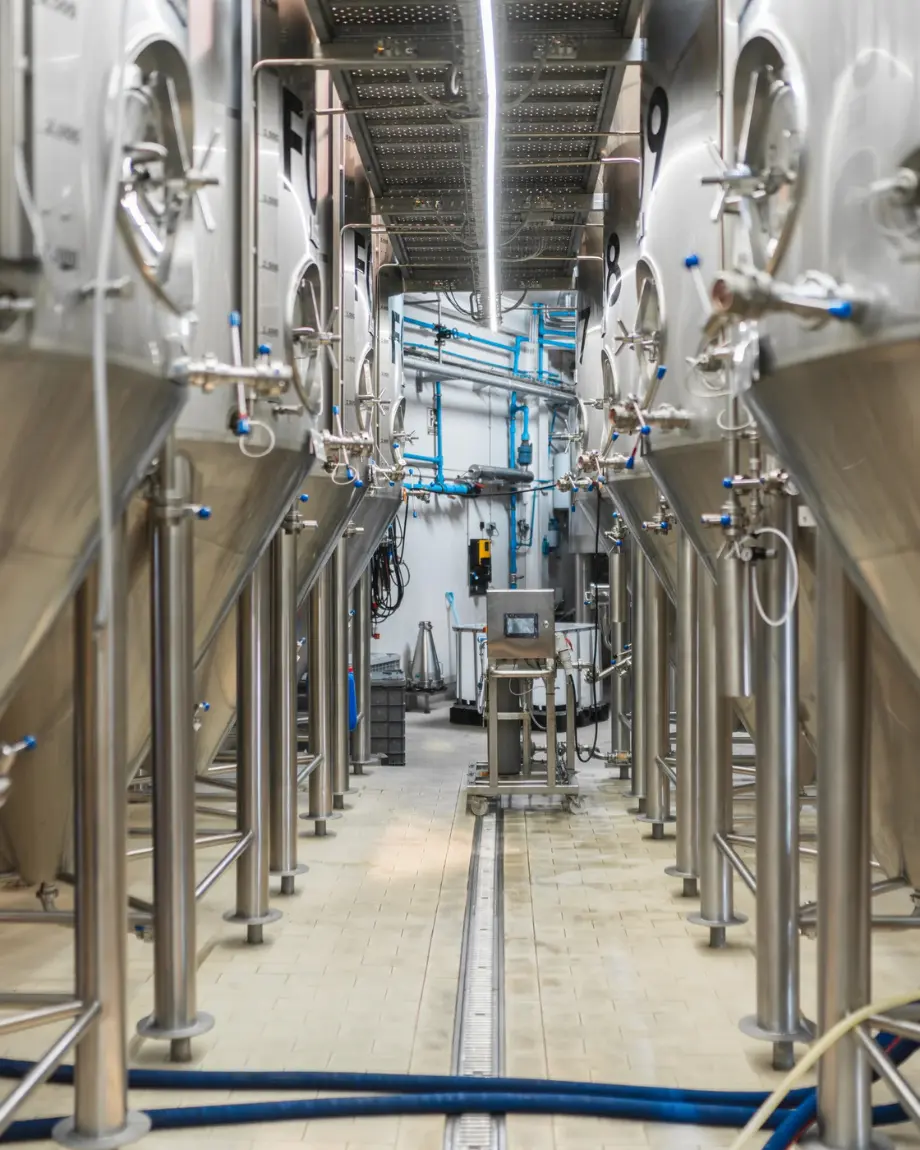
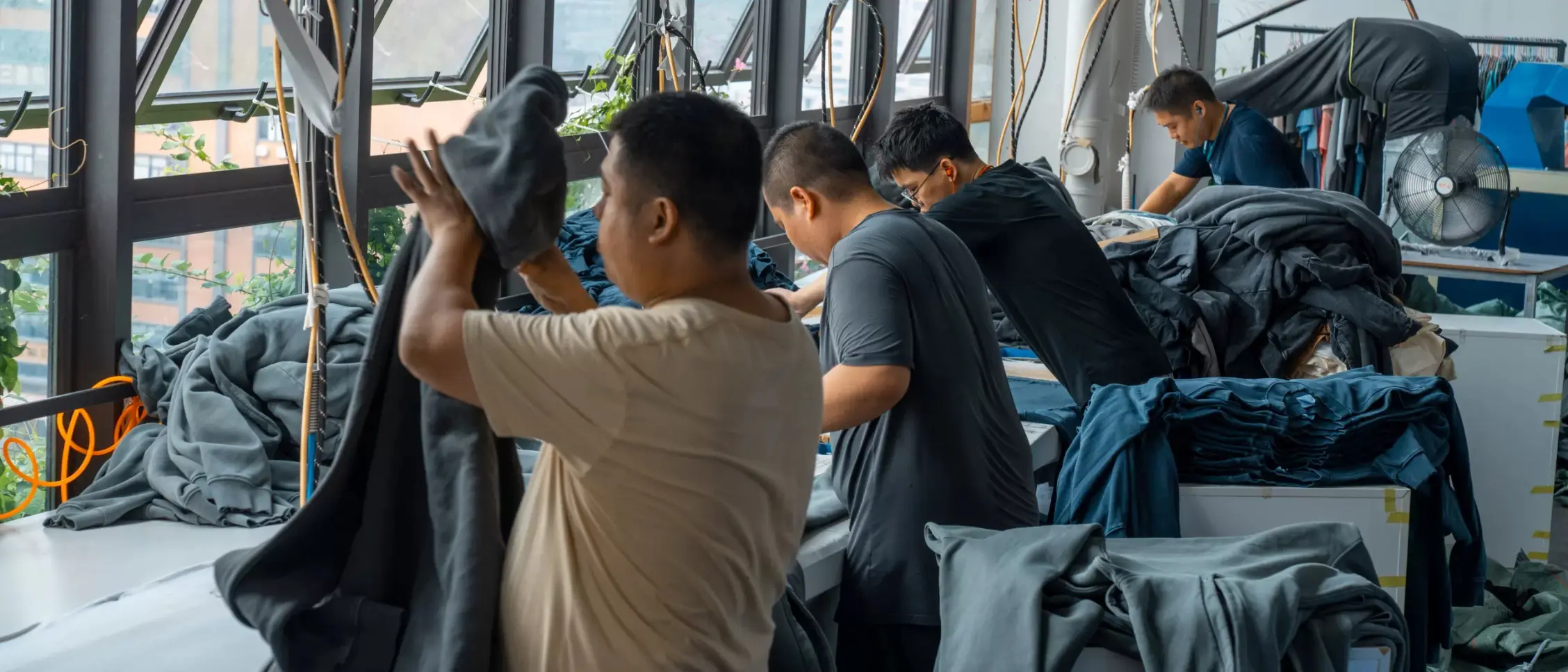
One floor, one QC standardDelegation of washing, printing, and embroidery to other subcontractors will complicate the production process because all suppliers have their own schedules, quality standards, and production techniques. Specifications can be understood differently when the garment passes through several different production facilities. The control and communication channels will be clearer when these major techniques are produced on FORGEMFG's production floor, and we always use the approved sample as a reference for bulk production.
In addition, when all these techniques are produced in one place, we can plan the production of styles requiring more than one treatment. For instance, when we produce an acid-washed hoodie with a puff-printed chest logo, the garment should be washed prior to applying the artwork. Washing chemicals, heat treatment, and tumbling can damage the print on the hoodie. Also, the dimensions and weight of the fabric can change during the washing process; therefore, confirming the print location on the post-wash garment is a better way to achieve an accurate result.
The same approach applies to fabric techniques. Heather slub yarn and jacquard patterns must be chosen prior to knitting, cutting and sewing of garments. Normally, embroidery, printing and decorative applications are made after production. Planning the order of actions helps to avoid unnecessary revisions of the sample and helps the final product meet approved specifications.
ISO 9001 and BSCI documentation are available for our verified buyers, and our quality management and social compliance systems are described for these departments. Also, it is necessary to check what kind of OEKO-TEX Standard 100 scope corresponds to the particular fabric, trims, and final products used in an order. Prior to shipping, the finished garments will be inspected based on the approved sample and agreed specifications. Quality checks related to specific techniques (for instance, washing shade, embroidery placement, print curing, and garment measurements) are done separately from general workmanship checks.
What Each Manufacturing Capability Covers
The short version, before you click throughEach of the three specialist guides below describes the finishing and fabric-technique capabilities which we offer. It explains how each capability can be used, what kinds of garments it is best suited for, what production prerequisites there are and what quality control steps need to be considered. For additional information on sampling, tech pack preparation, pricing and shipping, please refer to our service guides.
Garment Washing & Denim Finishing
Garment washing is the name for any treatment applied to a sewn garment. Examples are acid washing, snow washing and localized distressing. Raw and selvedge denim are related denim washing programs, although the distinctive feature of raw denim—fading through wear—is achieved without a factory washing stage. These finishing techniques are suitable for brands who have defined their garment style and fabric but require a faded, distressed or marbled look. Whenever possible, it is better to give us a reference sample or a visual standard. A general description like “medium acid wash” can be understood differently by different manufacturers. Washing affects the garment dimensions, fabric weight and feel. That is why it is recommended to measure the final product based on the post-wash sample, rather than only on pre-wash patterns.
Printing & Embellishment
Methods of garment decoration available include screen printing, puff printing, embroidery, direct-to-garment printing, direct-to-film printing and hot-fix rhinestone application. All of these are separate production techniques with their unique setup requirements, costs, fabric limitations, hand feel and durability characteristics. Screen printing is a relatively economical technique for larger order quantities. It provides high wash durability provided the ink is properly cured. DTG and DTF might be a good choice for smaller order volumes or designs with lots of colors because they do not require screens. Still, the appropriate method depends on the fabric composition, design, placement and finish. Embroidery and rhinestone applications will make your design look more dimensional or premium, with the pricing depending on stitch count or the number of stones used.
Yarn & Fabric Techniques
The heather slub yarn and jacquard fabric techniques are different from garment washing and printing because the visual effect is produced at the fabric level, before the garment is cut and sewn. Heather slub yarn produces the irregular texture effect thanks to yarn blending and weaving. The jacquard pattern is woven directly into the structure of knitted fabric rather than being printed on it. As these decisions are made before garment washing, printing or embroidery, they have to be made earlier than the other two.
| Capability | Common applications | What to provide | Planning note |
|---|---|---|---|
| Garment washing | Hoodies, T-shirts and denim | Physical reference or clear color and finish standard | Approve shade, shrinkage and hand-feel after washing |
| Screen & puff print | Logos and graphics on hoodies and T-shirts | Vector artwork, dimensions, placement and Pantone colors | Setup and curing depend on artwork and ink system |
| Embroidery | Logos and decorative details | High-resolution or vector artwork and finished dimensions | Cost and timing vary with stitch count and coverage |
| DTG printing | Detailed, multi-color garment prints | High-resolution artwork, size and placement | Fabric composition and pretreatment affect the result |
| DTF printing | Detailed transfers across compatible fabrics | High-resolution artwork, size and placement | Approve hand-feel, color and wash-test standard |
| Yarn & fabric techniques | Heather slub and jacquard fabric programs | Repeat artwork, yarn colors, scale and fabric specification | Confirm before cutting because development starts upstream |
Streetwear finishing and fabric techniques
Pick a category below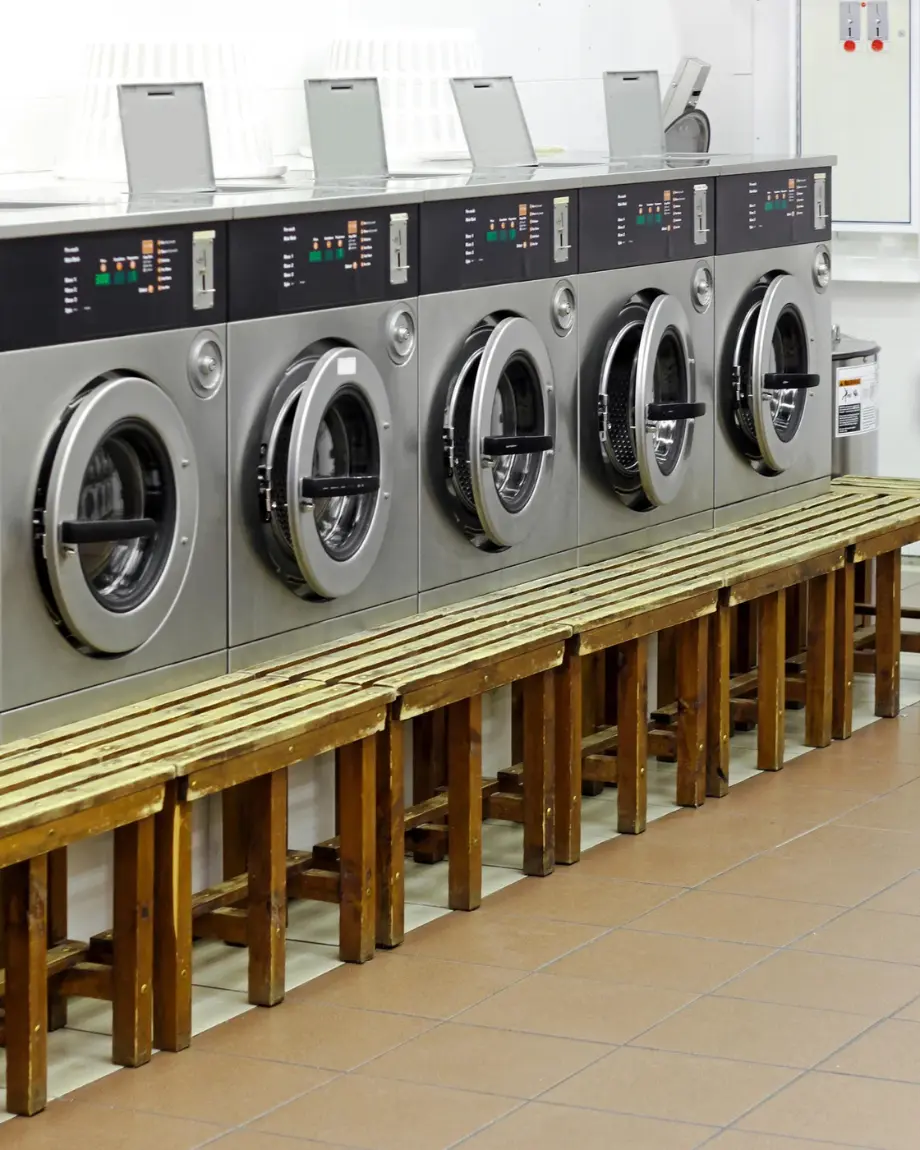
Garment Washing & Denim Finishing
Acid Wash / Snow Wash / Distressing / Selvedge Programs Explore →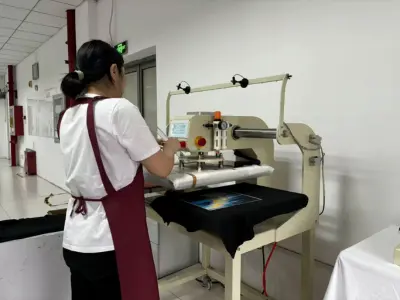
Printing & Embellishment
Screen / Puff / Embroidery / DTG / DTF / Hot-Fix Rhinestone Explore →
Yarn & Fabric Techniques
Heather Slub Yarn / Jacquard Explore →Sizing a fabric to a technique — weight, shrinkage, and how a fabrication takes a wash or a print — is covered separately in our fabrics & GSM guide.
Multiple Techniques on One Order
Most orders aren't just one processMost streetwear orders typically consist of multiple production techniques. A distressed hoodie will likely have chest embroidery or a puff-printed logo. Raw selvedge jeans will need hand-sanding of whiskers in the hip area without affecting the untreated look of the remaining fabric. Please provide us with all the techniques needed to produce the final garment in the tech pack or reference garment. The order of completion of these techniques can influence the sample timeline, measurements, durability and final hand feel of the garment.
Wash Before Print. For example, an acid-washed hoodie with a puff-printed chest logo should be washed before printing. The application of chemicals, heat and the washing process itself can crack or damage ink applied to the garment in advance. It may even result in distortion of the garment's measurements and fabric weight. Checking the print after the washing stage allows us to verify the size, alignment and positioning of the print on the garment.
Develop the Fabric Before Cutting. For example, a heather slub T-shirt with an embroidered logo will follow a different production process. Slub texture is achieved at the yarn/fabric development stage, and therefore it should be approved before cutting and sewing take place. Embroidery is done at a later stage on the garment that is ready for it. Changing the yarn treatment at the cutting stage may cause some already cut pieces to be incompatible with the new fabric.
Use Targeted Finishings for Raw Denim. Raw selvedge denim is meant to achieve natural fading through use, and thus it cannot go through a regular garment washing process. In case the approved design includes slight hand-sanding of the whiskers in certain areas, it will be done only in those places, leaving the rest of the fabric untreated.
While a physical reference helps to understand the look, weight and texture of the garment better, good photography is also useful in this regard. Particularly, close-up images and photos of the whole garment are important. After considering your tech pack, reference garment and needed techniques, we will be able to make the feasibility analysis and offer an appropriate sampling sequence.
Describing the Technique in Your Tech Pack
Vague callouts cost you a sample roundDescriptions like “vintage wash” or “light distressing” are vague. In order to reduce unnecessary sample revisions, it is better to identify the technique as precisely as possible and to add a physical reference, fabric swatch or photo whenever possible.
Depending on the process you are ordering, you will need to submit different types of files and technical details. Screen and puff print artwork should usually be submitted as a vector file. In case of precise color matching, use the Pantone number to name each color. It is also important to indicate the print size and its placement on the product.
For embroidery, you can either submit a high-resolution logo file that can be digitized or an embroidery file you have prepared. Also, mention the final size, placement, thread colors and desired stitch density. Larger and more complex embroidery designs usually take more stitches and therefore will be harder to sample and produce.
DTG and DTF artwork should be submitted as a high-resolution file of the required print size. Neither of them uses screen separation, yet these two techniques are different and can differ in terms of the fabric, texture, color, pretreatment, artwork details, and the required hand feel.
For jacquard, you will need to indicate a repeat pattern, selected yarn colors, pattern scale, and placement. As the design is created inside the fabric and not printed onto its surface, all these details have to be pre-approved before knitting, cutting, and sewing start.
In case some of the production details are missing from the tech pack, make sure to mention it in your request for a quotation. We can help define all the specifications that need to be reviewed and pre-approved prior to sampling and bulk production.
How a Technique Can Affect Lead Time
Sampling runs 7–15 days as a baselineStandard sampling is estimated at 7–15 business days after the specification has been pre-approved. Bulk production usually takes 25–35 days after sample approval. These times are estimates and not deadlines—actual lead time depends on fabric availability, order quantity, artwork, garment structure, and the complexity of the techniques used.
If washing is required, it will add approximately two to four days to the production lead time along with the sewing time. A simple snow wash will take less effort than a more complicated process of creating a multi-stage distressed design.
Screen and puff printing can be fast after screen preparation. Yet preparing the screens for new artwork can take one or two additional days. DTG and DTF do not need any screen preparation, yet fabric compatibility, color, placement, and hand feel still have to be checked separately.
Embroidery timing is dependent upon the stitch count and size of the design and the digitizing process. A smaller chest logo can normally be prepared faster than a larger, multicolored design embroidered across the back of a garment. Planning of jacquard and heather slub yarns will be done sooner since the yarn and/or fabric have to be made up to the approved specification before cutting.
The sampling and production ranges provided above are estimates. Once we know your fabric availability, order quantity, artwork, construction and finishing details, we'll be able to confirm the schedule. Please let us know your required warehouse delivery date when requesting a quotation.
Frequently Asked Questions
Capabilities, straight answersWhich manufacturing capabilities does FORGEMFG do in-house?
Do you outsource any production processes?
Can several techniques be done on one garment?
Is it applicable to all types of garments, including hoodies, T-shirts and jeans?
Where can I get information about fabric weights and GSM?
Is there a different MOQ for specialty processes like embroidery or jacquard?
How long does it take to make a technique sample?
Uncertain About the Most Suitable Technique?
Send your project details. We'll review the options.
Provide your tech pack, reference garment or design images and we will analyze the structure of the garment, fabric and proposed finish to suggest the best techniques for its production. Within two business days after receiving the project information, you will receive the feasibility and cost estimation. If you don't have the full tech pack, provide the current information and we will identify which other specifications need to be clarified before sampling.
Reply time: within 24 hours · GMT+8 · English and Chinese · NDAs available upon request