Services · Quality Control
Garment Quality Control for Streetwear OEM Orders
Garment quality control at FORGEMFG covers fabric checks, approved-sample comparison, production checks and pre-shipment inspection for streetwear orders at our Dongguan factory. Our stated process includes four-point fabric inspection, every-piece pre-shipment checking and AQL 2.5/4.0 lot assessment. The written order specification defines the scope of each check.
Use this guide to agree inspection coverage, defect classifications and reporting before production. Quality control supports your manufacturing order; confirm included checks, optional testing and any third-party inspection costs in your quotation.
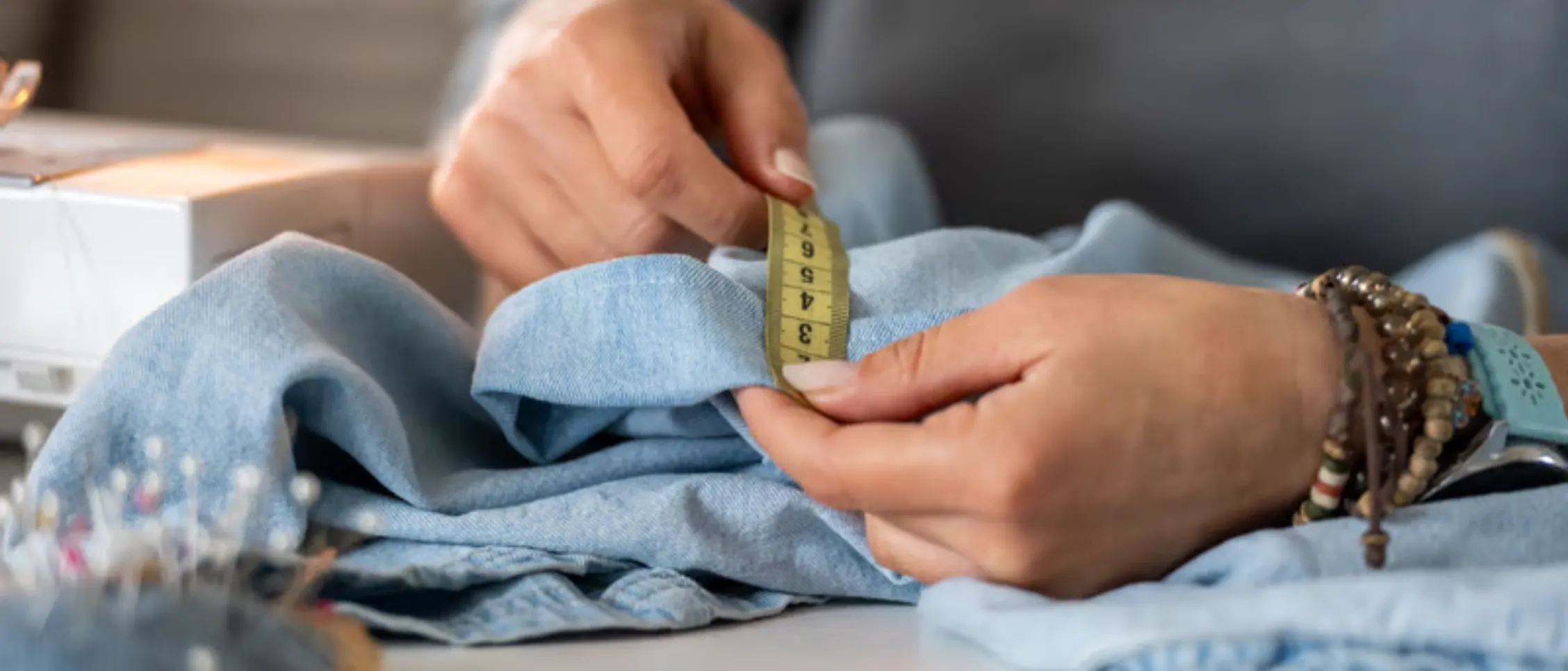
What quality control covers on a streetwear order
Checks at five production stages help identify faults before they affect the finished order. A fabric flaw or off-shade finish found late may require rework, replacement or rejection. The approved sample and written specifications provide the reference for each stage.
| Stage | What is checked | Why it matters |
|---|---|---|
| Incoming fabric | Four-point grading of visible fabric defects; separate checks for shade continuity and agreed material specifications | Identify unsuitable fabric before cutting |
| Sample approval | Fabric, fit, wash, print and embroidery against the brief | Establish the physical reference and acceptable variation for bulk production |
| Cutting and sewing | Panel matching, seam construction, stitch quality and specified measurements | Identify construction and fit deviations during production |
| Wash and finishing | Wash shade, distressing, print and embroidery against the approved reference | Assess each finishing batch against the agreed range |
| Pre-shipment | Every-piece checks within the agreed scope; separately specified AQL lot assessment, label and packing checks | Document findings and resolve failed checks before shipment release |
What does AQL 2.5/4.0 mean?
AQL means Acceptance Quality Limit. It is used to select an acceptance-sampling plan. Inspectors assess a random sample and compare the findings with the plan’s acceptance and rejection numbers. AQL 2.5 does not guarantee that a shipment contains no more than 2.5% defective garments.
FORGEMFG’s stated levels are 2.5 for major defects and 4.0 for minor defects. ISO 2859-1 describes acceptance-sampling schemes. The applicable edition and plan must be agreed for the order; naming the standard alone does not specify a sample size or pass/fail threshold.
Critical, major and minor defects
- Critical: a defect that could create a safety hazard, such as a sharp foreign object. Specify the acceptance rule and escalation procedure explicitly.
- Major: a defect likely to affect intended use or saleability, such as an open seam or a print outside the agreed placement tolerance.
- Minor: a departure from specification with limited effect on intended use, such as a removable loose thread, depending on the buyer’s defect guide.
Agree examples and classifications before production. A zero-acceptance rule means that finding a critical defect in the inspected sample rejects the lot; it does not prove that every uninspected piece is defect-free.
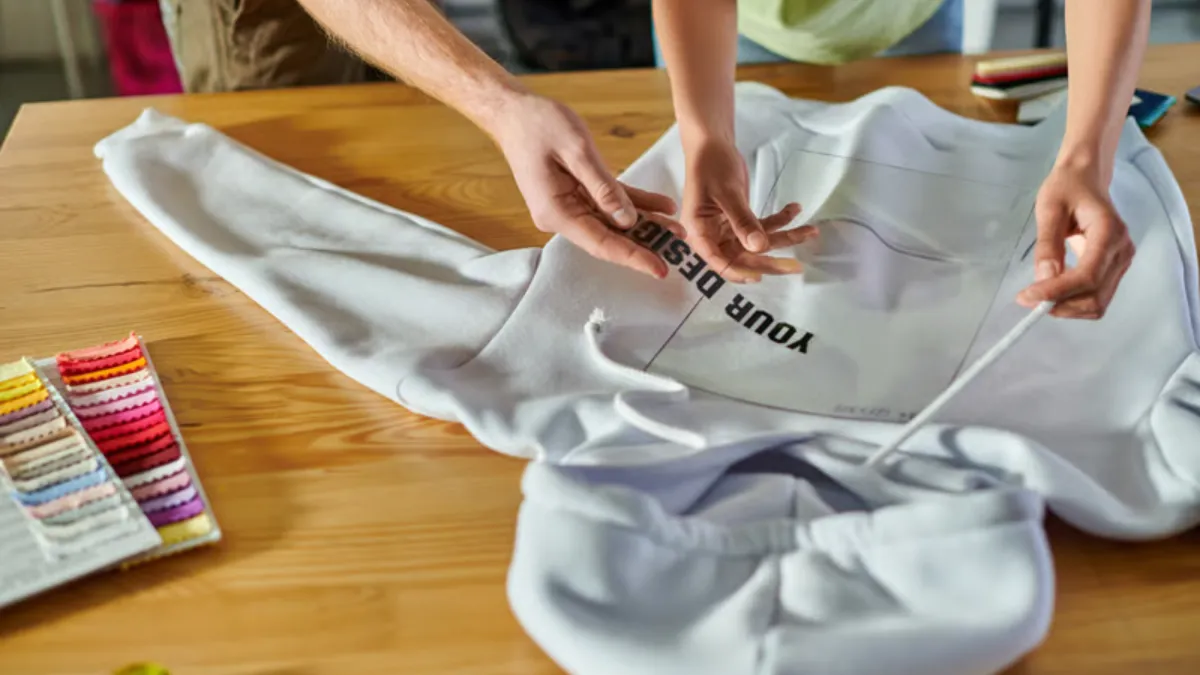
Every-piece checking and AQL acceptance are different activities. Checking every garment covers the attributes listed in the order specification. AQL uses a defined random sample for a lot decision. Measurement checks and performance tests need their own agreed coverage; “100% inspection” does not mean every attribute is tested on every piece.
What your sampling plan must record
- Standard and edition, inspection level, and normal, tightened or reduced inspection.
- Sampling-plan type, lot definition, lot size, sample size and random-selection method.
- AQL levels, acceptance/rejection numbers, and the critical-defect rule.
- Whether counts refer to nonconforming garments or individual nonconformities.
How does four-point fabric inspection work?
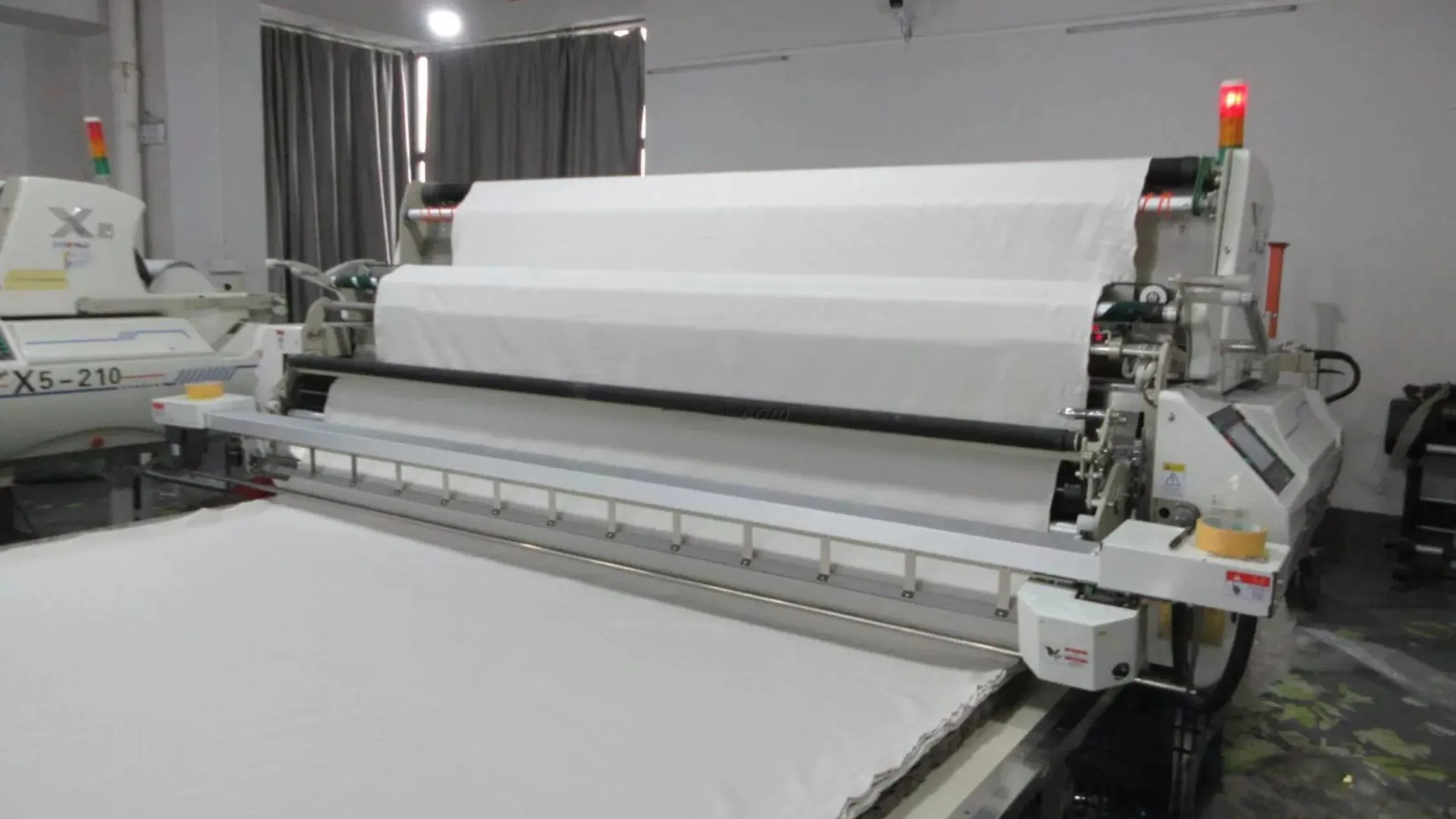
Four-point inspection assigns penalty points to visible fabric defects and normalizes the score by inspected area. ASTM D5430 covers visual fabric inspection and grading methods. Agree the grading option, roll coverage and acceptance limit before inspection; there is no single universal pass threshold for every fabric or buyer.
The inspection procedure should specify defect-size boundaries, hole and opening treatment, scoring caps and calculation units. For scores per 100 square yards, using length in yards and width in inches: points × 3,600 ÷ (inspected length × fabric width). The report should show the measured inputs and the agreed limit.
Shade continuity between rolls is recorded separately. Washing can make streaks or knitting faults more visible, so fabric approval should consider the intended finish. Heavyweight fleece, French terry and denim need criteria suited to their construction and processing.
Checking washed, printed and distressed finishes
Streetwear may include intentional variation. The approved sample, shade range and placement tolerances define acceptable appearance. Construction, durability and safety requirements still apply independently of the intended look.
Wash consistency
Compare bulk garments with the approved reference under agreed lighting. Record unacceptable shade differences, streaks or panel mismatch. Acid and snow washes may require a visual range; other treatments need criteria suited to the specific process. Include post-wash measurements and shrinkage testing where specified.
Print and embroidery
Check placement, edge definition, visible cracking or lifting and hand feel. Assess puff-print height against the approved reference, and embroidery for stitch coverage, thread trimming and puckering. Visual inspection alone does not establish wash durability or colorfastness; agree separate test methods and acceptance criteria where required.
Distressing and hand finishing
Check placement, depth and the intended balance of distressed areas against the design. Symmetry is required only where specified. Distressing near seams or pocket edges also needs assessment for weakened construction, even when its appearance matches the sample.
What to specify so quality control can work
Clear specifications reduce subjective decisions and disputes. A complete tech pack connects the design to measurable acceptance criteria. Safety issues and applicable requirements still matter even when a defect is not pictured in the tech pack.
- Measurements: points of measure, method, units, tolerances and whether dimensions apply before or after washing.
- Approved reference: identified sample version, fabric, wash, print, embroidery and hand feel.
- Defect guide: critical, major and minor examples, acceptance rules and inspection coverage.
- Finish range: shade references, placement tolerances and permitted intentional variation.
- Labels and packing: approved artwork, size and care labels, required origin information, folding, bags and carton markings.
- Testing: destination market, product category, test methods, acceptance criteria and required laboratory reports.
Set tolerances for the actual fabric, construction and finish. Do not copy a lightweight T-shirt specification directly onto a heavyweight washed hoodie. Confirm test availability, measurement coverage and costs in the written quotation.
What should a pre-shipment inspection report include?
A written report should make the inspection scope and release decision traceable. Request a redacted report example when discussing your order and agree when your own report will be available.
- Order, style, colorway, size breakdown, lot quantity, inspection date and inspector identification.
- Every-piece check coverage and any separate sampling plan, including standard/edition, sample size, inspection level and acceptance/rejection numbers.
- Critical, major and minor findings, with the counting method and defect locations.
- Measurements against tolerances and results of any separately agreed performance tests.
- Photographs of inspected garments, defects, labels and cartons.
- A pass or fail decision, corrective action, reinspection result and authorized shipment-release record.
A failed lot is held for sorting, corrective action and reinspection before release. Do not describe a failed result as a pass. Agree who pays for rework or replacement and who authorizes shipment before production. Our sourcing guide provides further context for reviewing factory documents.
Certifications and social-compliance audits
Quality-system certification, social audits and textile certification cover different subjects. Verify current documents for the relevant legal entity, production site and articles before relying on a claim for your order. None replaces inspection of the finished lot.
- ISO 9001: concerns the quality management system. Check the certificate holder, covered site, scope, certification body and validity; it does not certify that individual garments have no defects.
- amfori BSCI: is a social-compliance audit program, not product certification. Check the audited facility, audit date and available report.
- OEKO-TEX STANDARD 100: covers specified textile articles tested for harmful substances. Check the certificate number, holder, validity and covered products. Certified fabric alone does not establish certification of every finished garment.
Request documents applicable to your proposed order with your quotation. Confirm whether their scope covers the materials or finished articles being supplied, and agree any additional testing required for your product and destination.
Where quality control fits in your timeline
Agree the final-inspection window, production and packing readiness, report delivery date and shipment-approval responsibility before production. Allow time to review findings before dispatch. Third-party inspection also needs a confirmed booking and access arrangements.
Rework and reinspection can affect the delivery date. Sample development usually takes 7–15 business days from a confirmed tech pack, depending on complexity; this is not an inspection-report turnaround promise. Order-specific production and delivery planning is covered on our shipping and lead time page.
Quality control FAQ
What AQL level does FORGEMFG use?
Does AQL 2.5 allow 2.5% defective garments?
Is every garment inspected, or only a sample?
Can I review the inspection results before shipment?
What happens if a lot fails inspection?
Can I appoint a third-party inspector?
Is quality control included in the manufacturing price?
Do visual checks confirm shrinkage and print durability?
Is wash or print variation a defect?
Ready when you are
Send your tech pack for a quote
Include the product, quantity, destination market, tolerances and testing requirements. We will confirm inspection scope and costs with your quotation. No tech pack yet? Send a reference for review. We aim to provide a feasibility check and cost estimate within two business days of receiving the necessary details.
Acknowledgment target: 24h · GMT+8 · English support · NDAs on request