T-Shirts
Custom Digital Print T-Shirts (DTG & DTF)
FORGEMFG offers custom DTG and DTF T-shirt production for streetwear brands. The standard minimum is 50 pieces per garment style and garment color. Sampling typically takes 7–15 business days; the start date and bulk production schedule are confirmed in your quotation. Send your artwork, garment specifications, size breakdown, and quantity to receive a print-method recommendation.
DTG prints ink directly onto a garment. DTF prints artwork onto transfer film, then uses adhesive and heat to transfer the design onto the garment. Both support full-color graphics without separate screens for each ink color. For equipment and application details, see our DTG and DTF printing process.

DTG vs DTF, at a glance
Two methods, different fit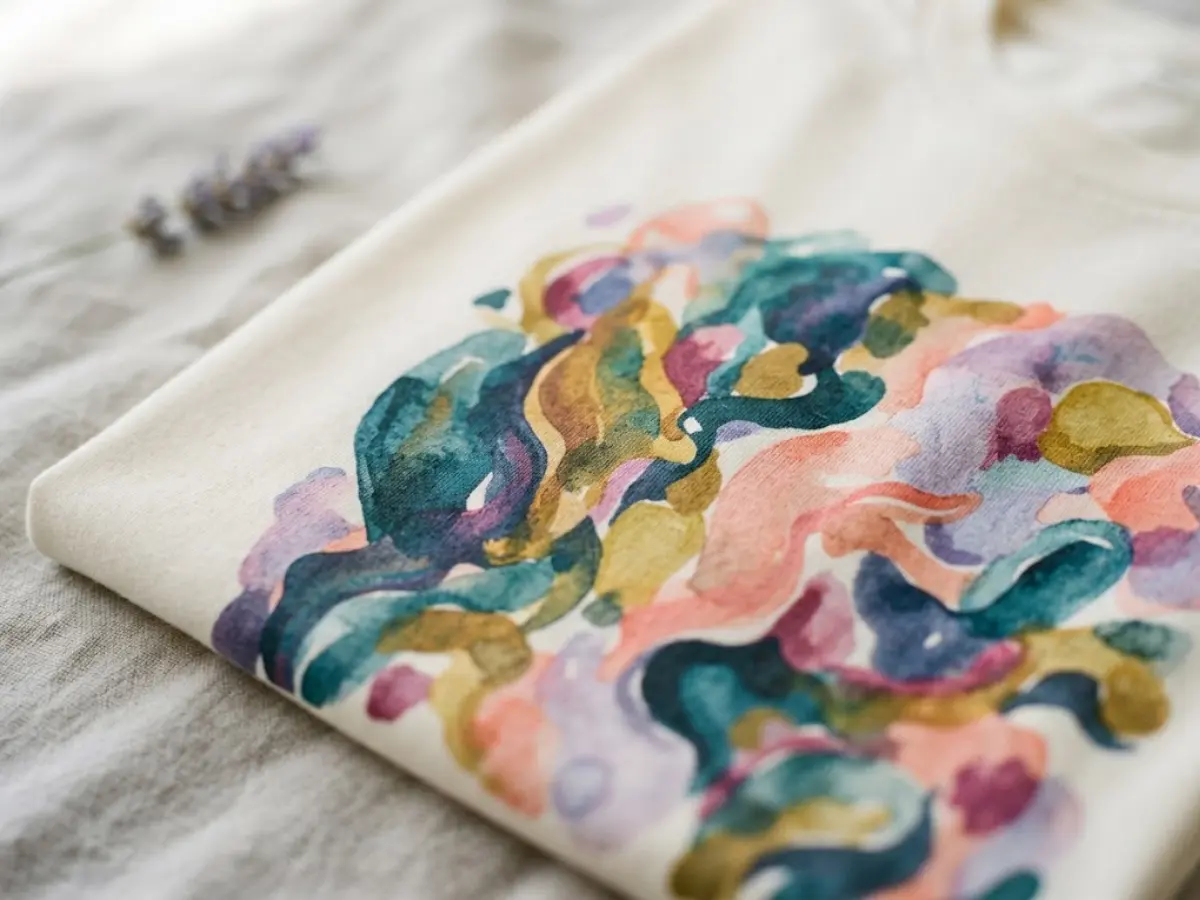
DTG — Direct-to-Garment
Direct ink application suits photographic detail and gradients on suitable cotton garments. Hand-feel depends on ink coverage and fabric. Dark garments typically require pretreatment and a white ink underbase; cotton blends need compatibility checks.
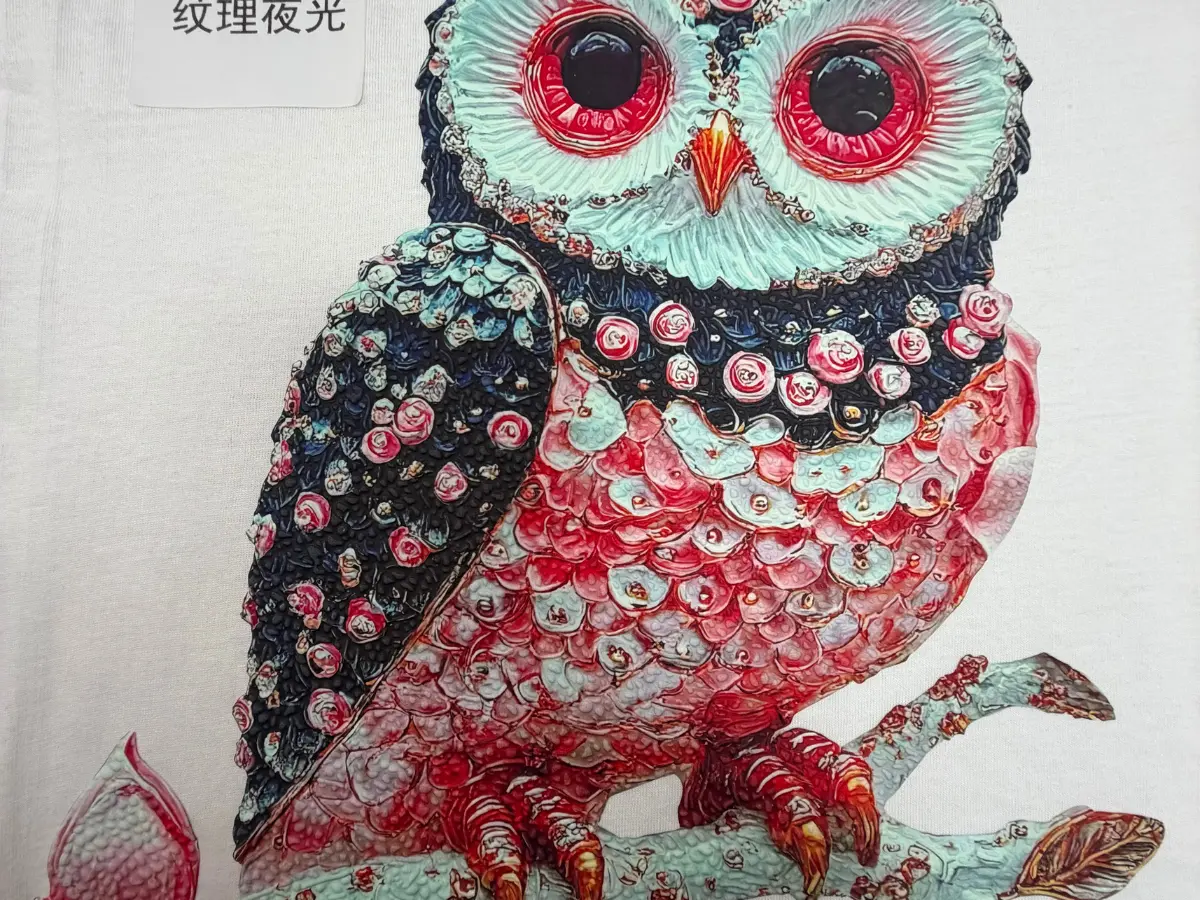
DTF — Direct-to-Film
A printed transfer with white ink backing and adhesive is heat-pressed onto the garment. DTF generally avoids garment pretreatment and can suit cotton, polyester, and blends. Heat sensitivity, stretch, and dye migration must be checked on the chosen blank.
Which method fits your order
Consider DTG for detailed artwork on suitable cotton tees when a soft print feel is important. Consider DTF when the order spans compatible fabric blends or calls for transfer application. Large solid printed areas can feel less breathable with either method, especially with heavier ink or adhesive coverage. The physical sample is the best reference for the finish.
Digital printing avoids per-color screen preparation, which can help on short runs and complex graphics. Screen printing still consumes ink, but its production efficiencies can reduce unit costs on larger runs of simple artwork. There is no universal quantity at which one method becomes cheaper: compare quotes for the same garment, placements, artwork, and quantity.
Changing a digital graphic does not require new screens, but file preparation, proofing, personalization, and production handling can affect cost. Multiple graphics or individual names require feasibility review and written approval of the quantity split.
Blank garment & color options
Cotton and cotton-polyester garments are available subject to blank availability and print compatibility. Fabric composition and weight are separate specifications: request the cotton percentage and your target GSM. Reference weights include 180 GSM and 220 GSM; heavier options require confirmation rather than an assumed upper limit.
Specify fit and measurements separately from fabric construction. Send your preferred silhouette, size chart, neckline, sleeve length, and any ringspun or open-end cotton requirement. Garment colors follow the selected blank range; custom fits, colors, labels, and packaging are assessed during quotation.
Confirm the fabric, garment color, size range, and measurement tolerances before sampling. A physical print sample on the selected garment establishes color, placement, opacity, and hand-feel. A digital mockup establishes layout but does not guarantee the final printed color.
Placement & customization
What's on the tech packRequested placements include left chest, front, back, and sleeve. Provide the printed width and height in centimeters or inches, plus placement offsets from seams. The supported dimensions depend on the machine, garment size, seams, and print method; your quotation confirms the maximum for each placement.
Flag oversized, edge-to-edge, or seam-crossing graphics before sampling. These may require another production approach and are not assumed to be available on a finished blank. Washing, dyeing, printing, and embroidery sequencing is confirmed for the chosen garment and finish.
Digital printing and embroidery can be combined subject to placement and construction review. Request neck labels, neck prints, hangtags, or packaging in the same tech pack so their feasibility, minimums, and costs can be included.
Durability & wash care
Print durability depends on the garment, ink or transfer system, adhesive, curing, application settings, and care conditions. Neither DTG, DTF, nor screen printing is universally the most durable. Agree on the required wash performance and acceptance criteria before approving production.
Follow the approved care label for the finished decorated garment. Where compatible with that label, turn the shirt inside out, wash cold, avoid bleach and ironing directly on the print, and air-dry or use low heat. Do not assume that the undecorated blank's care instructions cover the applied print.
If wash performance is important to your launch, request sample testing with the fabric, print method, wash conditions, cycle count, and results recorded. No fixed wash-cycle guarantee is stated without test evidence for the specific application.
Consistency across a bulk run
Approve the artwork layout first, then the physical printed sample. Record garment specifications, print dimensions, placement, color references, and acceptable variation before bulk production. A screen preview is not a substitute for the physical approval reference.
The inspection requirements should cover print placement, color consistency, opacity, adhesion, measurements, and stitching. AQL is a sampling acceptance framework, not proof of wash durability. Confirm defect classifications, inspection level, sampling plan, and acceptance limits in the order specification; wash testing requires its own agreed procedure.
For certification requirements, request current evidence for the applicable facility and product through our certifications and sustainability information. Confirm certificate holder, scope, validity, and whether the finished decorated garment is covered. A facility audit and a product certificate establish different things.
MOQ, sampling & what drives price
The standard MOQ is 50 pieces per garment style and garment color. Two garment colors therefore require at least 100 pieces in total. Size splits, graphic variations, and personalization are reviewed within each qualifying garment-color quantity; additional minimums or preparation charges may apply. A garment colorway is distinct from a graphic design.
Sampling typically takes 7–15 business days. Confirm the start date after artwork, garment availability, specifications, and sample payment requirements are agreed. Sample fees, revision costs, and any bulk-order credit are confirmed in the quotation. Bulk lead time is quoted separately after reviewing quantity, materials, decoration, and finishing; transit time is additional.
Price depends on the blank, fabric, quantity, print area, placements, coverage, white ink requirements, artwork handling, personalization, labels, and packaging. Ask for an itemized quote stating currency, delivery terms, inclusions, freight, and duty treatment. Digital printing avoids per-color screens but still has production and consumable costs.
Standard payment terms are a 30% deposit with the balance due before shipment, subject to the written quotation. A repeat order may avoid a new sample cycle when specifications and materials remain unchanged and production checks pass. Changes in blanks, garment dyes, artwork, or print consumables can require renewed approval.
Frequently asked questions
What is the difference between DTG and DTF printing?
What is the minimum order quantity?
Can I mix sizes or different graphic designs?
How long do sampling and bulk production take?
What does a sample cost, and are revisions included?
Can you print on dark garments or polyester blends?
What is the maximum print size?
What artwork files should I send?
How are print colors approved?
Can digital printing be combined with embroidery and private labels?
Is digital printing cheaper than screen printing?
Can I request wash testing and certification evidence?
What shipping and delivery terms apply?
Ready when you are
Ready to send over your artwork?
Send your artwork, garment composition and GSM, measurements, print dimensions, quantity breakdown, delivery destination, and target date. We will review feasibility and confirm the quote and production schedule.
GMT+8 · English inquiries welcome · Mention NDA requirements