Acid Wash and How We Actually Do It on the Floor
The acid wash is our highest-contrast finish; it's a marbling of white and blue on denim and a mottling of black and gray on fleece. This page will discuss the process in terms of materials, effects on the fabric, and quality control for the batch. The hoodies and jeans product pages discuss this in terms of ordering and sizing.
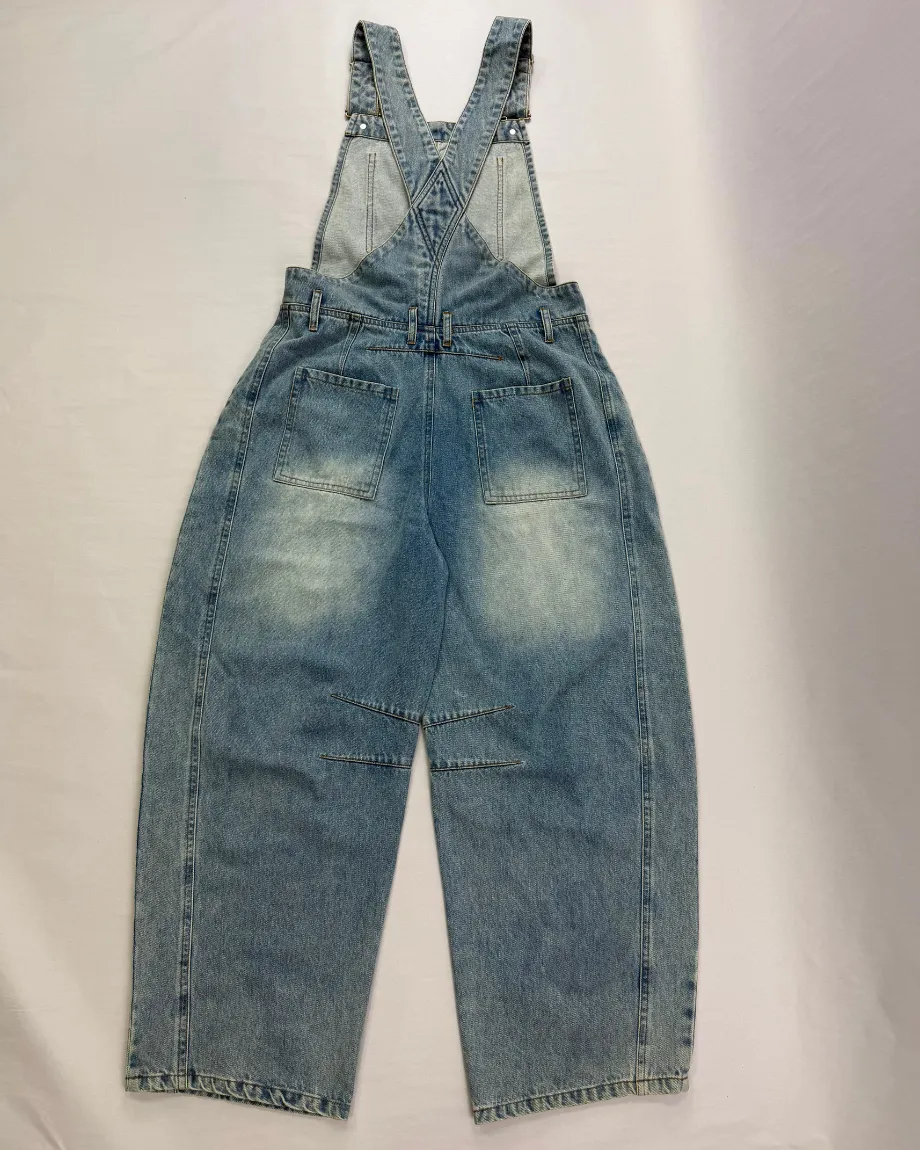
Pumice and an Oxidizing Chemical, Tumbled Dry — No Water at First
The acid wash procedure is dry first and then wet. Pumice stones are pre-soaked in either potassium permanganate or sodium hypochlorite as an oxidizing agent, and then are tumbled together with the garments in the dry drum without any addition of water. Any place where the stones rub will take some dye from the fabric surface, creating the stark contrast of the marble-like effect. The flat parts where the stones do not touch will remain dark, whereas the elevated parts, like seams and edges of pockets, rubbed by the stones many times, will be very light.
Although it is called acid wash, there is no acid used on the garment during this central stage – the term "acid wash" is related to the result only. Next, after the dry tumble, the lot is washed to neutralize the reaction with oxalic acid if potassium permanganate was used or antichlor if sodium hypochlorite was applied.

Three Standard Grades, or Send Us a Reference Garment
Stone ratio + tumble time
The contrast depends on two parameters: the proportion of pumice stones to garment weight, and the time of operation of the drum. We maintain three standard grades:
| Grade | Stone ratio (stone : garment) | Tumble time | Contrast | Recommended for |
|---|---|---|---|---|
| Light | 0.5–0.8 kg / 1 kg | 10–15 min | Mild tonal contrast | Subtle worn-in look, higher fabric-strength retention |
| Medium | 0.8–1.2 kg / 1 kg | 15–22 min | Clear marbling effect | Most frequently ordered grade |
| Heavy | 1.2 kg+ / 1 kg | 22–30 min | Pronounced frosting, high contrast | Statement pieces where contrast matters more than fabric life |
In case none of these three standard grades satisfy your requirements, provide us with a garment for reference. We will conduct a test batch of the garment to be able to set the proportion of stones and time of the operation to achieve the desired result.
Effects of Process on Denim vs. Fleece
Same method, different tolerancesThe basic process is the same for both denim and fleece, but the fabrics require different treatment. Denim, with its tightly woven twill, can stand more tumbling and a higher ratio of stones, producing the distinct frosting look on raw and medium-weight denim. Fleece is a less dense fabric, made using loop-back knitting technology; applying the process to fleece as we do to denim will result in flattening of the loop and weakening of handfeel before achieving the desired contrast. In order to create the acid-wash hoodies, we reduce the tumble and the concentration of the oxidizer to achieve a slightly less dramatic effect, but not at the expense of handfeel; the resulting acid-washed hoodie should feel just as thick as an unprocessed one.
Fabric loss is unavoidable for any acid-washed product: the acid and the tumbling will inevitably affect the tensile strength and GSM of the material, because both processes affect the outer surface of the fibers. See our Fabrics & GSM guide for how this compares to fabric loss from standard washing (typically 3–8%). This is why the time of the cycle and the ratio of the stones are preset for each fabric grade, rather than adjusted during the process, as over-processing results in excessive fabric loss, leading to seam tearing and premature pilling of the fabric. Another potential problem is the tendency of the acid-washed products to yellow due to improper neutralization of the material after the wash.
What defects do we look out for, and why do they occur
The failure modes, not just the finishThere are a few defects associated with acid wash, and understanding what causes each one is how we avoid them — and how a buyer can tell a factory that knows the process from one that's guessing.
Crocking – a defect that consists of a transfer of dye from one surface of the item to another during wear – happens when the neutralization phase or the softening process ends prematurely, resulting in loose dye that is not properly set in the material. We make sure all these processes are completed to the full cycle time instead of being ended early, since this is a defect a buyer will catch in the finished goods, not one that can be fixed after the fact.
Backstaining – where the dye that has been lifted transfers back to other locations of the garment, or worse, other garments – occurs because of the drum being overloaded and/or the liquor ratio that is insufficient to carry away the excess dye. We limit the loading per drum instead of maximizing the number of items we can wash per cycle.
Chlorine damage and yellowing – this is where the garment takes on a brittle feel and yellowish coloration in a couple of weeks after the item was shipped – is usually caused by either an oxidizer being present in the item due to the incomplete neutralization process, or too long a tumble resulting in over-removal of the dye. This is a defect that is most likely to show itself after the item has already been accepted by the buyer; that is why we have set rinse times instead of adjusting them per cycle.
Pinholes and thin spots – this is a defect that includes small holes and thin spots of fabric, usually found at the seams or around pockets – is caused either by the stone ratio being too high or the tumble time going beyond the intended grade. That is the risk that we take by washing the garment to the point where the fabric strength is being compromised in order to increase the contrast.
None of these defects are very rare – every factory that uses acid wash will be able to identify them. Usually, the difference between factories that occasionally produce these defects and those that rarely do lies in whether the neutralization and rinse steps are run to full cycle time every batch, or cut short to save a few hours.
Handling and discharge of chemicals
Controlled dosing, not guessworkThe oxidizing agent we use in acid washing processes is potassium permanganate, one of the chemicals currently under scrutiny by the industry due to being included on the candidate watch list of the ZDHC Manufacturing Restricted Substances List. Controlled dosing and closed handling of the chemical is the default standard we apply to this operation rather than an option, and the waste effluents are treated on-site before their discharge.
There is a move towards the development of synthetic or reused stone abrasives, including recycled rubber or PU-based abrasives, resulting in a similar abrasion effect with less pumice dust in the effluents and less wear and tear of the drums used. We have not adopted this technology across all our operations yet, as natural pumice is more effective in giving contrast to the fabric surface, but when a client specifically requests the process, we conduct trials with synthetic material and walk you through its shortcomings.
Quality control and turnaround time
Repeatable, not one-offEvery batch is checked against the approved reference for marbling density, shade, and handfeel before it moves on to our standard AQL 2.5/4.0 inspection — this happens on every order, first-time or repeat. What doesn't repeat is the approval process itself: because stone ratio and tumble time are fixed per grade, an order placed again six months later runs the same formula that was approved the first time, so you're not re-approving the wash recipe from scratch, just confirming the batch matches it.
Speaking of time: dry tumbling takes 10-30 minutes depending on the grade, but the entire process, from stone soaking through tumble and neutralizing rinse to softening, usually takes 2-3 days after fabric has been put into washing, in addition to 4-5 days in case a reference sample from the buyer needs testing for another batch first.
Order it on a garment
Ready to spec a runThis page covers how the finish is made. If you already know which garment you want it on, the acid wash hoodies and acid wash jeans pages cover sizing, MOQ and ordering specifics for each.
Frequently asked questions
Acid wash, straight answersWhat actually creates the acid wash marbled effect?
Does acid wash use actual acid?
Can acid wash be applied to fleece, or only denim?
How many acid wash intensity grades do you offer?
Does acid wash weaken the fabric?
How long does an acid wash cycle take?
Know the grade you want?
Send the reference. We'll run the test batch.
Ship a physical garment or pick from our three standard grades and we'll come back with a feasibility check and cost estimate within 2 business days.
Reply within 24h · GMT+8 · English OK · NDAs signed on request