For Australian Buyers
Australia Apparel Manufacturing Partnership
In 2021, our Melbourne-based client placed the first order: 80 heavy-duty hoodies without chest prints, garment dyed, and only a woven neck label. The most difficult question to solve was not related to the washing or the fabric. The question concerned possible duty charges in addition to the invoice cost, as well as how much GST they should pay on their landed cost. Both of these questions are simpler than the buyer would think at first and are explained below, along with care labeling and shipping routes, and the difference between the pre-production stage and once the order has started.
The fact is that most of the clients we work with do not use a local sourcing agency to place orders, so they contact us directly. This process is generally quicker, but it is better to have some basic knowledge regarding the paperwork for a duty-free order before asking about it. In fact, the whole process is relatively simple, as it includes only several documents and fixed rates, but it is more convenient to know about it beforehand.
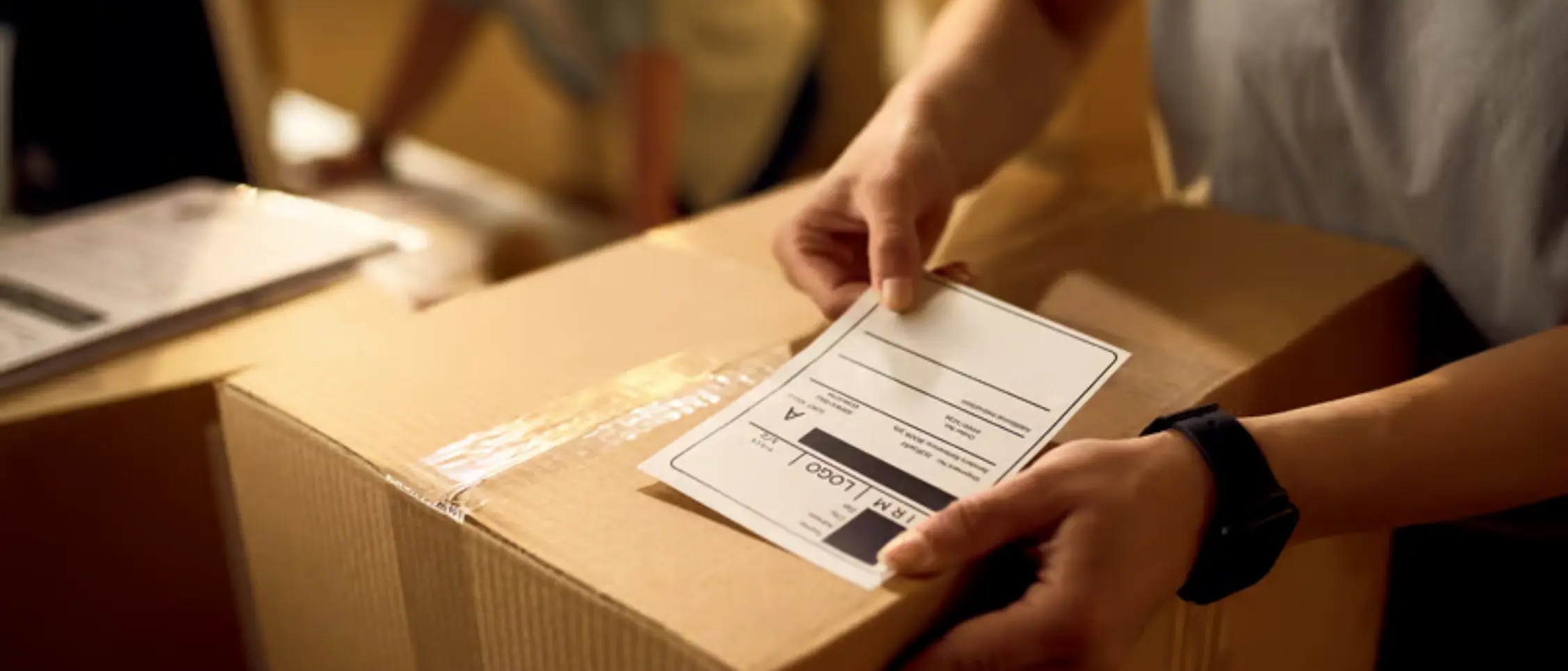
Duty-Free and GST, explained simply
ChAFTA · 10% GSTPursuant to the China-Australia Free Trade Agreement, duty on clothes and shoes imported from China was reduced to zero with effect from 1 January 2017. Simply put, this translates to the fact that all streetwear ordered from us today comes in duty-free, so long as the shipment is accompanied by the relevant Certificate of Origin, as standard documentation that we take care of when exporting.
As for GST, this is an independent charge and a product being imported duty-free does not exempt it from this charge. The GST on imports is charged at a fixed rate of 10% of the taxable value by the Australian Taxation Office. Generally, the payment for GST needs to be made in advance to the Department of Home Affairs for the goods to be released. The buyer holding an ABN for GST purposes can get a refund via input tax credit or deferred GST arrangements – worth consulting your accountant or customs broker before your first purchase, as the issue of cash flow takes precedence over the actual cost of the order.
The only document determining the application of the 0% rate is the Certificate of Origin. It has to identify the goods, exporter, and the criteria for determining origin satisfied under ChAFTA's rules of origin. This means that for garments manufactured and cut in China from the fabric produced there, this procedure is relatively simple. However, where a shipment is presented without such a certificate or where the certificate does not correspond with the items specified on the invoice, Australian Border Force will determine duty based on the standard tariff rate.
Care labelling requirements
Mandatory standardAustralia is more strict in this regard compared to most of our other markets. According to the ACCC care labelling mandatory standard, clothes should be provided with a durable and legible care label before leaving the manufacturing plant, either written in English, five internationally recognized care labels, or both. The labelling does not take place once the products are shipped; the labelling details are verified through testing at the sampling stage and attached to the garment on the production line as part of the routine procedure, not an additional action for the buyer to organize upon receiving the shipment.
- 1. No need to declare the fabric composition or garment size on the care label – it's not legally required. Manufacturer's name identification is also not legally required. These requirements may apply in other markets but not in Australia.
- 2. The only care instruction is legally required on essentially all kinds of clothes available in Australia.
- 3. Several kinds of items are not subject to the care labelling mandatory standard, such as haberdashery items or disposable clothes, but almost every hoodie, T-shirt or jacket production run will require labelling.
How your order gets to an Australian port
Production → your warehouseThree stages, none of which need much hands-on management from the buyer's side once the sample is approved and the deposit is in.
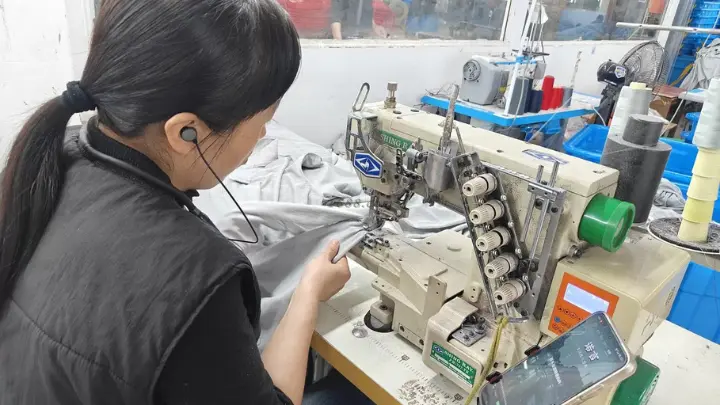
Production & labelling
Care labels go on during the run, matched to the wash and fabric approved at sampling — not added afterward.
25–35 business days
QC & export paperwork
100% inspection at AQL 2.5/4.0, plus the Certificate of Origin needed to claim the ChAFTA duty-free rate.
2–3 business days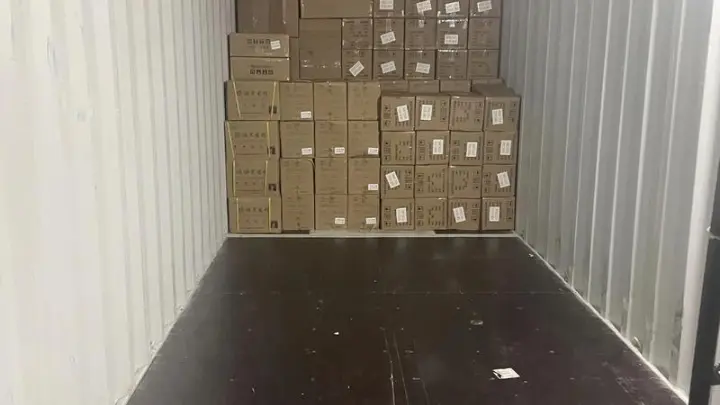
Sea freight & clearance
18–25 days to Sydney, Melbourne or Brisbane, then local clearance under FOB, EXW or DDP, depending on your setup.
18–25 days transitAustralia, at a glance
Everything above in one place, for anyone skimming back through this later while filling out a customs declaration.
| Item | What applies |
|---|---|
| Customs duty | 0% under ChAFTA, with a valid Certificate of Origin |
| GST | 10% of the taxable importation value, paid separately |
| Care labelling | Mandatory — permanent label, English text and/or the five international care symbols |
| Shipping | 18–25 days sea freight; 5–10 days air freight, door to door |
| Terms available | FOB, EXW or DDP through freight partners |
FOB, EXW, and DDP - which to choose
Which term fitsThis becomes the only decision that is not dictated by the customs regulations after choosing the appropriate duty and labelling procedures, and basically depends on whether you have a freight forwarder and customs broker on your side. In the vast majority of cases, FOB (the goods are delivered from China and then the buyer books his own freight and clearances) is used as the most common solution for those buyers who already buy from other suppliers and therefore have their broker in place. FOB becomes the cheapest variant as well, because the freight is booked directly. EXW (all the operations are performed by the buyer from the moment when the goods are loaded at the factory) provides maximum control and maximum work to perform, but it is worth it only in exceptional cases. DDP (the goods arrive at the buyer cleared and delivered, all duties and GST are paid in advance) is less popular as it is more expensive, but it allows avoiding the paperwork altogether, and it is usually the best choice for first-time Australian buyers who don't have the broker yet — it turns four steps into one. There is no wrong choice in this case — it is the issue of cost vs. control, and it should be decided in advance rather than in the middle of a shipment process.
Pricing & minimum order
All of the above does not affect the price you pay the factory, but determines the procedures which will be applied after shipment. Minimum order is 50 pieces per style per colorway; just like in every other region we ship to, the payment is 30% deposit and then 70% after pre-shipment inspection. The details about unit prices and how they depend on quantity are covered in MOQ and Pricing, and the information about shipping options and typical timelines in Shipping & Lead Times. Neither of these pages is Australia-specific, but the information about the duty, GST and labelling above is the only issue that will be changed in case of an Australian order, while all the rest works the same way.
The reorder procedure makes the paperwork process easier, and in case when the sample is already approved, the care label specification is defined, and the Certificate of Origin format is agreed on, the order can be launched straightaway from the deposit and quantity confirmation without performing any of the pre-order procedures. Duty and GST treatment will not change between the first order and the fifth one, but the amount of the upfront procedures will change.
Frequently asked questions
Do we pay import duty on garments from China under ChAFTA?
Is GST charged on top of the garment cost?
What care labelling do we need before the goods arrive?
What's the typical shipping route and transit time from Dongguan to Australia?
Do we need a Certificate of Origin to claim the ChAFTA rate?
Can you handle DDP shipping to an Australian address directly?
Ready when you are
Sourcing from Australia? Start with a quote.
Feasibility check and cost estimate within 2 business days. No tech pack yet? Send a reference — we'll help you build one.
Reply within 24h · GMT+8 · English OK · NDAs signed on request