Printing & Embellishment — Hot-Fix Rhinestone
Custom Hot-Fix Rhinestone Embellishment
FORGEMFG offers custom hot-fix rhinestone detailing for streetwear hoodies and T-shirts in Dongguan, China. Send your artwork, fabric specification, placement dimensions and quantity to discuss a garment order with rhinestone decoration.
Explore stone selection, artwork limits, application and care before requesting a sample. For the garment itself, see our hoodie manufacturing and T-shirt manufacturing pages. Order-specific materials, minimums and timing need confirmation in your quotation.
How the application process works
4 stages, design to finished garmentArtwork preparation establishes stone positions, sizes and spacing. The proposed fabric and components also need compatibility checks before a layout is approved. The four stages below describe the process; settings depend on the selected adhesive system.
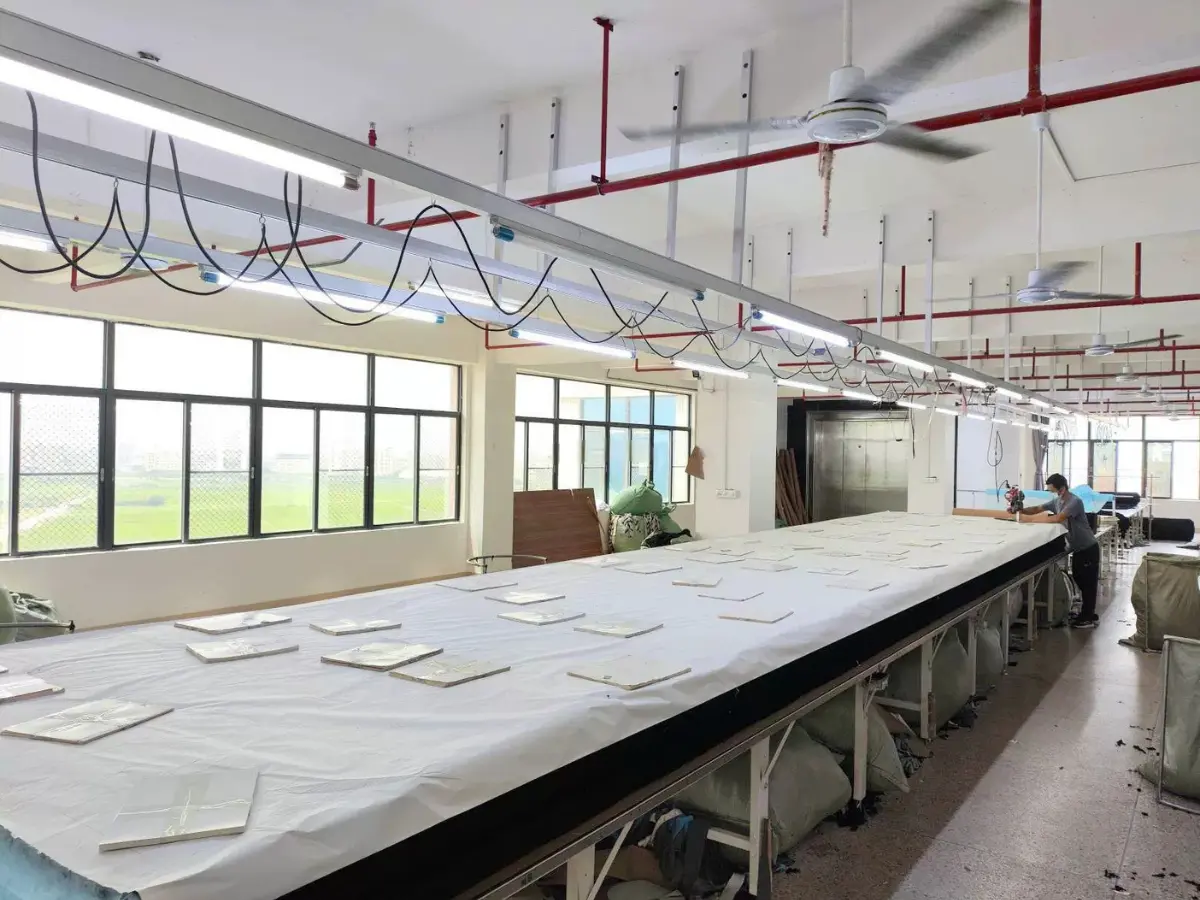
Motif design & stone layout
Convert artwork into a stone layout at the intended garment size. Check stone dimensions, spacing, readable text and placement. Changing the design size can require a revised layout and another approval.
Approve each layout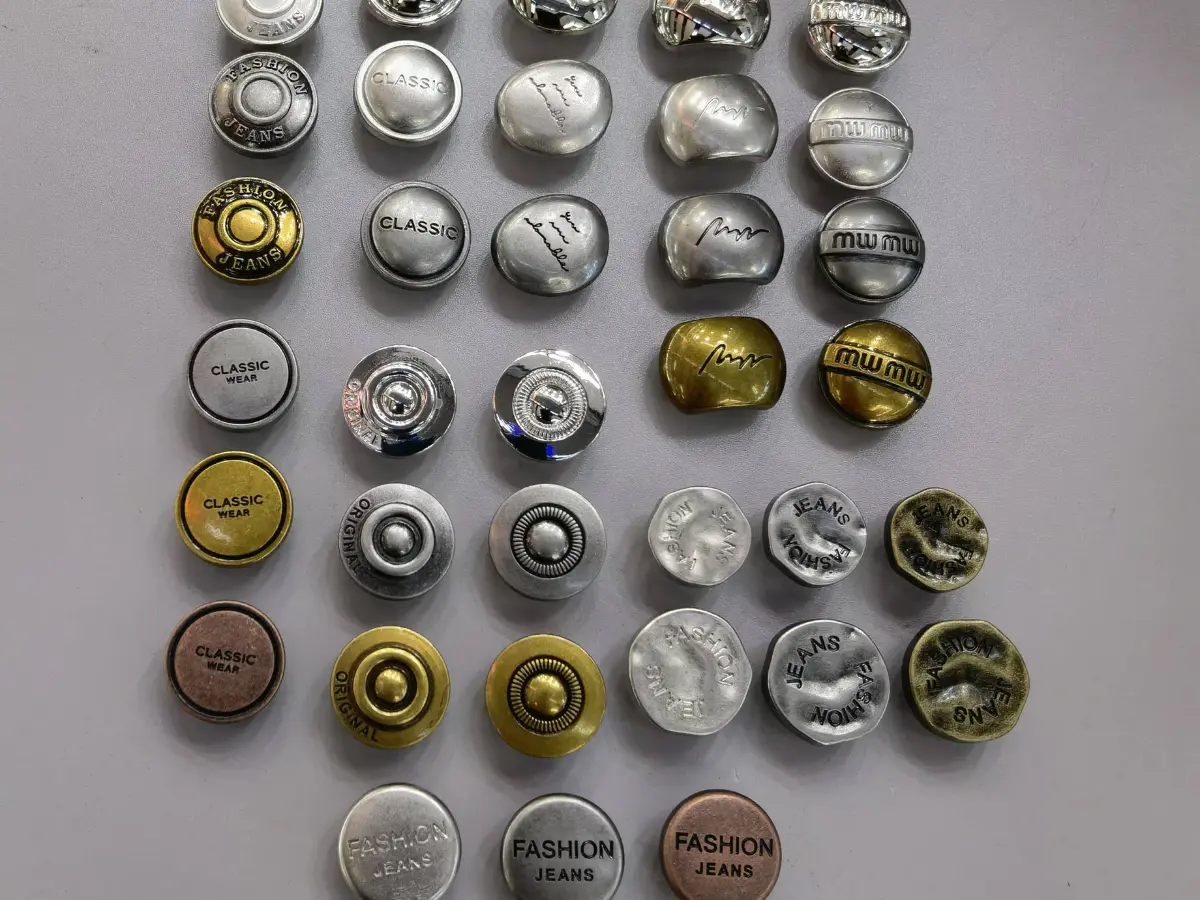
Transfer assembly
Arrange stones with their decorative faces against the carrier and adhesive backs exposed. Check the orientation, count and spacing so the complete motif can be positioned on the garment.
Check each transfer
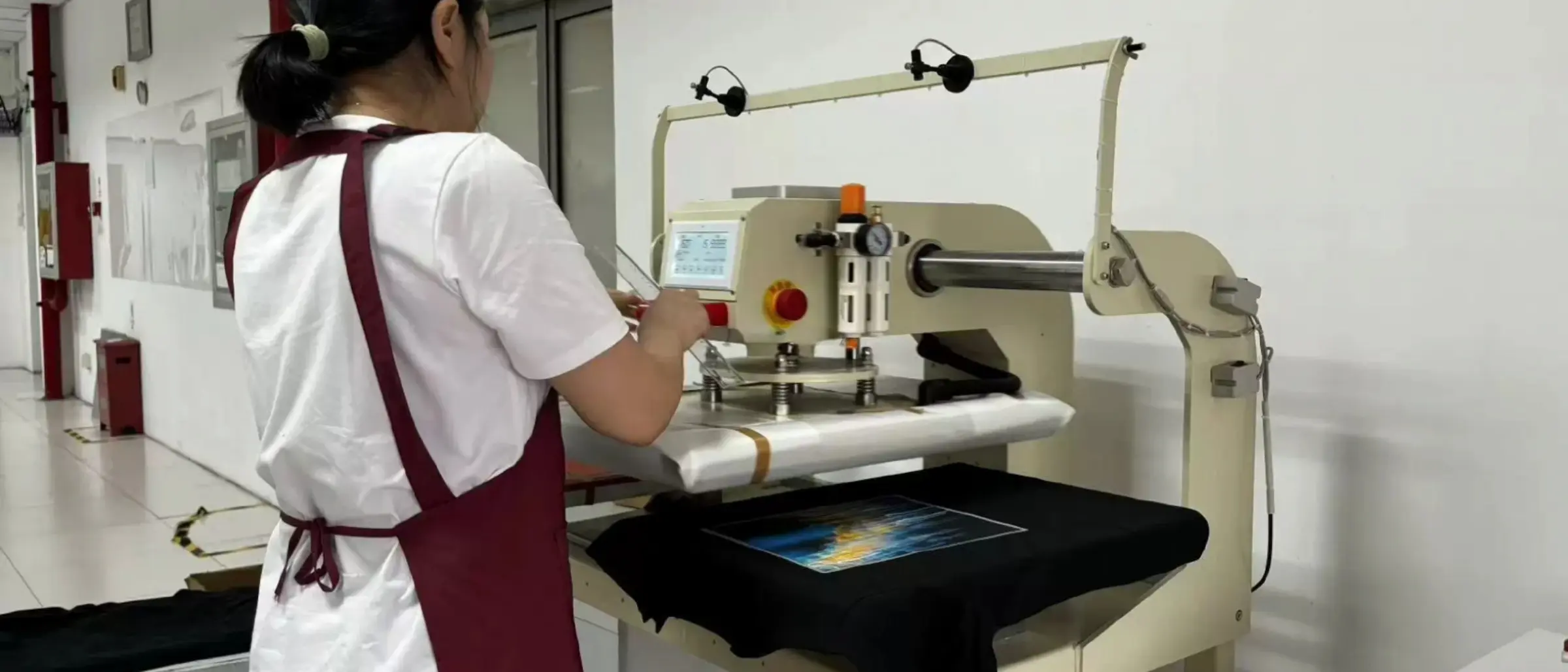
Heat press bonding
Apply the transfer using the component supplier’s specified temperature, pressure and dwell time, validated on the garment. Fabric thickness, finish and equipment affect the working settings.
Supplier-specific settings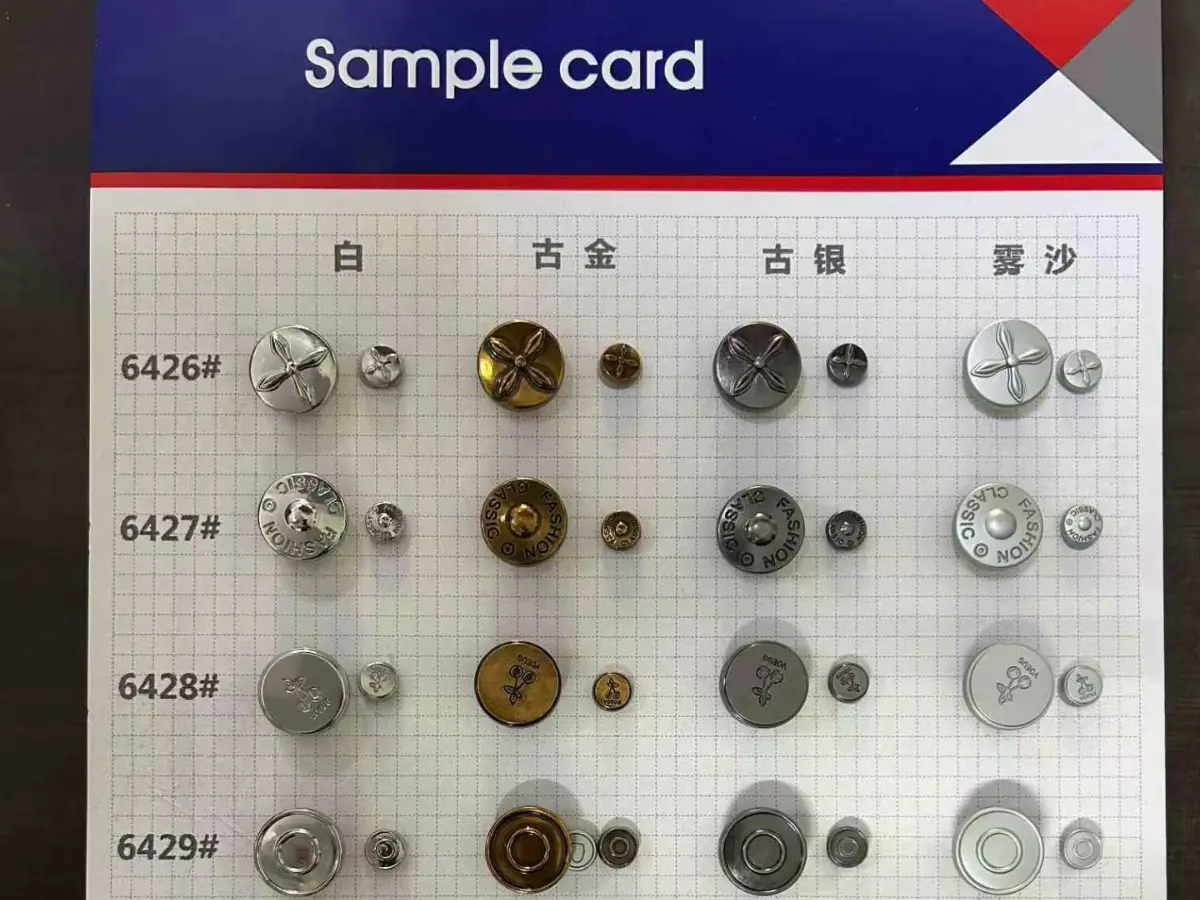
Cooling, conditioning & QC
Remove the carrier according to its peel instructions, then inspect alignment, missing stones and adhesive marks. Allow the specified cooling and conditioning period before wash or retention testing.
Inspect and validateStone types and sizing
Specify the base material separately from its color, coating or finish. Availability and adhesive compatibility must be checked for the exact component; a visual match alone does not establish suitability for heat application.
| Material or finish | Characteristics |
|---|---|
| Glass / crystal glass | Faceted glass can provide a bright sparkle. Cut, coating, color consistency and adhesive specification vary by supplier; approve the actual component sample. |
| Acrylic / polymer | Lightweight options require explicit supplier approval for hot-fix use. Do not assume ordinary glue-on acrylic stones will tolerate pressing or form a reliable heat bond. |
| Pearl-effect / matte finish | These describe appearance, not a single base material. Confirm the underlying material, shape, coating and adhesive system before specifying them for a garment. |
Round rhinestones are commonly sold in SS sizes. SS6, SS10, SS16 and SS20 identify size categories, not an exact universal diameter. Record the selected supplier’s millimeter dimensions and tolerances in the approved specification, along with the stone color and finish.
Mixed sizes can distinguish a logo outline from its interior detail. Confirm each size, stone count, spacing and final motif dimensions before production. Ask about available shapes and maximum placement dimensions; these depend on the selected components and pressing setup.
Placement and design limitations
What to check before finalizing artworkBecause the design is built from discrete stones rather than continuous stitching or ink, a few constraints come up consistently when converting artwork into a rhinestone layout.
Durability and care considerations
Rhinestone retention depends on the adhesive, fabric surface, application quality, garment construction and care. A visual inspection alone cannot establish wash durability. Agree the sample-conditioning period, wash method, drying method, number of cycles and acceptance criteria before making a durability claim.
Request results for the relevant garment and component combination: sample quantity, stone specification, test date, missing or loosened stones and any appearance changes. Follow the approved garment care label; gentle inside-out washing and avoiding direct ironing over stones are useful precautions, but wash temperature and drying permissions must match the tested combination. Discuss documentation through our quality control service.
Where rhinestone detailing works well
Logo outlines, spaced wordmarks and graphic accents on compatible hoodie or T-shirt panels are useful starting points. For washed garments, define the decoration sequence during sampling: washing before application changes the bonding surface, while washing afterward exposes the adhesive and stones to that process. Validate the actual finish and sequence, especially for acid wash, softeners or coated fabrics. See our garment washing capabilities when combining treatments.
Hot-fix rhinestone vs. embroidery vs. print
General comparison for planning purposes| Factor | Hot-fix rhinestone | Embroidery | Screen / digital print |
|---|---|---|---|
| Bond type | Heat-activated adhesive | Stitched thread | Screen/DTG: ink system; DTF: adhesive-backed transfer |
| Fine detail | Limited by stone size and spacing | Limited by stitch/thread size | DTG/DTF can reproduce gradients; screen print needs suitable separations |
| Texture | Faceted, dimensional | Raised, textured | Varies: soft-hand ink, raised print or transfer film |
| Care sensitivity | Depends on adhesive, substrate and approved care | Depends on thread, backing, fabric and construction | Depends on ink/transfer, application and substrate |
| Typical use | Garment accents, logo outlines and wordmarks | Logos, crests, left-chest branding | Graphics; coverage and detail depend on process |
This is a general planning comparison, not a ranking — the right technique depends on the artwork, the fabric, and how the finished piece will be worn and cared for. Many designs combine two of these rather than choosing one exclusively.
Frequently asked questions
What is the minimum order for custom rhinestone garments?
What files and measurements do I need for a quote?
How long do sampling and bulk production take?
Can rhinestones be combined with prints, embroidery or garment washing?
How long do hot-fix rhinestones last, and how should they be washed?
What is the difference between hot-fix and glue-on rhinestones?
Do rhinestones work on stretch or performance fabrics?
What determines the smallest readable detail and the price?
Technical references: consult the selected supplier’s instructions, such as the Preciosa hot-fix application manual, for application and conditioning guidance. OEKO-TEX® STANDARD 100 concerns harmful-substance testing within the certificate’s scope. ISO 105-X12 covers textile rubbing colorfastness, not stone retention. These references do not establish certification or test results for a FORGEMFG order; request the relevant documentation.
Ready when you are
Have a rhinestone design in mind? Let's check feasibility.
Send your artwork, placement dimensions, fabric details and quantities to request a feasibility review and an order-specific quotation.
Dongguan, China · GMT+8 · Enquiries in English