Services · Sampling Process
Garment Sampling Process for Streetwear OEM Orders
FORGEMFG provides garment sampling for streetwear brands in Dongguan, China. Send a tech pack or design reference for a feasibility check and cost estimate within 2 business days. A first sample typically ships 7–15 business days after the tech pack is confirmed, depending on materials and finishing complexity. Courier delivery and any further revision rounds add time.
Review the development steps, sample fees, approval checks and bulk-production handover below. Your written quotation should identify the sample scope, start conditions, revision terms and fee credit before you commit.
How does the sample order process work?
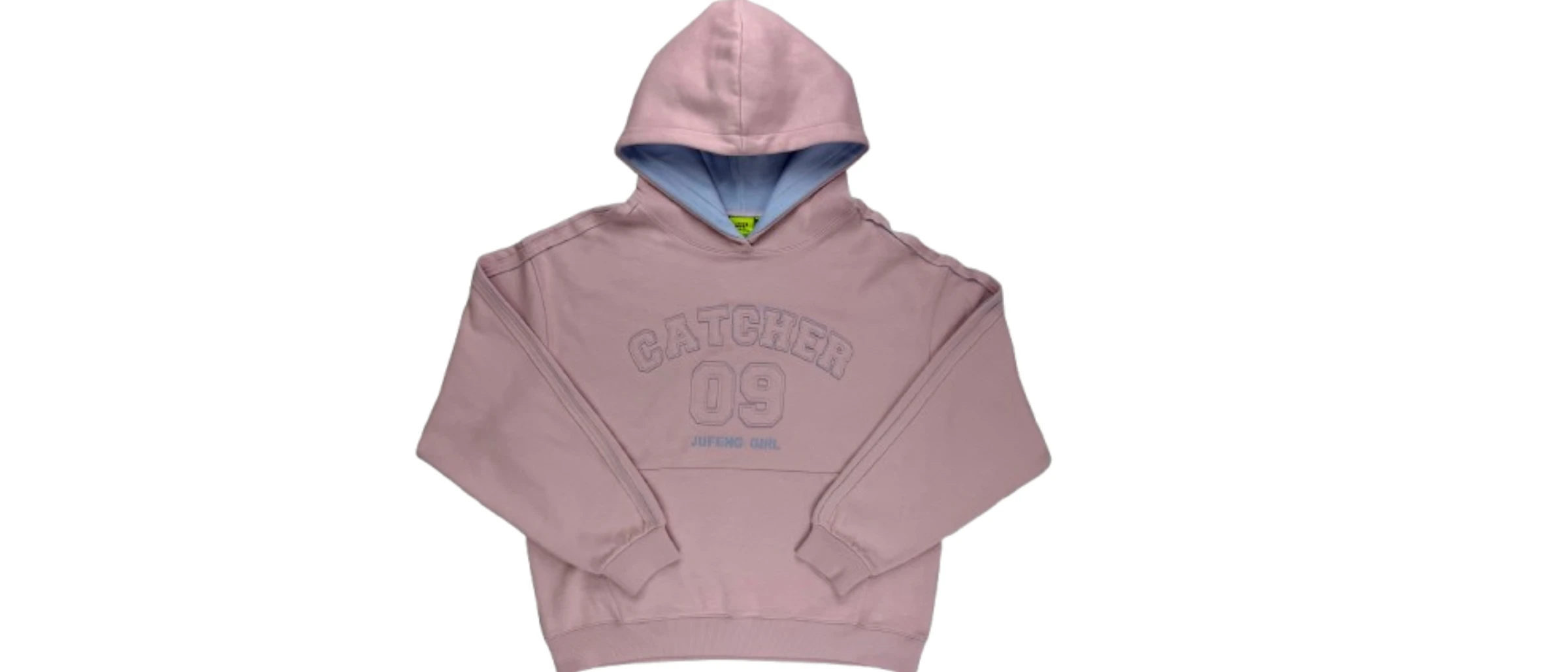
The process has six steps, from the initial brief to written approval. The initial feasibility check and estimate are free. Tech-pack support is listed as included for the new-brand program; confirm its scope and any additional pattern or artwork development in your quote.
- Send your tech pack or a reference. A full tech pack is best. If you only have sketches, photos or a garment you like, send that, and our tech pack support service turns it into production-ready specifications.
- Receive the feasibility check and cost estimate. The initial review arrives within 2 business days of receiving your brief. Missing specifications may require follow-up before a final quote. The review explains whether the fabric, wash, print or embroidery can be produced as described, flags anything that needs changing, and states the sample fee.
- Confirm the tech pack and the sample fee. The 7 to 15 business day estimate is for the first sample to dispatch after tech-pack confirmation. Check the quoted start date, material availability and any payment requirements before work begins.
- We make the sample. Fabric, wash, print or embroidery, and construction are made to the tech pack, and the sample is measured against your specifications before it is sent.
- You review and send feedback. Compare the sample with the agreed measurements and finishes. Send one numbered feedback list. Confirm the scope, cost and timing of any revision before the next round.
- You approve the sample. The approved piece becomes the physical reference for bulk production. From there you can place a bulk order at the standard 50-piece minimum per style and colorway, covered on the MOQ and pricing page.
What affects how long a sample takes?
The typical 7–15-business-day estimate covers the first sample through dispatch, not delivery to your address or approval of multiple rounds. Material sourcing, finishing trials and specification changes can extend it. Check your quotation for the agreed start conditions and schedule; see shipping and lead times for the next stage.
Wash and finishing complexity
Wash effects and fabric shrinkage can vary with the fabric, treatment and process settings. Acid-wash and snow-wash references may need trials to agree the appearance. Supply a physical reference where possible and record the acceptable variation.
Print and embroidery detail
Provide print artwork at the intended dimensions, with placement and colour references. Vector files suit logos and many print methods; raster artwork needs sufficient resolution at final print size. Embroidery also requires a stitch file, so confirm whether digitizing is included in the quote.
Fabric availability
If the fabric weight or blend in your tech pack is specific, for example a heavyweight fleece or a particular denim, we confirm availability during the feasibility check so the timeline reflects it.
Tech pack completeness
Missing measurements, tolerances, trim details or label placement can delay the start. Include the sample size, garment type, fabric composition and GSM, artwork dimensions, finish references, expected bulk quantity and delivery destination. Use tech-pack support if specifications need development.
What does a sample cost, and is the fee refundable?
Sample fees are quoted for the individual design. Cost drivers include fabric sourcing, pattern development, construction, wash trials, print setup, embroidery digitizing, trims and the number of samples or stages required. Ask for an itemized quotation showing which of these apply, whether revisions are included, and whether courier charges are separate.
FORGEMFG credits the sample fee toward your first bulk order. This is a production credit, not a promise of a cash refund if you cancel. Confirm cancellation and refund terms in your written quote before paying. For the bulk-order credit, confirm the amount, eligible order, any minimum value or deadline, and whether shipping or additional development charges qualify. See MOQ and pricing for bulk-order information.
Which sample stages do brands usually use?
Brands split sampling into stages. The names below are common in garment manufacturing. Which ones your style needs is agreed during the feasibility check, and a simple style may need fewer stages than a complex one.
| Stage | Purpose | Typically used when |
|---|---|---|
| Development sample | Confirms the design, fabric and construction can be made as described | The style is new, or the reference is a photo or a sketch |
| Fit sample | Checks measurements and how the garment sits on the body | The block or fit is new to the factory |
| Finish approval: wash trial, print strike-off or embroidery sew-out | Checks the relevant finish on the intended material: wash appearance, printed artwork or stitched embroidery | Finish is the main risk, as with acid wash or puff print |
| Pre-production sample | Checks the agreed bulk fabric, trims, labels, construction and finishing before production; document any substitutions | The production specification needs final sign-off before bulk work begins |
How to review a sample before approving it
Approval is the point where a sample stops being a draft and becomes the standard bulk is judged against, so the review is worth doing carefully. These checks cover most of what matters:
- Measurements. Compare each point of measure with the tech pack and its tolerances. Agree whether measurements apply before or after finishing. Record post-wash measurements where required; confirm the wash method and dimensional-change checks separately.
- Finish. Look at wash shade and distressing in daylight, and photograph it under the same light every time so rounds can be compared.
- Print and embroidery. Check placement, edge definition, cracking or lifting, and hand feel. On embroidery, look at puckering around the design.
- Construction. Check seams, stitching and reinforcement at stress points such as pockets and cuffs.
- Trims and labels. Confirm label position, care and origin content, and hardware colour.
Send feedback in one consolidated message, against numbered points, instead of piecemeal. It shortens revision rounds and avoids contradictory changes. State clearly what must change and what is acceptable, especially for washes, where some variation is part of the look.
What does the approved sample control in bulk?
The approved sample is the physical reference for bulk. Wash, print, embroidery, hand feel and construction in production are compared against it during inspection, together with the measurement tolerances in your tech pack. That is why we recommend approving only when you are satisfied with every detail, since later changes can affect price and timing.
Record the approved sample ID, date and tech-pack version in writing. Agree who keeps the physical reference and whether duplicate approval samples are needed, including their cost. Use the sample together with the written tolerances and quality-control requirements. Your design files and specifications are kept confidential, and an NDA is available on request before you share them.
How sampling works for washed, printed and distressed garments
Streetwear samples carry more finishing risk than basics, so the finish is usually the part that takes the most attention. Each technique behaves differently during sampling.
Acid, snow and enzyme wash
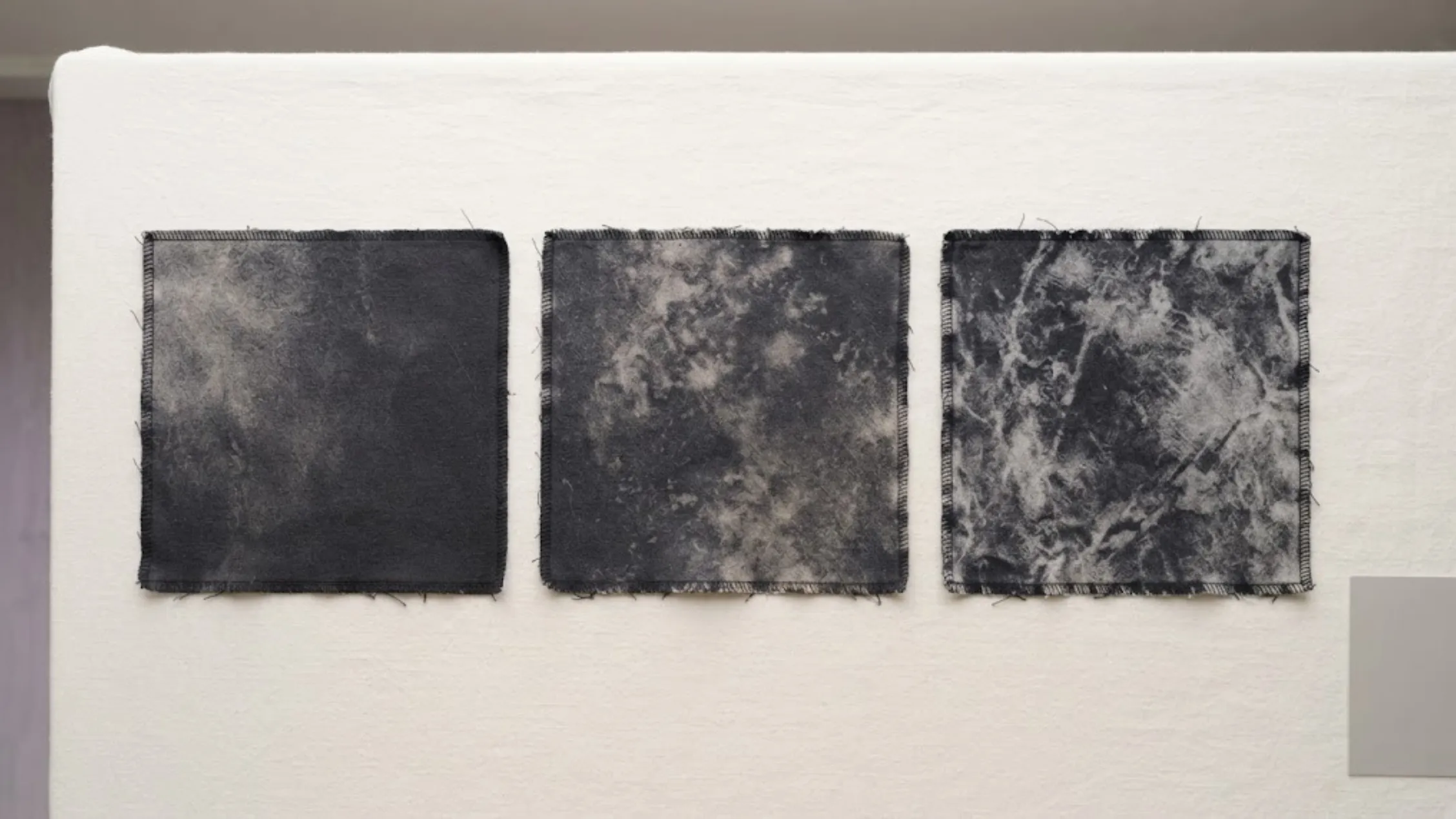
A wash sample establishes a target appearance; it does not mean every bulk garment will look identical. For effects such as acid-wash marbling, agree acceptable light and dark limits and their distribution. Record the approved range with physical references where possible, alongside the sample and written specification.
Screen, puff and digital print
Print samples confirm colour, placement, size and hand feel. Puff printing needs a physical check because raised height and texture are difficult to judge from a photo. Agree colour references and any required wash or durability checks before approval.
Embroidery
Embroidery samples confirm stitch type, thread colour, size and placement. Artwork usually has to be converted into a stitch file first, so send the logo in vector form and state the finished size.
Distressing and hand finishing
Where distressing is applied by hand, placement and intensity can vary between pieces. Mark the intended positions and acceptable variation on the sample or a reference drawing. Confirm the production method for your design rather than assuming every distressed effect uses the same technique.
Why samples need revision, and how to reduce it
Samples may need revisions because of incomplete specifications, material or finishing behaviour, workmanship issues, or design changes. Compare each issue with the agreed brief. Before proceeding, confirm which corrections are covered by the quote and whether a requested change adds cost or time.
- Unstated tolerances. If the tech pack gives a measurement but no tolerance, a piece a centimetre out could be right or wrong. State the allowed range for each point.
- Vague colour and wash descriptions. Words such as "faded" or "dark grey" mean different things to different people. Send a swatch, a photo taken in daylight or a Pantone reference.
- Changing the brief midway. New fabric or artwork after sampling has started can require new development work and extend the schedule. Make changes before confirming the tech pack where possible.
- Feedback that arrives in pieces. Several separate messages can contradict each other. One numbered list avoids this.
- Judging a wash on screen. Screens shift colour. Wherever a finish matters, review the physical sample.
Before paying for development, agree the included revision rounds, any additional-round charges, courier costs and estimated time per round. Distinguish corrections to an agreed specification from changes to the design. Sampling also helps identify expensive construction or finishes before you commit to bulk materials.
Sampling process FAQ
How long does sampling take at FORGEMFG?
How much does a sample cost, and is the fee refundable?
Can I order a sample without a tech pack?
How many revision rounds can I have?
Does the approved sample guarantee the bulk order will match?
What is the minimum order after the sample is approved?
Start your sample
Send your tech pack for a feasibility check
Share your tech pack or a reference, and you will receive a feasibility check and cost estimate within 2 business days. No tech pack yet? We will help you build one.
Dongguan, China · GMT+8 · English support · NDAs on request