Yarn & Fabric Techniques
Custom Yarn & Fabric Techniques for Streetwear Manufacturing
FORGEMFG develops custom heather slub fabrics and jacquard fabrics for streetwear brands, clothing labels and OEM/ODM buyers. Heather slub combines an irregular yarn texture with a mixed-tone appearance, while jacquard builds a pattern into the woven or knitted fabric structure. Both effects are planned before cutting and sewing, then checked during sampling for the intended garment and decoration.
This page explains which technique fits your garment, what affects development, and what information we need for a feasibility check. Our standard garment MOQ starts at 50 pieces per style and colorway. Custom-spun yarn, custom dyeing or original jacquard development may have a separate mill minimum, which we confirm before sampling. For fabric weight and garment use, see our fabrics & GSM guide before choosing a base fabric.
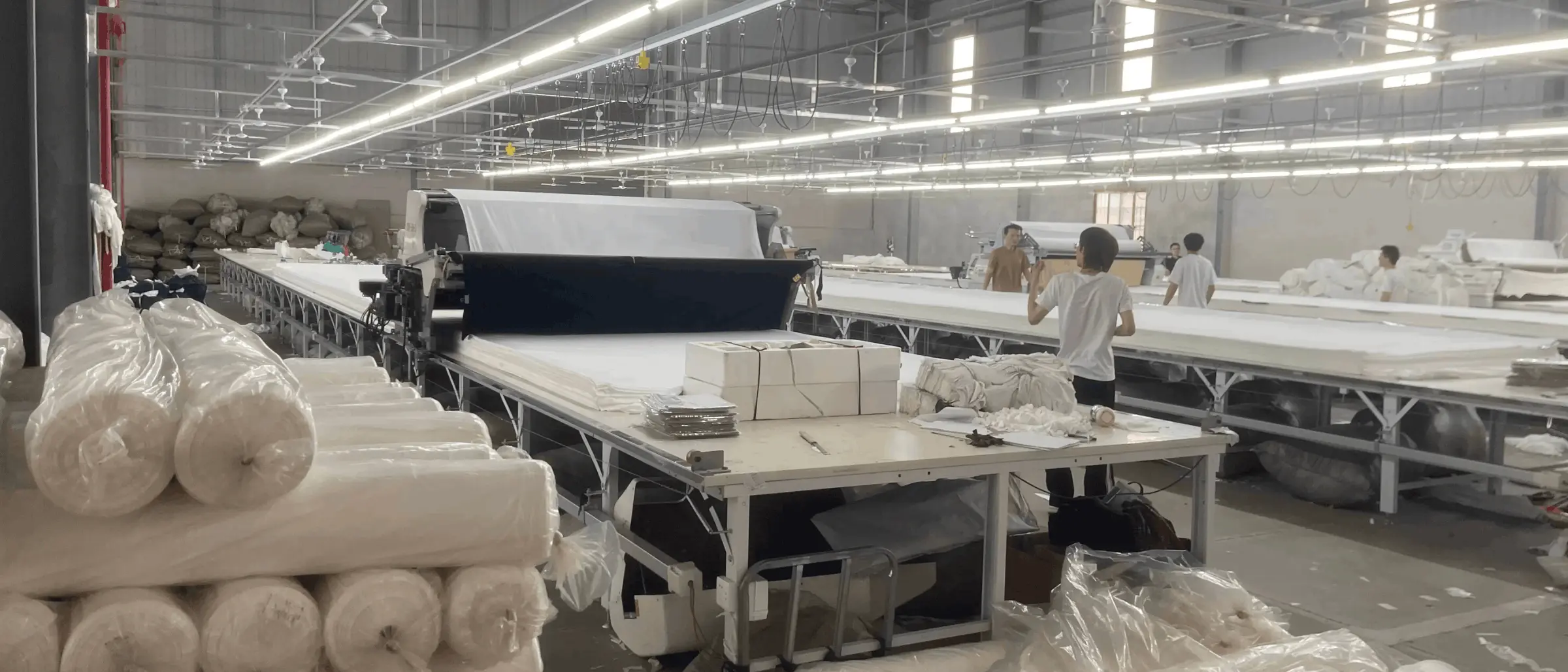
What are yarn-level and fabric-level techniques?
Where these techniques happenYarn-level and fabric-level techniques create texture, color variation or pattern before garment panels are cut. Slub texture is formed while the yarn is spun, while jacquard patterns are formed as fabric is woven or knitted. Garment washing, printing and embroidery happen later and modify or decorate the completed fabric or sewn garment.
These decisions must be made during fabric sourcing and development. A slub structure cannot be added after fabric has been knitted, and a jacquard motif cannot become a woven-in or knitted-in pattern after cutting. Printing, embroidery and selected garment washes can still be combined with either fabric, but compatibility must be confirmed on a physical sample.
Heather slub yarn and jacquard fabric options
Process grid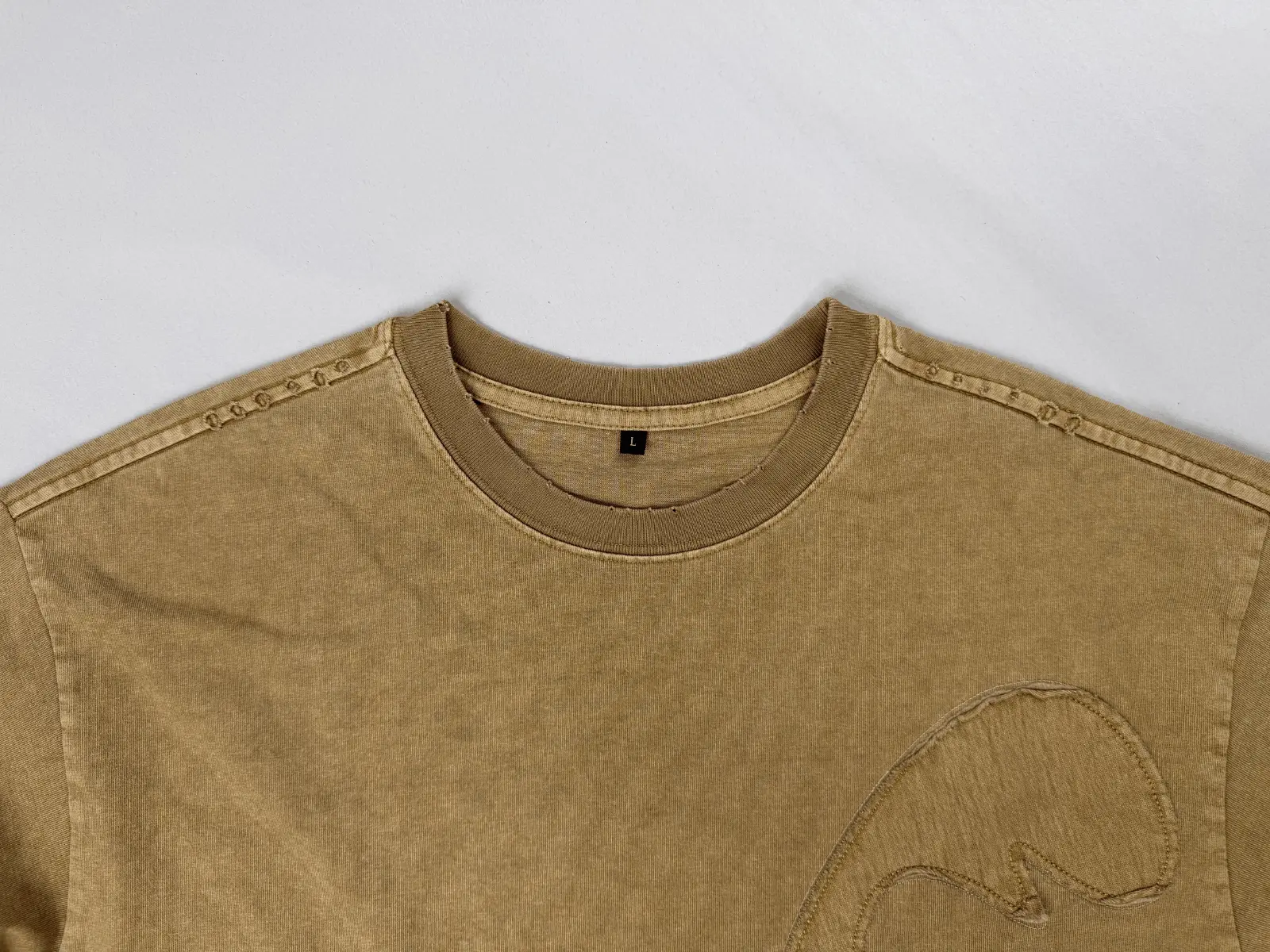
What is heather slub fabric?
Heather and slub describe two separate effects that can be used alone or together. Slub yarn has intentional thick-and-thin sections that create an irregular surface. Heather color blends different fiber or yarn tones to create a marled appearance. Combined in jersey, they produce a textured, mixed-tone fabric suited to T-shirts, lightweight hoodies and casual knitwear.
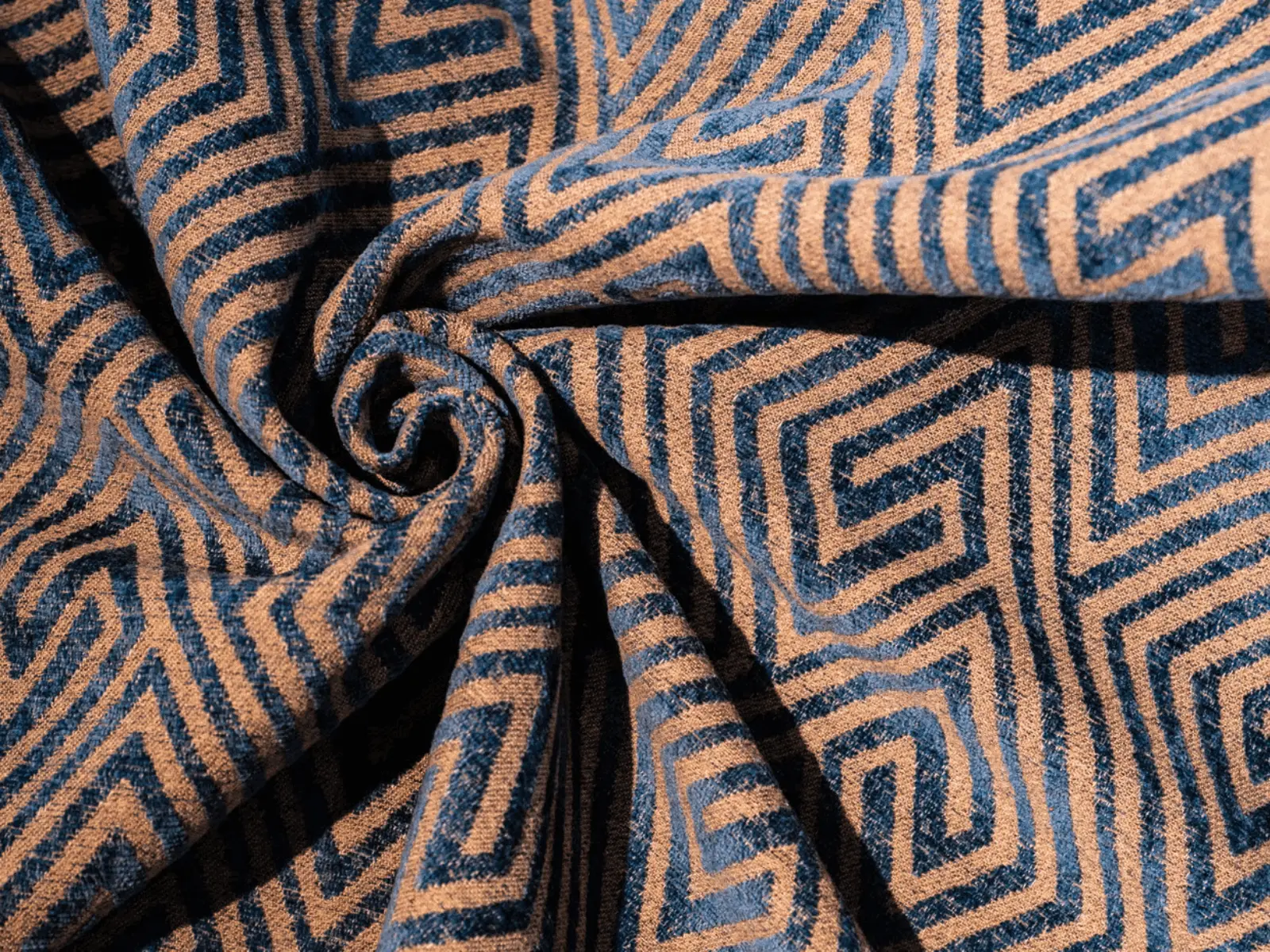
What is jacquard fabric?
Jacquard fabric has a pattern formed directly through its woven or knitted construction rather than printed on the surface. Depending on the yarn, machine and construction, the motif may appear flat, raised, tonal, multicolored or textured. Woven and knitted jacquard require different development methods, so we confirm the correct construction from the garment and reference.
Heather slub vs. jacquard: quick comparison
| Technique | Where it's built in | Visual effect | Typically used on |
|---|---|---|---|
| Heather Slub Yarn | Yarn spinning stage | Irregular slub texture with an optional mixed-tone heather effect | T-shirts, lightweight hoodies and jersey knitwear |
| Jacquard | Weaving or knitting stage | Flat, raised, tonal or multicolored pattern built into the fabric | Sweaters, knitwear, heavier tees, jackets and panels |
Which fabric technique is right for your garment?
Choose heather slub when the garment needs an irregular surface or mixed-tone appearance across the base fabric without a repeating structural motif. Choose jacquard when the artwork itself must be woven or knitted into the cloth. Most heather slub orders run through our t-shirt manufacturing program, because the effect is commonly requested on jersey tees, but it can also be evaluated for hoodies and other knit garments.
Both fabrics can support later decoration, but the surface affects the result. Thick slub sections may reduce the sharpness of very fine print details, and raised jacquard areas may create uneven print contact. Embroidery placement, backing and stitch density also depend on fabric stability. FORGEMFG checks the selected combination during sampling before bulk production.
How does custom fabric development work?
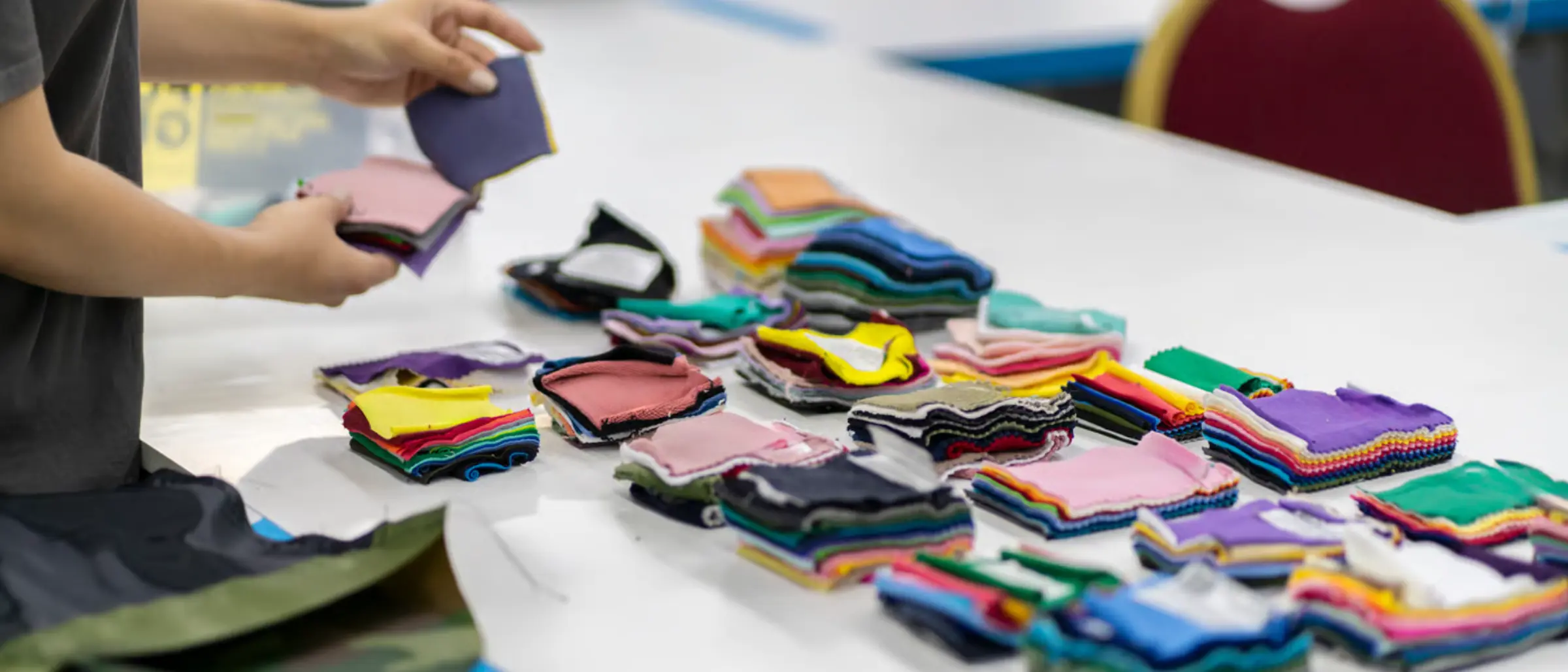
From reference to approvalCustom fabric development starts with the garment type, reference, target composition, fabric weight, colorways, quantity and required decoration. FORGEMFG then checks whether an available fabric can meet the brief or whether custom yarn, dyeing, knitting or weaving is required. The development route, fabric minimum, sample cost and lead time are confirmed before work begins.
A physical sample is used to approve appearance, hand-feel, weight, pattern scale and decoration compatibility. When testing is required, the relevant checks may include fabric weight, dimensional stability, shrinkage, colorfastness or pilling. The exact test plan and acceptance limits must be written into the approved specification before bulk production.
What affects MOQ, lead time and cost?
Commercial planningThe standard garment MOQ starts at 50 pieces per style and colorway, but custom fabric work can carry a separate mill minimum. Composition, GSM, yarn availability, custom dyeing, number of colors, jacquard repeat size, pattern complexity, testing and order quantity all affect cost and timing. A stock or existing mill fabric normally needs less development than a custom-spun yarn or original jacquard construction.
Send the garment type, target quantity, colorway count, composition, GSM, artwork or reference photo, decoration method, delivery date and destination country for an accurate feasibility review. FORGEMFG will identify the suitable route and confirm any fabric minimum before you approve sampling.
Frequently asked questions about custom streetwear fabrics
What's the difference between a yarn technique and a wash or print technique?
What is heather slub yarn?
What is jacquard fabric?
Can heather slub or jacquard fabric be combined with printing or embroidery?
What's the MOQ for custom yarn or fabric techniques?
What information is needed for a fabric feasibility check?
What affects the cost of custom jacquard fabric?
Do you offer yarn or fabric techniques beyond heather slub and jacquard?
Ready when you are
Have a fabric reference photo? Start with a quote.
Send your garment type, quantity, target GSM, composition, colorways, decoration method and reference image. We will assess whether heather slub, jacquard or another available fabric route is the closest fit.
Reply within 24h · GMT+8 · English OK · NDAs signed on request