Fabric GSM & Weight Guide
GSM of the fabric is the one specification that dictates the drape of the garment, its photography and the cost of production. This is the practical guide that we give our clients before their first tech pack.

Why GSM comes before anything else
Weight drives everything elseGSM means grams per square metre – the weight of one square metre of the material before being cut into the garment pattern. The measurement does not depend on the kind of material, so this is why GSM serves as a universal language for designers and cutting tables in Dongguan. The two fabrics can differ greatly due to the composition and knit structure, but both parties agree on one GSM number before going to quotations.
In our production process, GSM affects three major points: drape and photo effect of the product, the amount of fabric used in a size range, and landed cost per piece, considering the weight of freight. If the garment doesn't have the right weight for its silhouette, there's nothing a good print job or perfect sewing can do about it.
The first time GSM makes an impact is in product photography. For instance, a shirt with improper GSM will crease and cling, making it look cheap on camera. In addition, a hoodie with improper GSM will appear stiff and bulky in the wrong places when the customer expects some drape. Most of the changes requested in samples are not about print placements or colors – a customer asks for another GSM after seeing photos.
Weight ranges used in actual production, per style
Starting points, not rulesThese are the ranges that most of our production is within. You might be trying to make something that exists outside of one of these ranges, like a cropped hoodie using a lower weight or an overshirt using a higher weight.
| Garment | Typical GSM range | What it feels like |
|---|---|---|
| Lightweight T-shirt | 160–190 GSM | Soft drape, warm-weather wear, single-jersey |
| Standard streetwear T-shirt | 200–240 GSM | Structured shoulder, holds a print without curling |
| Heavyweight T-shirt / box tee | 250–280 GSM | Boxy fit, thick hand-feel, minimal show-through |
| Crewneck sweatshirt | 300–340 GSM | Substantial but not stiff, everyday layering |
| Heavyweight streetwear hoodie | 380–450 GSM | Dense fleece back, holds shape through washing |
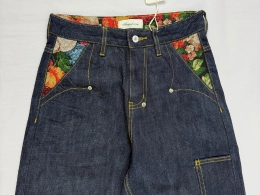
| Mid-weight denim | 10–12 oz (340–405 GSM) | Everyday jean, softens with a handful of washes |
| Raw / selvedge denim | 13–16 oz (440–540 GSM) | Rigid at first, ages into a personal fade pattern |
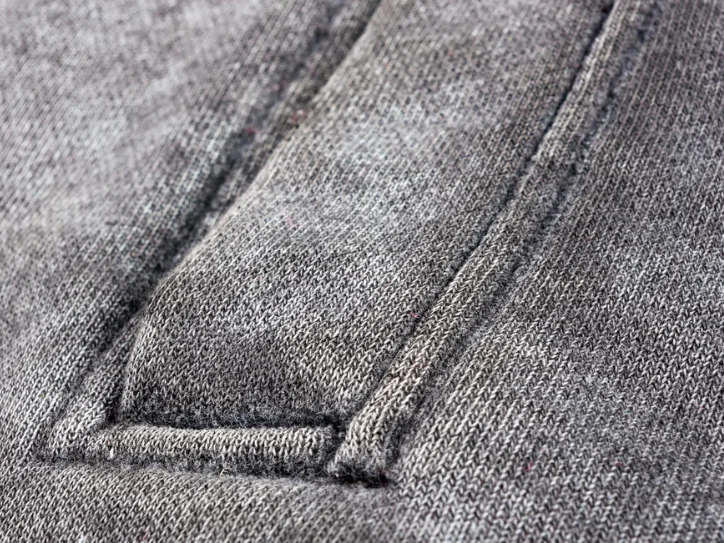
Why heavyweight hoodies start at 380 GSM
A hoodie under 380 GSM starts to feel like a mid-layer rather than a standalone piece — it isn't heavy enough to hold a boxy fit and carry graphics cleanly. Most of our acid wash and snow wash hoodies start at 400 GSM and above, since washing removes some of that weight (see garment washing).
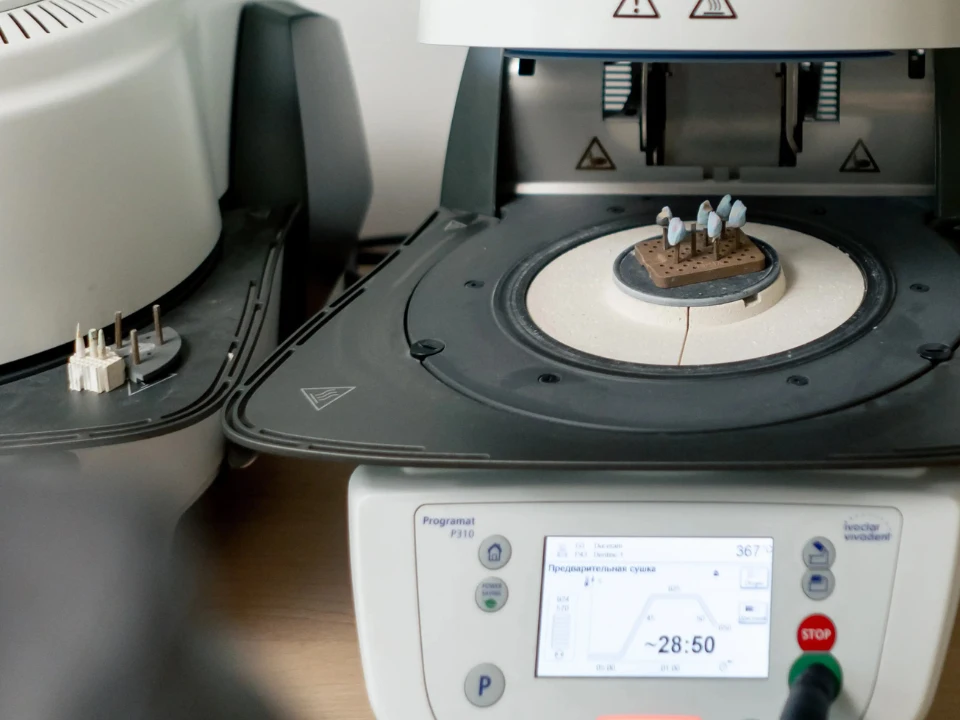
100 cm²: Cut and weigh the piece on a scale
GSM is easy to determine in practice; all you need to do is cut a certain size piece of fabric, condition it, weigh and then scale the weight to account for one square metre of fabric. It is done fast enough to be run on every fabric roll received at the mill, not just the sampled yardage.
The industry standard test for fabric GSM measurement is ASTM D3776, which provides the guidelines as to the ways fabric mass per unit area can be measured. We specify GSM using this test, and hence, when quoted in the tech pack, it becomes comparable with your GSM value.
Some degree of discrepancy between the sample and the bulk, usually 3 to 5%, is a common occurrence and is within standard fabric weight tolerance for different dye lots. If there is a larger difference between the sample and bulk, it gets spotted and re-approved before the bulk cut is done.
The reason why two fabrics of the same GSM feel different
Weight isn't the whole storyGSM gives information about the weight of a fabric, but not about its construction or fiber content – that's why a 220 GSM 100% cotton single jersey and a 220 GSM cotton-poly fabric are listed with the same spec numbers and may have completely different characteristics in real life. The yarn, fiber content, and knit or weave density are additional factors affecting the weight and changing the feel of the fabric. The buyer who specifies only GSM of the fabric and expects it to meet his requirements may get a product with the required GSM, but which feels completely different.
The yarn spin factor is more important than many buyers expect. For example, the 200 GSM tee produced from the ring-spun cotton is smoother and denser, compared to the same weight tee manufactured from the open-end cotton yarn: the latter is less expensive, but its surface is coarser. The same rules are applied for the combed vs carded cotton: the former is more expensive, as the process of removing short fibers during manufacturing takes place; however, its texture is better at any weight.
The knit or weave construction changes everything. For example, an interlock knit fabric of 200 GSM behaves differently than the jersey of the same GSM – the first one retains its shape better and doesn't curl, and the latter drapes well, but loses its shape much faster due to its elasticity. In woven fabrics like denim, the weave tightness changes the fading process and the overall wear properties of the material independently of the GSM.
GSM is a starting point, not a final answer. Once you get the GSM range right, request a swatch or prototype before approving the tech pack; you will be surprised at how quickly the hand-feel test will reveal problems in the GSM specification.
The impact of GSM on your landed cost
The line item that moves the mostThe biggest cost element in the price structure of a garment, apart from labor, is fabric, followed by trims and any print or wash finishing. As a result of this, GSM is nearly linearly related to the cost of fabric per unit. Increase the GSM of a tee from 200 GSM to 240 GSM, the cost of fabric per unit is expected to rise by nearly the same percentage increase, not considering that the higher the GSM of a garment, the higher the air or sea freight per unit.
For that reason, when a buyer specifies a higher GSM in the design compared to what the design really requires, it is rarely an issue of profit protection but rather ensuring the additional GSM adds value to the product rather than being a higher number on the specification sheet.
To give you an approximation, an increase in GSM of a streetwear tee from 200 GSM to 240 GSM increases the fabric cost per piece by around 15%-20%, plus some on account of higher cost per unit because of the increased weight of the garment when quoting for sea and air freight. When doing a run of 500 pieces, this additional cost is generally insignificant, but for a multi-thousand-piece order, the weight should be checked to ensure it is intentional. Use GSM as a filter, not the ultimate criterion — request a physical swatch or a pre-production sample before locking in the weight range.
Two fabric techniques where weight does the heavy lifting
Yarn & fabric techniques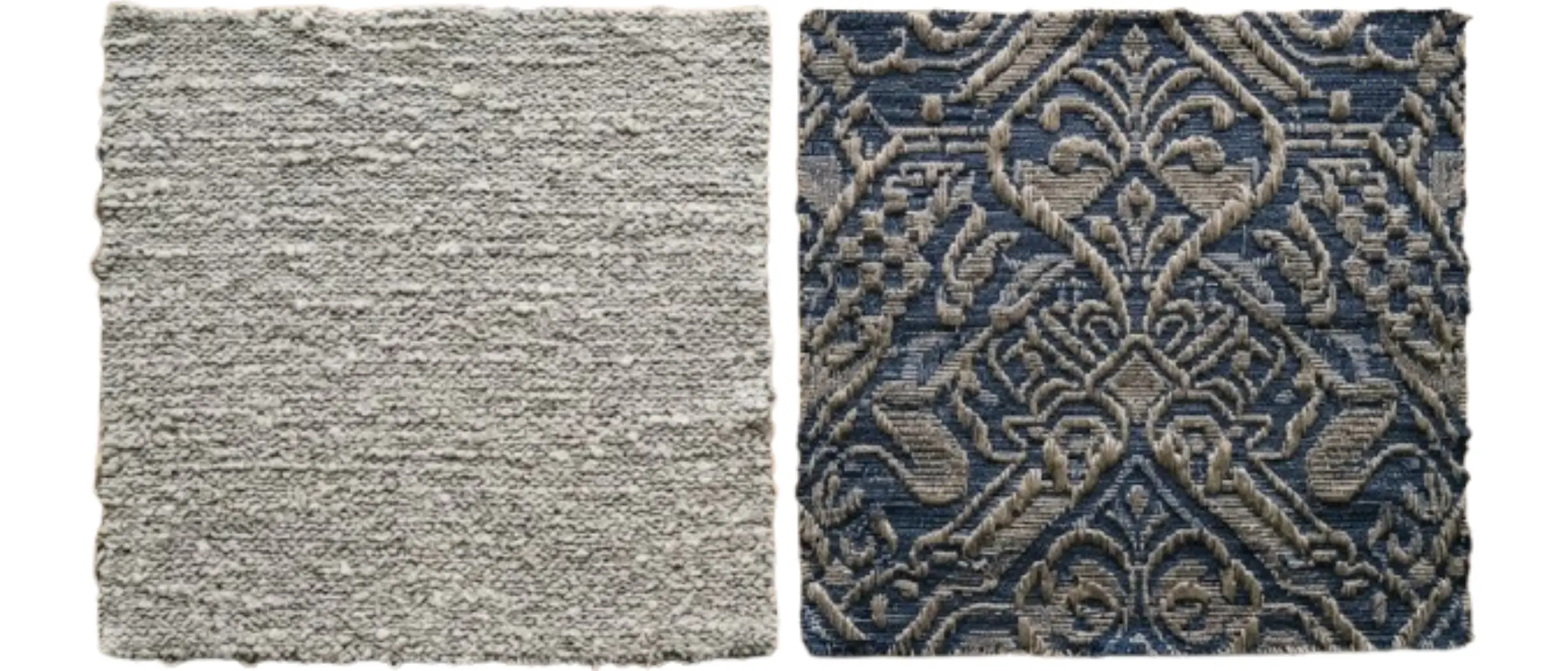
Some processes have as much to do with weight as aesthetics. The Heather Slub fabric is made from a process in which thick and thin yarns are used in a way that does not increase the weight of the fabric much but creates an aesthetic appearance. On the other hand, the Jacquard fabric incorporates the print in the very construction of the fabric, which means the addition of weight as well as the addition of the design element.
Where GSM shows up in our product line
See it on the garment
Frequently asked questions
GSM, straight answersWhat does GSM mean on a fabric spec sheet?
What GSM should I choose for a heavyweight streetwear hoodie?
Does a higher GSM always mean better quality?
How much does fabric weight affect my landed cost?
Can I mix GSM within the same style, like a hoodie with a heavier hood lining?
Will my fabric weight change between the sample and bulk production?
Know your weight? Let's cost it
Send the GSM. We'll send the quote.
Tell us the garment, the weight, and the wash or print you're after — full details on MOQ & pricing and a cost estimate back within 2 business days.
Reply within 24h · GMT+8 · English OK · NDAs signed on request