Heather Slub Yarn
Heather Slub Yarn Fabric Technique
Heather slub yarn combines mottled color with deliberate variations in yarn thickness. Heather describes the mixed-color appearance; slub describes thicker sections along the yarn. Knitted into jersey, the combination creates visible color variation and surface texture. Composition, weight, softness, and wash performance depend on the selected fabric construction.
Heather effects can come from blending differently colored fibers before spinning or from differential dyeing of suitable fiber blends. Slub effects are created by controlled changes in fiber feed or drafting during spinning. The two features can be used separately or combined; neither determines a single fabric weight.
FORGEMFG sources yarn and fabric against the approved specification. This guide covers the technique, decoration, and approval checks; explore heather slub T-shirts for garment options. Prepared by Andy Yu for FORGEMFG. Confirm material availability and the final specification during sampling.
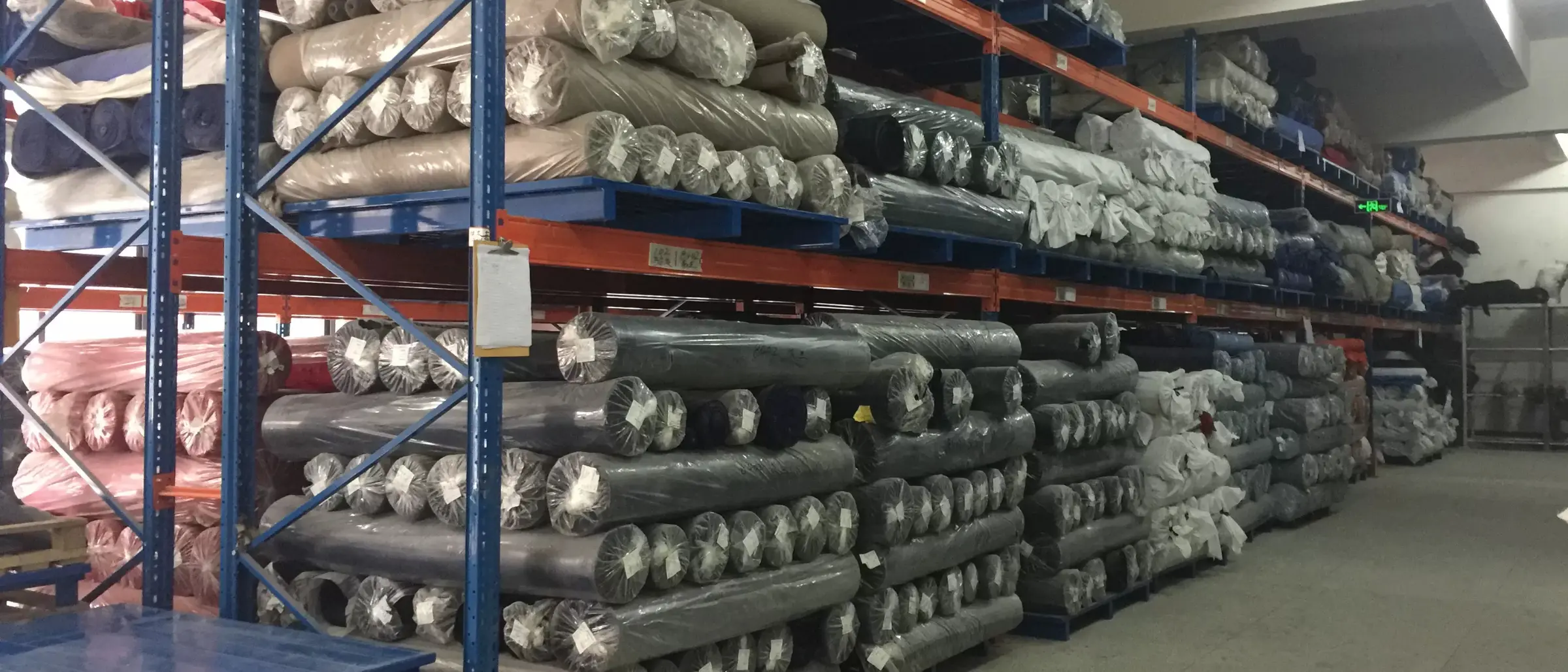
How heather slub fabric is made
Process · 3 stages-
 01
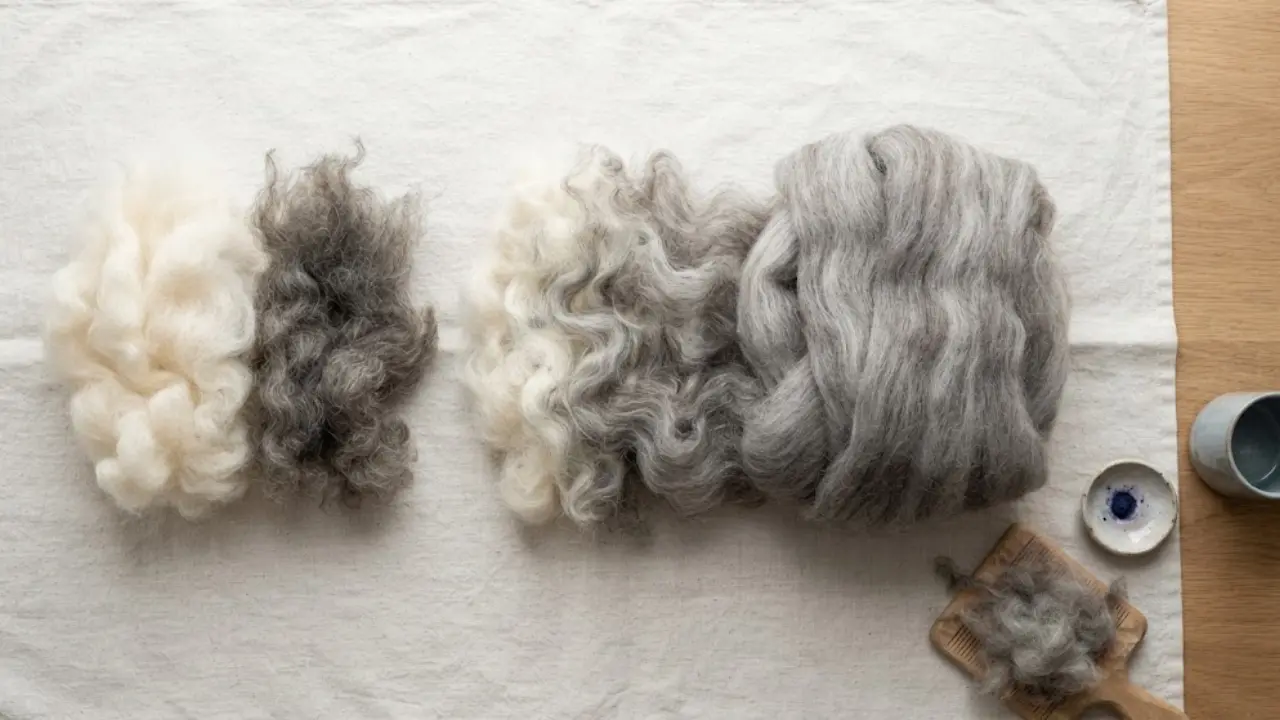
Blend the fiber colors
For the precolored-fiber route, blend selected fiber colors before spinning to create the heather tone. Differential dyeing is another route for suitable blends; confirm which process the chosen fabric uses.
Sets the heather tone -
 02
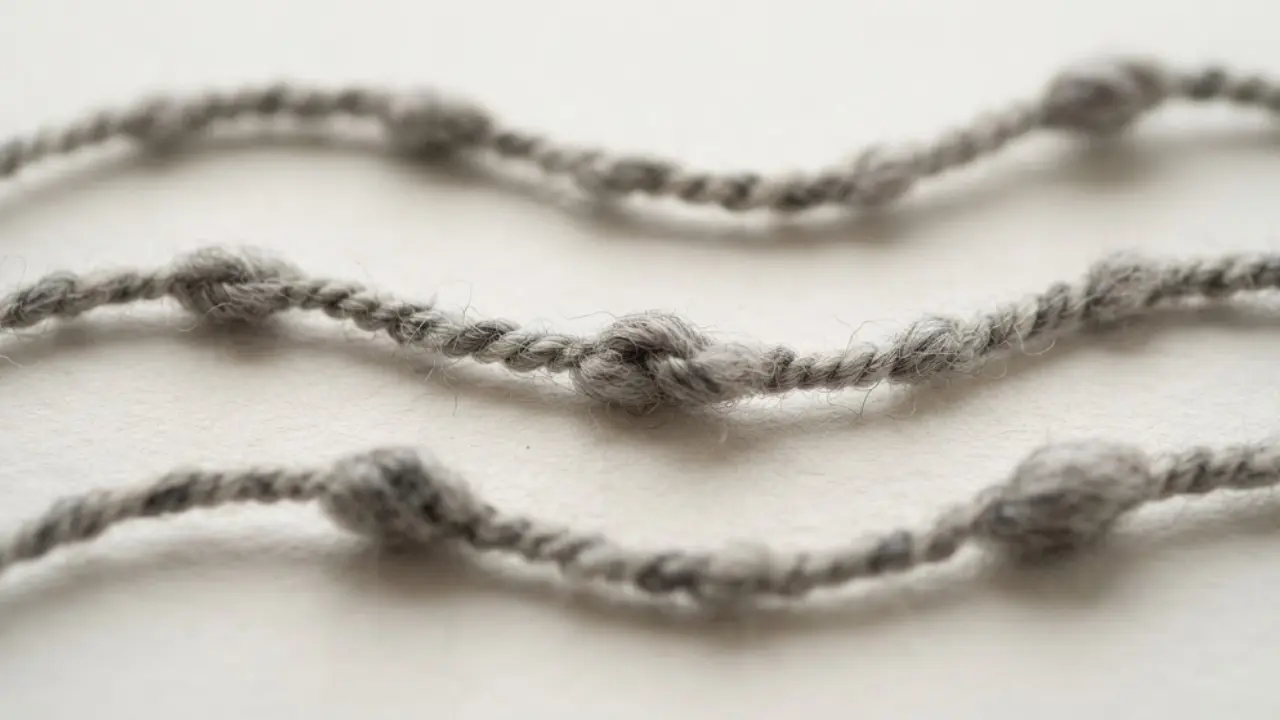
Create the slub profile
Controlled changes in fiber feed or drafting create thicker yarn sections during spinning. Specify slub length, thickness, and spacing; the pattern may be programmed or irregular rather than necessarily random.
Sets the surface texture -
 03
Knit and approve the fabric
Knit the yarn to the selected construction and finished weight. The featured option is 220 GSM jersey; compare shade, slub appearance, and wash behavior against the approved sample before cutting.
Checked against swatch
Fiber blend & fabric spec
What to put on the tech pack| Property | Specification to confirm |
|---|---|
| Fiber blend | Cotton/polyester and rayon-blend options; confirm exact percentages and availability. |
| Fabric weight | Featured option: 220 g/m² single jersey. Agree finished weight and tolerance. |
| Slub character | Fine slub appearance; agree thickness, length, spacing, and the reference swatch. |
| Colorways | Heather grey, navy, and charcoal references; approve the actual shade and dye route. |
| MOQ & sampling | Starting garment MOQ: 50 pieces per style/colorway, subject to fabric availability. Custom yarn or color development may have separate minimums. |
Specify exact fiber percentages, yarn count where relevant, finished width, weight tolerance, and the intended finishing route. Agree shrinkage, spirality, pilling, and colorfastness requirements using named test methods and acceptance limits. The composition alone does not establish softness, durability, or texture retention.
The quoted sampling target is 7–15 business days; confirm the start date, approvals, material procurement, and shipping separately. Custom yarn development may extend the schedule. Use the sampling process and tech pack support pages to prepare the request.
Heather slub vs. other jersey fabrics
Four related fabric appearancesSmooth solid-color jersey has a generally uniform color and relatively even yarn. Smooth heather jersey adds mottled color while retaining relatively even yarn thickness. Heather is a color description, so it does not by itself determine softness or drape.
Solid-color slub jersey combines a generally uniform color with deliberate yarn-thickness variation. Heather slub jersey combines both mottled color and slub texture. These are appearance descriptions; compact spinning is a separate yarn-production characteristic, not a synonym for plain or solid-color fabric.
Choose smooth jersey for a more uniform surface and slub jersey when visible texture is part of the design. Compare physical swatches using the intended garment, decoration, and wash process. A heather or slub appearance alone does not guarantee a particular handle or level of performance.
There is no universal price order. Fiber quality, blend, yarn count, stock availability, quantity, and finishing all affect cost. Custom heather colors and slub development may add cost or minimums; compare quotations at the same finished weight, composition, quantity, and finish.
Printing & embroidery on slub fabric
- Fine linework and small text — test edge definition on the chosen fabric. Surface variation may interrupt coverage; approve the actual artwork rather than assuming a universal minimum line width.
- Bold graphics and larger text — check opacity, coverage, curing, and washed appearance with the selected screen-printing process. Larger artwork still requires sample approval.
- Embroidery — approve backing, stitch density, and the finished sew-out. Check puckering and surface distortion before and after washing; texture does not guarantee trouble-free embroidery.
- Dye and print interaction — fiber composition and finishing influence decoration results. For polyester blends, assess dye migration where relevant to the ink and curing process; approve a decorated sample.
Dyeing & garment-wash compatibility
Precolored fiber blending, yarn dyeing, piece dyeing, and garment dyeing are different stages or routes. Suitable blended fibers can develop a heather effect through differential dyeing; existing heather fabrics may also be overdyed. The result depends on fiber chemistry, colorants, and process conditions, not simply on two starting colors absorbing dye at different rates.
Color applied before knitting is not guaranteed to remain unchanged through every wash. Approve a lab dip where applicable and a trial using the intended garment-wash recipe. Check shade, colorfastness, shrinkage, strength, and slub appearance. Aggressive treatments need specific trials; follow the care conditions validated for the finished garment. See the CottonWorks dyeing reference for fiber-blend dyeing principles.
Keeping slub consistent across a bulk run
Approve the fabric and the lotSpecify the slub profile using thickness or mass increase, length, and spacing/frequency, together with an approved fabric swatch. Match the overall distribution and heather shade under agreed lighting; identical placement in every garment is not the acceptance target. These parameters are described in Uster’s slub-yarn measurement reference.
AQL acceptance sampling and fabric performance testing serve different purposes. Agree the inspection level, defect categories, and acceptance limits separately from colorfastness and wash-test methods. Retain the master swatch and review each new material lot; source, shade, or finishing changes may require renewed approval. Consult our quality-control process and request the relevant test results before approving bulk.
Where heather slub yarn gets used
Heather slub jersey is used for T-shirts when mottled color and visible texture are part of the design. The featured 220 GSM option is a fabric specification, not a fixed weight for all heather slub yarn. Compare handle, opacity, drape, and washed appearance in a sample. Explore heather slub T-shirt options for garment development.
Heather slub yarn can also be used in other knit constructions for lightweight layers, hoodies, or crewnecks. Confirm the construction and finished weight for the intended garment; a 220 GSM jersey should not be treated as equivalent to a fleece or French terry fabric of a different construction.
Frequently asked questions
What is heather slub yarn?
How is heather color different from slub texture?
Does heather slub fabric always weigh 220 GSM?
Can heather slub fabric be printed or embroidered?
Can heather slub yarn be 100% cotton?
What should a buyer specify before ordering?
Can heather slub fabric be garment-dyed?
Do custom yarns change MOQ, lead time, or reorder approval?
Ready when you are
Want to feel the fabric first? Request a swatch.
Request an available swatch before garment sampling to assess color, texture, and handle in person. Include your target composition, weight, quantity, and artwork for a feasibility review. We will confirm swatch availability, sampling schedule, and the quotation scope.
Reply within 24h · GMT+8 · English OK · NDAs signed on request