Factory decoration capabilities
Custom Streetwear Print & Embellishments
FORGEMFG offers custom printing and garment embellishment services on hoodies, T-shirts, jeans, and cut-and-sew garments. We have core techniques such as screen printing, puff printing, embroidery, DTG, DTF, and hot-fix rhinestone embellishments. Every finish is pre-tested on the approved production fabric prior to large-scale production runs.
The weight, surface, stretch, and construction of the fabric impact the result. The same graphic may have a different appearance on jersey, brushed fleece, and rib fabric. We approve the color, placement, and feel as one and use the approved sample as our production guideline. Our regular order quantity starts from 50 units.
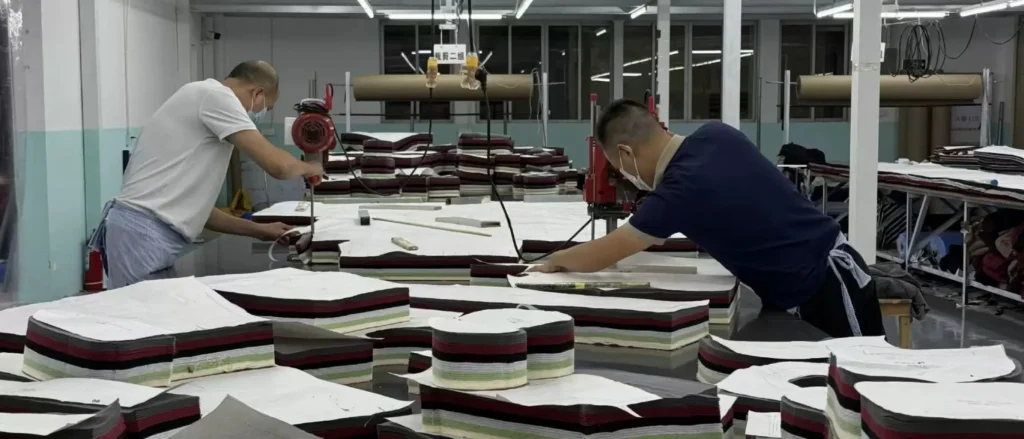
Five methods to embed the graphic in the garment
Match artwork, fabric, feel, and volume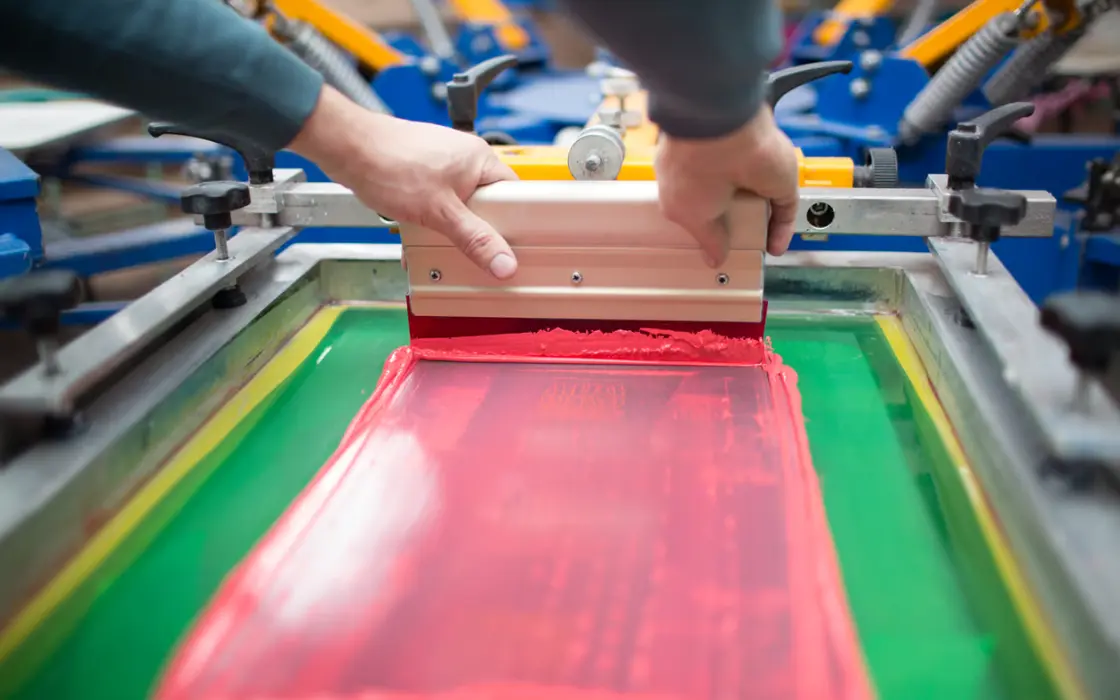
Screen printing
Optimum technique for large areas, strong color and spot colors, and for repeated jobs. The mesh number, underbase, ink formulation, and curing parameters are matched to the fabric. Usually the most economical option when the screen setup cost is distributed among many units.
Compare screen printing →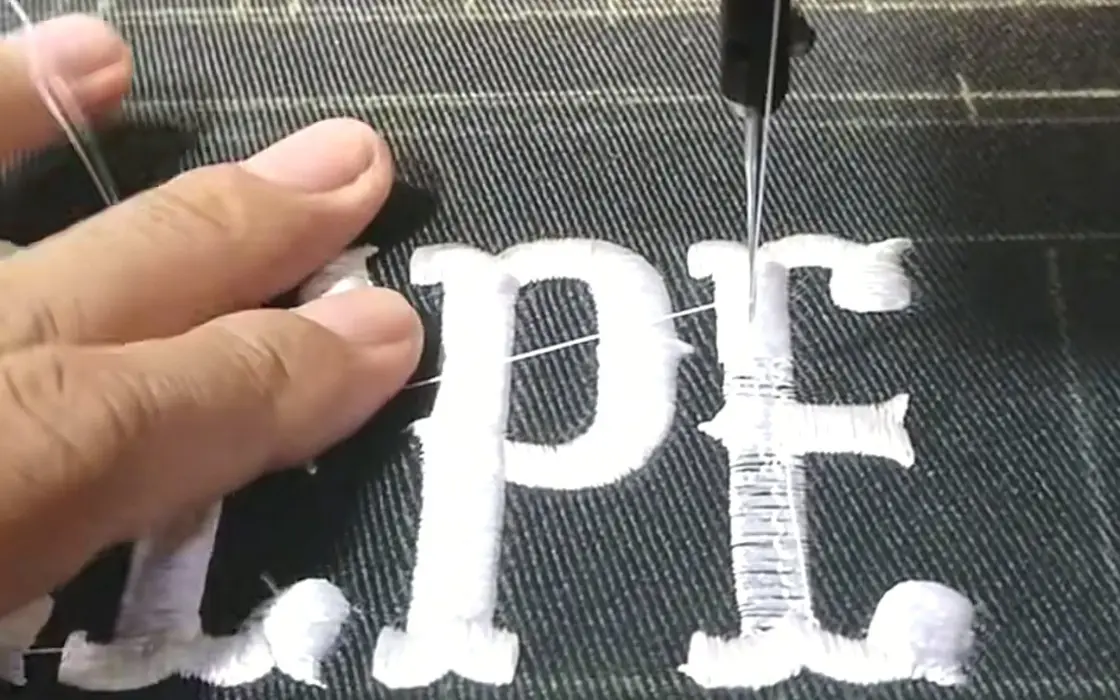
Puff printing
Heat-activated ink raises the design in its curing process, requiring careful consideration of line weight and spacing. We authorize the elevation and edges on a test strike-off.
Compare puff printing →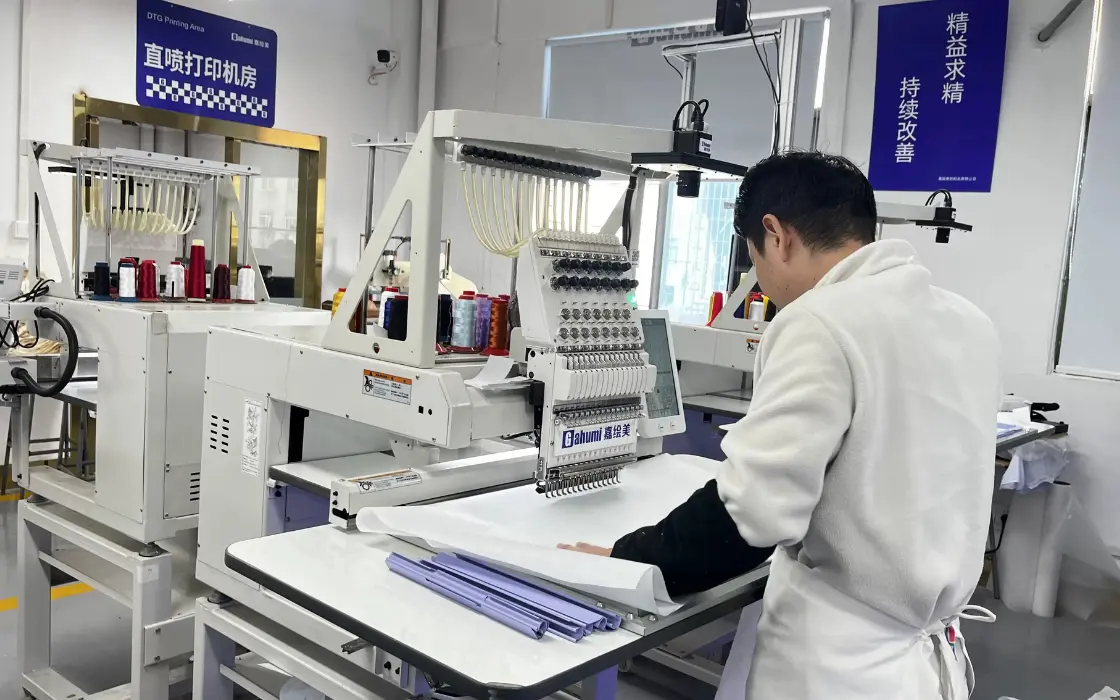
Embroidery
Provides structure and a dimensional effect to the logos and artwork. Factors like digitization, density, threads, and backing are crucial to the process. We always do a test sew-out before the main stitching.
Compare embroidery →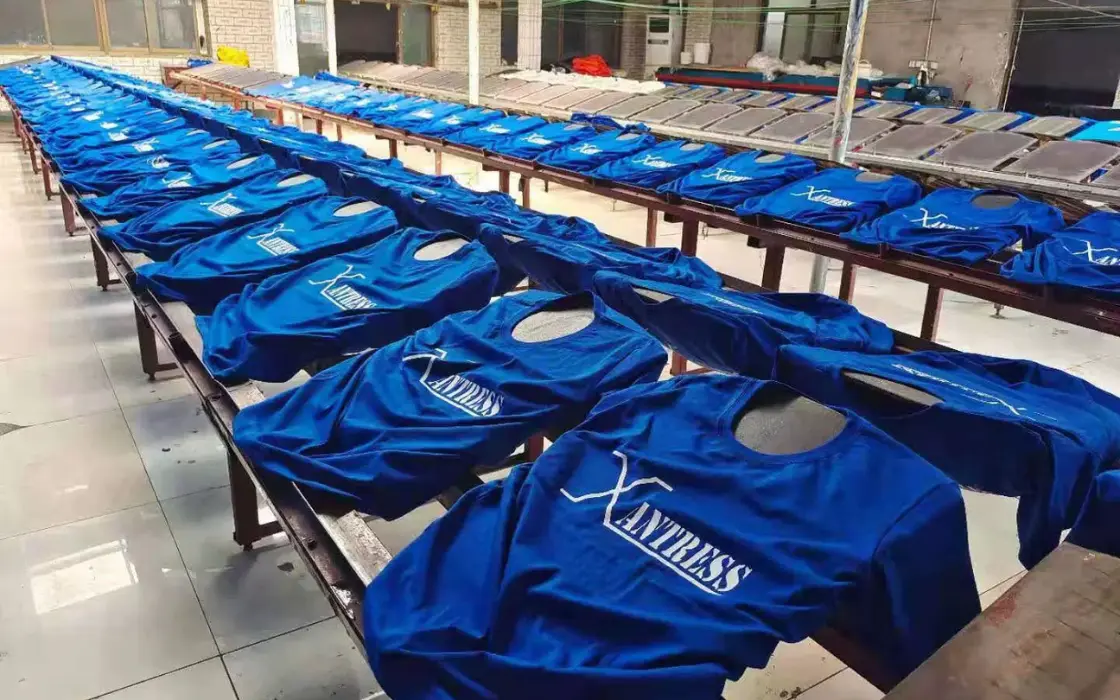
Digital printing: DTG and DTF
Digital printing deals with many color shades and gradients through a photo-realistic print process where there is no need for screens for each color. DTG prints the design directly onto appropriate fabric, and DTF applies a printed film. The method to be used depends on fabric, artwork, order size, and desired feel.
Compare DTG and DTF →Hot-fix rhinestones
Adding rhinestones to an artwork will not affect the base pattern. Size, spacing, adhesive temperature, and pressure are optimized for the chosen fabric. The placement template ensures repeatable positions throughout the run.
Compare hot-fix rhinestones →Comparing methods practically
The material will be the last wordThe artwork alone doesn't dictate the method. The amount of the art, fabric surface, stretch, and the desired feel will make the difference. The following chart provides a great guide to consider before testing the fabric itself.
| Method | Best match | Recommended surfaces | Surface feel | Primary production control |
|---|---|---|---|---|
| Screen printing | Bold graphics and repeat art | Smooth jersey and fleece | Soft to sturdy | Registration, ink deposit and curing |
| Puff print | Raised lettering and graphic accent | Stable jersey and fleece | Dimensional and tactile | Expansion, line spacing and curing |
| Embroidery | Logo, badge and durable artwork | Jersey, fleece, denim and panel | Stitched and structured | Digitizing, density and backing |
| DTG / DTF | Artwork that's detailed or colorful | By the method; test first | By the method | Pretreatment or transfer adhesion |
| Hot fix rhinestone | Reflective decorative accents | Heat-stable surfaces | Individual raised stones | Placement, heat, pressure and bond |
DTG and DTF are two different processes
Select based on fabric, opacity, and handDirect to garment
Where DTG applies
DTG printing involves printing the ink directly onto the fabric. The technique is suitable for photographic detail, gradients, and multicolor on appropriate cotton fabrics. Pre-treatment, fabric color, ink opacity, and curing will influence the result; hence, we will approve the print on the production fabric.
Direct to film
Where DTF applies
DTF involves printing the design onto the film before heat transfer. This method suits detailed and multicolor artwork on a variety of appropriate fabrics. Transfer film, adhesive, temperature, pressure, and cooling are the factors that control the bonding and hand; hence, stretching and adhesion are considered in the development phase.
Making decisions about decoration techniques
Four things before samplingFirst of all, it's not just about which finish would look better on the screen. Our first task is to examine the artwork structure, the type of fabric it will go onto, how many garments are going to be made, and what texture they will have once ready. What works great on a 220 GSM jersey might behave differently on 450 GSM brushed fleece. Rib, mesh, nylon, and washed cotton will all bring additional restrictions.
Artwork structure is the first thing we consider. Artworks composed of solid shapes with a controllable number of colors are perfect candidates for screen printing. When an artwork consists of tonal transitions, photographic quality images, and a wide range of colors, it usually means that a digital method would be better. Puff ink will need enough space to expand without closing small openings. Embroidery requires stitchable shapes and sensible details at a requested size. Rhinestone artwork should be converted into stone positions.
Order quantity influences our decision, as well. Screen printing involves the preparation of screens for each color, and therefore it makes sense when you can distribute the setup cost over several orders. Digital methods exclude the necessity of preparing screens and will be helpful in the case of artwork with many colors and smaller development orders. The cost of embroidery depends on stitch count, size of the design, and machine time. In the case of hot fix, the cost will depend on the number of stones and the difficulty of applying a transfer template.
Hand-feel of the final product is as important as its visual look. Some clients prefer the feeling of a thick ink layer, while others would appreciate it to be soft and merge with the garment. A large embroidery area might turn out to be too dense and thus too hard, while the wrong choice of backing can still be visible and uncomfortable for the client. It's discussed beforehand with the client rather than fixed during production.
Production-ready artwork for bulk reproduction
Information for production, not for presentation of artworkA picture is worth a thousand words, but sometimes a picture does not convey enough information for production. Production artwork needs to indicate the finished dimensions, the positioning, the colours, and the necessary decoration method. Vector files are preferred for separated screen-print colour separation, puff artwork, embroidery digitizing, and rhinestone map because lines and shapes will keep their dimensions when resized. Raster files at the resolution of print can be used for photographic DTG or DTF prints.
Positioning requires fixed references. "Centered on the chest" is not the same for all sizes and all operators. An appropriate reference measurement can be taken from the high point shoulder, center front, neckline seam, pocket edge, etc. If the graphic is oversized, we check its position on different sizes and grades as well. The print that suits nicely on an XL body needs adjustment so that it does not crowd the armholes on a small garment.
Colour references need to be practical. The Pantone Matching System is widely applied for inks and thread selection, but screen and textile colours will never be judged accurately on two uncalibrated screens. The reference is compared under consistent lighting conditions, and the production target is defined. The digital artwork should include the colour profile to use. Embroidery files should include the necessity for an exact thread reference or for a close stock-thread match.
Small details need to be evaluated early. Negative spaces can close if puff ink expands. Small typefaces can lose readability in embroidery as each stroke becomes a stitch path. Stones placed closely to each other may move during the heat setting process. Fine digital details can be produced well but can look too dense if they are printed inside large areas of transfer film. We mark these potential problems at the evaluation stage and suggest minimum changes to the artwork if necessary.
Process order
Approval is done before mass decoration
We begin by analyzing the artwork and placement. Base fabric and garment structure analysis follows. Strike-off, puff test, sew-out, digital print test, or rhinestone placement test is carried out on the fabric that will be used in bulk. You will approve this before mass decoration is carried out.
If the design consists of many types of fabrics or colorways, then it should be noted that a single test does not automatically apply to all the fabrics. Light garments require a different underbase than dark garments, and the same thread density behaves differently on jersey and fleece. We determine which variations require separate approval.
- Artwork checked for scale, line weight, and color information
- Placement done from the reference points in the garment
- Decoration is carried out using the approved bulk fabric
- Color and texture analyzed in uniform light conditions
- Bulk decoration compared to approved sample
Controlling consistency using the bulk run
Approved Sample → Production StandardThe signed strike-off or sew-out will then become the standard for production. The operators will not evaluate the bulk run based on the picture sent via phone or the concept mock-up. Rather, they will compare it with the approved sample and measurements taken. This ensures that all decisions will always be made by referencing a tangible item.
In screen and puff printing, the team will track down registration, ink viscosity, and deposit and curing conditions. Since temperature and other factors may impact the results of the printing, monitoring should be done throughout the run and not only during the first printed garment. For the puff print, evaluation will only take place after the print has been dried because the end result cannot be seen yet while it is still wet.
Embroidery is examined in terms of thread density, tension, puckering, broken stitches, and cleaning. The fabric backer and needle should be appropriate for the selected material. Color consistency, edge quality, signs of pretreatment or transfer, and adhesion of the printed pattern are checked in case of DTG and DTF prints. Rhinestones are tested to check for missing stones, proper alignment, and bonding of the applied stones once the panel cools down.
The decoration is evaluated when the garment is inspected as the final product. It may have a perfect print, but if it is not properly positioned, located too close to the seam, has improper dimensions, etc., it will be rejected. During the pre-shipment testing, the decorated garment will be assessed as one complete piece, taking into consideration its appearance, measurements, construction, and packing, rather than considering decoration as a separate stage.
In case of certified materials, the certificate should cover the selected material and be valid for the production volume. OEKO-TEX Standard 100 requirements may be viewed by the buyers in order to check the validity of the material certification.
Develop the decoration within the garment
Not just an afterthoughtThe most consistent results will be achieved when decorating is part of the process along with pattern and fabric development. With T-shirt production, we factor in the stretch of jersey and the feel of prepping and printing. In hoodie production, we design around the thickness of fleece, pockets, seam lines, and double layers. Doing so helps to keep artwork out of the construction area and maintain proper proportions between the approved design and the production garment.
Submit artwork at actual size whenever possible with Pantone colors and placement specifications. When this information is not available, we can create a production plan based on your visual reference.
FAQ
Before creating artworkWhich printing process will suit my streetwear graphic the best?
Can several embellishing processes be applied on one garment?
What kind of artwork should I send for printing or embroidery?
What is your procedure for print and embroidery quality control?
Are you able to embellish T-shirts as well as hoodies?
Begin with your artwork
Looking to match finishes? Provide us with the artwork.
Provide your garment/artwork size, fabric type, and estimated quantity. We'll provide guidance on the process and give you the correct sample for approval before mass production.
Respond within 24 hours · GMT+8 · English-speaking support · NDA available