Services · Shipping & Lead Time
Garment Lead Time and Shipping for Streetwear OEM Orders
FORGEMFG coordinates streetwear production in Dongguan, China, with pre-shipment inspection and sea or air shipping. Your delivery schedule depends on sample approval, material availability, order quantity, finishing requirements and the destination. Production time and shipping time are separate parts of the schedule.
Compare the stages below, understand FOB, EXW and DDP responsibilities, and request a schedule based on the date your stock must reach your warehouse. Each quotation should identify the day type, start conditions, shipping route and costs included.
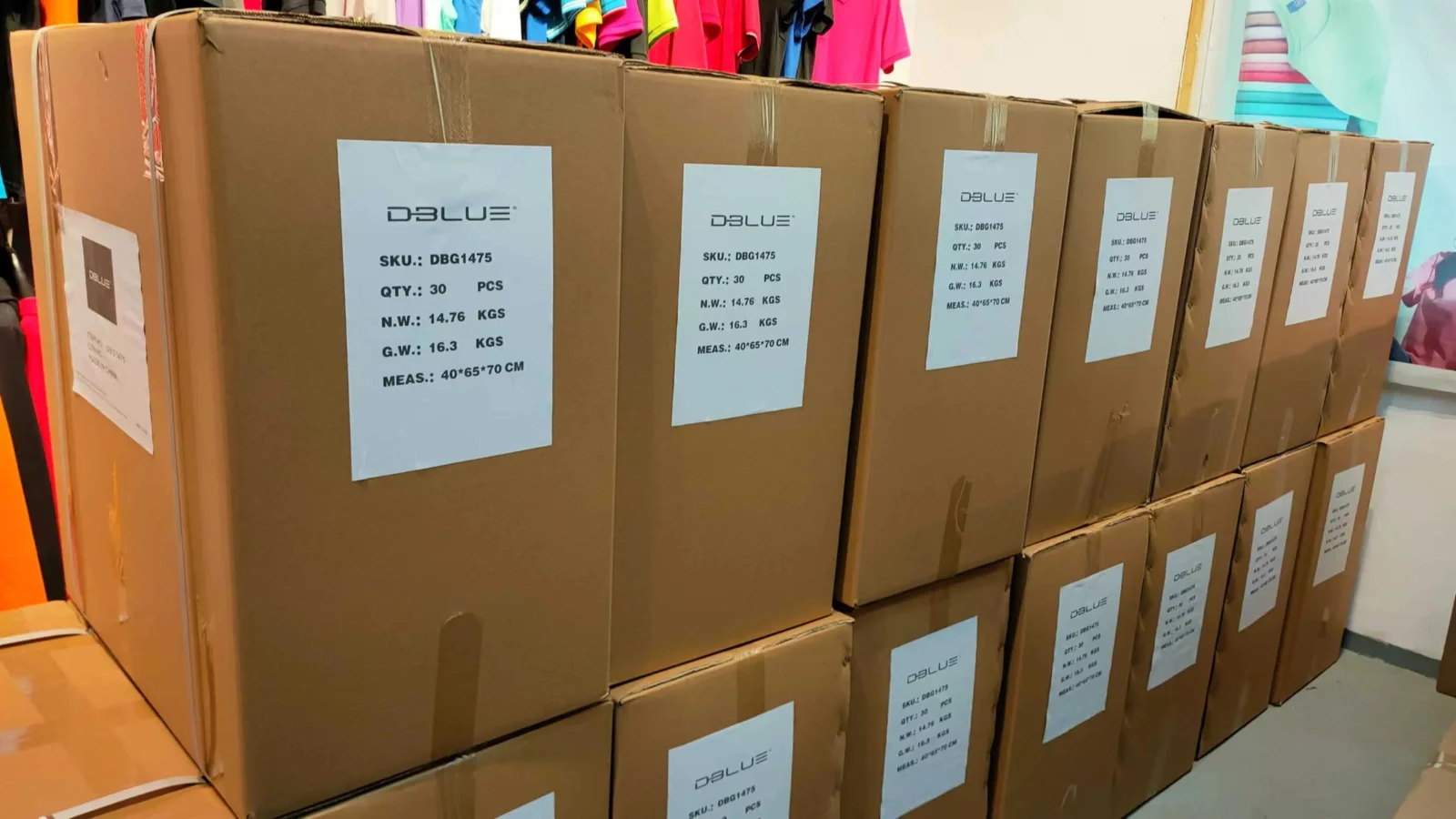
How long does a streetwear order take from tech pack to delivery?
There is no single delivery window for every custom order. Allow for development, approval, production, inspection and the complete shipping journey. Request a dated schedule for your styles and destination; a factory completion date is not a warehouse arrival date.
| Stage | Planning time | Scope and start conditions |
|---|---|---|
| Feasibility review | Within 2 business days | Initial assessment and cost estimate after receipt of a complete brief. See our tech pack support for required specifications. |
| Sample manufacture | Typically 7–15 business days | Sample preparation from confirmed requirements. Schedule courier delivery, buyer review and any repeat sample separately; see the sampling process. |
| Production readiness | Confirmed for the order | Confirm fabric and trim availability, final sample and artwork approval, required payment and the booked production slot. Identify any sourcing time separately. |
| Bulk production | Confirmed in the quotation | Cutting, sewing, agreed washing or decoration, and labelling. Record the start date, completion date and whether the estimate uses calendar or business days. |
| Pre-shipment inspection | Typically 2–3 business days | Quality checks and inspection reporting before release. Corrective work and reinspection, if required, extend this stage. |
| Shipping and delivery | Confirmed by route and service | Include booking, origin handling, main transport, clearance and final delivery where applicable. Distinguish a port-to-port estimate from delivery to your warehouse. |
Business-day estimates exclude non-working days under the agreed factory or carrier calendar. Calendar days include weekends. Ask for actual milestone dates so holidays and overlapping tasks are accounted for, and avoid adding clearance twice when it is already included in a quoted delivery service.
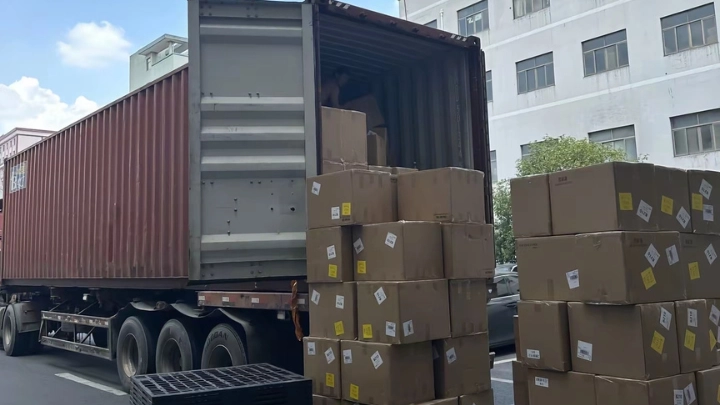
What affects bulk production lead time?
Your confirmed production window depends on the specification, available materials and capacity when the order is booked. Resolve these four areas before committing to a launch date.
Order quantity and material availability
Our standard MOQ is 50 pieces per style and colorway; check the MOQ and pricing details for your specification. Smaller runs are not automatically faster: fabric sourcing, dye lots, trim minimums and production-slot availability can determine the schedule.
Wash and print complexity
Acid washing, puff printing, embroidery and hand distressing add processing and checking stages. Drying, curing, shrinkage checks and finish approval must fit within the agreed production calendar.
Number of styles in the drop
A multi-style order needs a coordinated calendar. Confirm whether all styles must ship together or whether completed styles may be released separately. Adding a style or changing quantities can affect production and freight arrangements.
Approval and production start
Sample approval is one milestone, not the whole start condition. Confirm final specifications, artwork, trims, material readiness, required payment and the production slot in writing. The agreed start date should make clear which prerequisites remain outstanding.
What is the difference between FOB, EXW and DDP?
Incoterms® 2020 allocate delivery obligations, costs and risk between seller and buyer. They do not replace the sales contract or set payment dates. Specify the chosen rule and a precise named port or place in your order. The International Chamber of Commerce rules are the authoritative reference.
| Term | Delivery and responsibility | When to consider it |
|---|---|---|
| FOB — Free On Board | For sea or inland-waterway transport. The seller clears the goods for export and delivers them aboard the buyer-nominated vessel at the named shipment port. Risk transfers on board; the buyer arranges main carriage and destination import clearance and pays applicable import charges. | Sea shipments with a buyer-appointed forwarder and an agreed on-board handover. Specify the actual Shenzhen or Guangzhou port in the quotation. |
| EXW — Ex Works | The seller makes goods available at the named place, normally not loaded onto the collecting vehicle. The buyer arranges collection, export formalities and onward transport. Agree any loading assistance explicitly. | Buyers able to manage collection and export arrangements. Discuss FCA if the seller will handle export clearance. |
| DDP — Delivered Duty Paid | The seller is responsible for delivery to the named destination, cleared for import with applicable duties and taxes paid, ready for unloading. A freight partner may perform the work, but does not replace the seller’s contractual responsibility. | Eligible destinations where the seller can meet import requirements. Confirm the exact delivery address, scope and availability before ordering. |
EXW, FOB and DDP arrangements are agreed at quotation. For buyers in the United States, EU, Canada and Australia, confirm destination coverage and import requirements before selecting DDP. Compare the regional buyer information with your forwarder’s requirements.
When FCA is more suitable: FOB does not apply to air freight. For containerized or multimodal shipments handed to a carrier before vessel loading, discuss FCA at a named place with your forwarder. ICC explains the distinction in its FCA and FOB comparison. Confirm which arrangement is available for your order.
Agree cargo-insurance arrangements separately. FOB, EXW and DDP do not themselves require either party to purchase insurance. Compare total delivered costs on the same basis, including destination handling, applicable taxes and any separately agreed services.
Should I ship by sea or by air?
Sea freight often suits larger planned orders, while air freight can suit small shipments, urgent replenishment or priority launch stock. Compare total delivered cost rather than freight rate alone: minimum charges, carton volume, chargeable weight and destination handling can change which option is economical.
For sea shipments to Los Angeles or Long Beach, request the origin port, sailing service, booking allowance and estimated port arrival date. A port-to-port sailing estimate excludes other stages unless explicitly included. Final warehouse delivery also depends on clearance, cargo availability and onward transport.
For air shipments, distinguish express courier from air cargo and request the collection-to-delivery scope. A door-to-door estimate should identify how routine clearance is treated and what may extend the estimate, such as an inspection or missing import information. Transit times for all destinations are confirmed with the quotation.
To split an order between air and sea, identify priority styles and quantities before final packing and booking. Request separate packing lists, shipment costs and delivery milestones so the faster shipment can meet its purpose.
Where does inspection fit before shipping?
Every order is checked before factory release. Allow typically 2–3 business days for pre-shipment inspection and reporting; sorting, repairs and reinspection may extend the schedule. Confirm the release criteria in the QC and inspection process and the order agreement.
A piece-by-piece check and an AQL acceptance inspection are different activities. AQL uses a sample to assess a lot; it does not mean every garment receives every test. Where an AQL 2.5/4.0 plan is agreed, the inspection specification must identify the defect categories, sampling standard, inspection level and treatment of critical defects. Ask which checks cover every piece and which are sampled. See ASQ’s acceptance-sampling explanation.
How payment ties into release
Our stated payment split is a 30% deposit and 70% balance. Confirm the balance-payment trigger in your pro forma invoice: payment following pre-shipment inspection and payment against a bill-of-lading copy are different arrangements. Do not assume both apply. The agreed payment terms should distinguish factory release, carrier handover and transport-document release.
Confirm inspection acceptance and any required corrective action before dispatch. If a lot fails the agreed criteria, allow time for sorting, rework and reinspection before a new release date is confirmed.
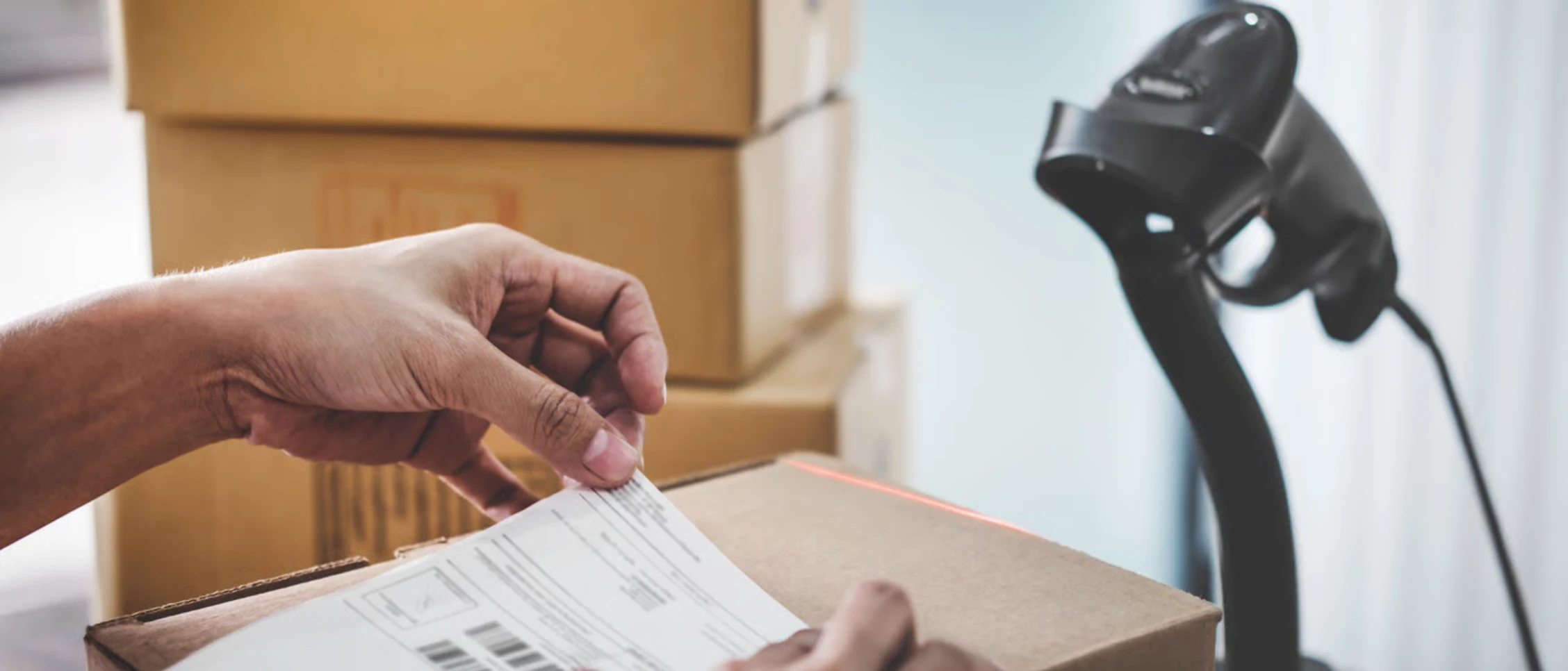
What shipping documents does a China export shipment need?
The document set depends on the goods, destination and delivery term. Confirm it with your freight forwarder or customs broker before production is complete. A typical shipment involves:
- Commercial invoice: seller and buyer details, goods description, quantities, values, currency and the agreed delivery term.
- Packing list: carton count, contents, gross and net weights, dimensions and shipment references.
- Transport document: a bill of lading or applicable sea transport document for sea freight, or an air waybill for air freight, issued through the carrier or forwarder.
- Destination-specific paperwork: origin evidence, declarations or test reports where required for the goods or customer. Confirm applicability rather than assuming every certificate is mandatory.
Garment labels and carton markings
Physical garment labels are separate from shipping paperwork. Agree fibre-content, origin, care and other destination-specific labelling requirements with the buyer before production. Confirm carton markings and retailer or warehouse receiving requirements before packing.
Record who supplies product information, who prepares each document and who handles the customs filing under the chosen term. Provide accurate descriptions and values; classification and destination requirements should be checked with the appointed broker.
How to plan a drop date around production and shipping
Start with the date stock must reach your warehouse. Work backwards using actual milestone dates and a separate contingency allowance. Keep the public launch date later than the required warehouse arrival when receiving and fulfilment preparation need time.
- Subtract the complete shipping allowance, including booking, origin handling, main transport, clearance and final delivery where these are not already included.
- Subtract inspection time and a separate allowance for possible corrective work.
- Subtract the confirmed production window and any material-preparation time not included in it.
- Subtract sample manufacture, sample delivery, buyer review and any planned revision rounds.
- Account for non-working days, holidays and production capacity. Subtract contingency time so work starts earlier, not later.
Illustrative planning example
Suppose a hypothetical project allows 3 calendar weeks for development and approval, 5 for production, 1 for inspection and release, 4 for the complete shipping journey and 2 for contingency. If these stages are sequential, the project needs to start 15 calendar weeks before the required warehouse arrival.
This example explains the calculation; it is not a FORGEMFG lead-time promise, shipment record or route quotation. Replace every allowance with your confirmed schedule, including sourcing and repeat sampling where relevant. Count overlapping stages only once.
If the required start date has passed, discuss fewer styles, a simpler finish, priority quantities by air or a revised launch date before confirming the order.
What can delay an order, and what can be done about it?
Identify dependencies before production starts, then review the schedule whenever a specification or milestone changes.
- Open approvals: resolve sample, artwork, measurements and finish comments before the agreed production start.
- Materials or payment outstanding: confirm fabric, trims, required payment and production-slot readiness; an approved sample alone does not secure every dependency.
- Failed inspection: allow time for correction and reinspection against the agreed criteria.
- Holidays and capacity: account for factory closures, peak-season booking pressure and carrier schedule changes.
- Documents and clearance: confirm importer details and complete, consistent shipment paperwork with the appointed broker.
Ask for a revised milestone schedule if any stage changes. Confirm the effect on warehouse arrival before accepting a replacement production or shipping date.
Shipping and lead time FAQ
When does bulk production lead time start?
Does sampling time include delivery and revisions?
Which shipping terms does FORGEMFG offer?
How long does shipping take to the US?
Who pays import duty under FOB or DDP?
When is payment due?
What happens if pre-shipment inspection fails?
Can I ship part of my order by air and the rest by sea?
Plan your timeline
Tell us your launch date. We will work back.
Send your tech pack or reference, quantity per style and colorway, sample status, destination postcode and required warehouse arrival date. Include your preferred shipping mode and whether you have a forwarder. We will assess the production and delivery schedule, with an initial feasibility check and cost estimate within 2 business days of receiving a complete brief.
Initial reply within 24h · GMT+8 · English support · NDAs on request