How to Approve a Garment Wash Sample Before Bulk
A buyer checklist for approving acid wash, snow wash, vintage wash and distressed garments before the factory starts bulk production.
Quick answer
Approve a garment wash sample only when the physical reference, visual range, measurements and required test scope are clear enough for the factory to repeat in bulk. A wash report is the supporting record: use it to identify the exact sample, document what was checked and give a written bulk-release instruction. Do not approve bulk from a phone photo or a general “looks good” message.
The decision a wash report should support
A wash report is not a formality between sampling and bulk production. It is the record that connects the finish you approved in your hand to the finish the factory will repeat at scale. For acid wash, snow wash, enzyme wash, pigment dye, vintage effects and distressed finishes, appearance is created by a process rather than a single fixed color. That makes the report especially important: it tells you what was tested, against which approved reference, and whether the result is ready to become the production standard.
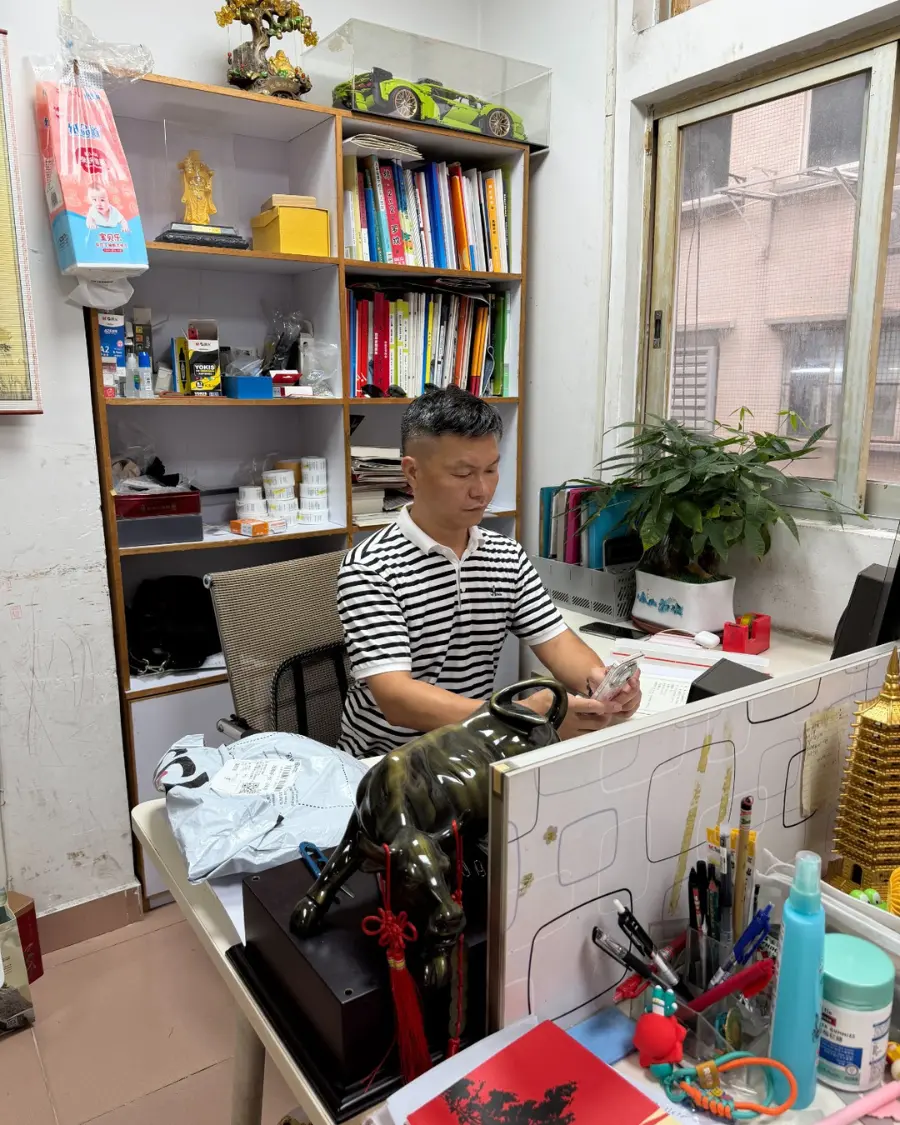
Before you approve bulk, ask a simple question: could a production team that was not present for the sample reproduce this garment using only the signed sample, tech pack and wash report? If the answer is no, the record is too vague. A useful report reduces interpretation at the moment interpretation becomes costly.
The report should not replace the approved physical sample. It should identify it clearly, document measurable results and record the visual range that is acceptable for intentionally variable finishes. Keep the signed report with the pre-production sample, not only in a chat thread.
Start with identity and the approved reference
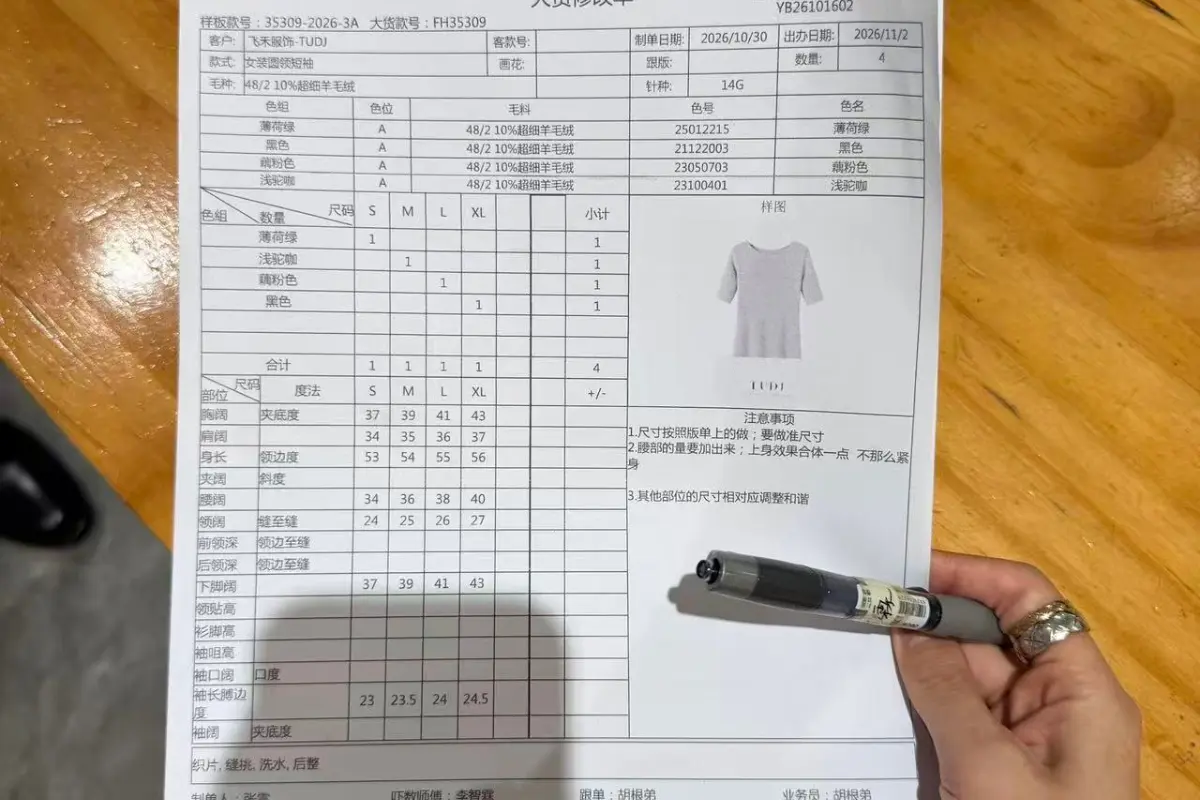
Check the order and sample identifiers first. The style code, colorway, fabric composition, fabric weight, size, wash recipe or internal wash grade, sample version and review date should all match the item on your table. A report that says “black hoodie acid wash” is not enough when several shades, fabrics or sample rounds are active.
The most useful line is the approved-reference field. It should name the sample version and show whether the comparison was made against the physical sample, a signed swatch, a shade band or a dated photo set. Screens are useful for communication, but lighting, compression and monitor settings can change a wash dramatically. Use photographs as supporting evidence, not as the only approval standard.
For a repeat order, verify the retained reference as well. Dye lots, fabric lots, detergent chemistry and machine loading can change a finish. A repeat is not automatically identical to the first run; the report should state whether the original standard is still usable and whether a new lab dip or wash-down was approved.
Read the visual result before the numbers
Washed streetwear is assessed visually first because the commercial question is visual: does the garment look like the product your customer expects? Review the garment under agreed lighting and look at the front, back, sleeves, seams, cuffs, hood, pocket and panel joins. Ask whether contrast, marbling, fade direction, streaking and edge effects match the approved range.
For acid and snow wash, variation is expected, but “variation” should not become a blanket excuse. Define what may vary and what may not. A controlled difference in marbling can be acceptable; a pale sleeve beside a dark body, a sharp chemical mark at the pocket edge or an unintended crease line normally is not. For distressed denim, verify the position, depth and strength of each distressed area, not only the overall look.
A report that uses only “pass” or “approved” gives you little protection. Ask for photographs that show the full garment and close-ups of the most sensitive areas. Where appearance is intentionally variable, ask for a simple acceptable-range panel: light, target and dark examples, all signed before bulk begins.
Check measurement and post wash change
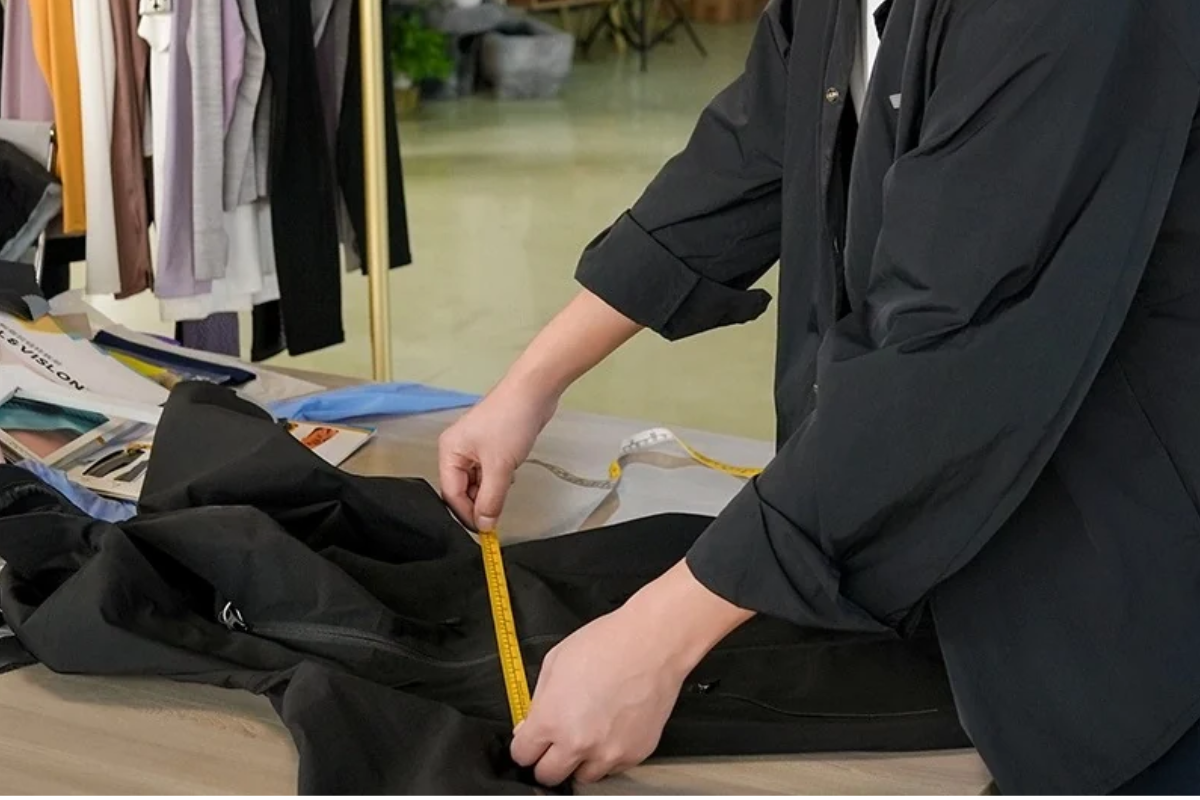
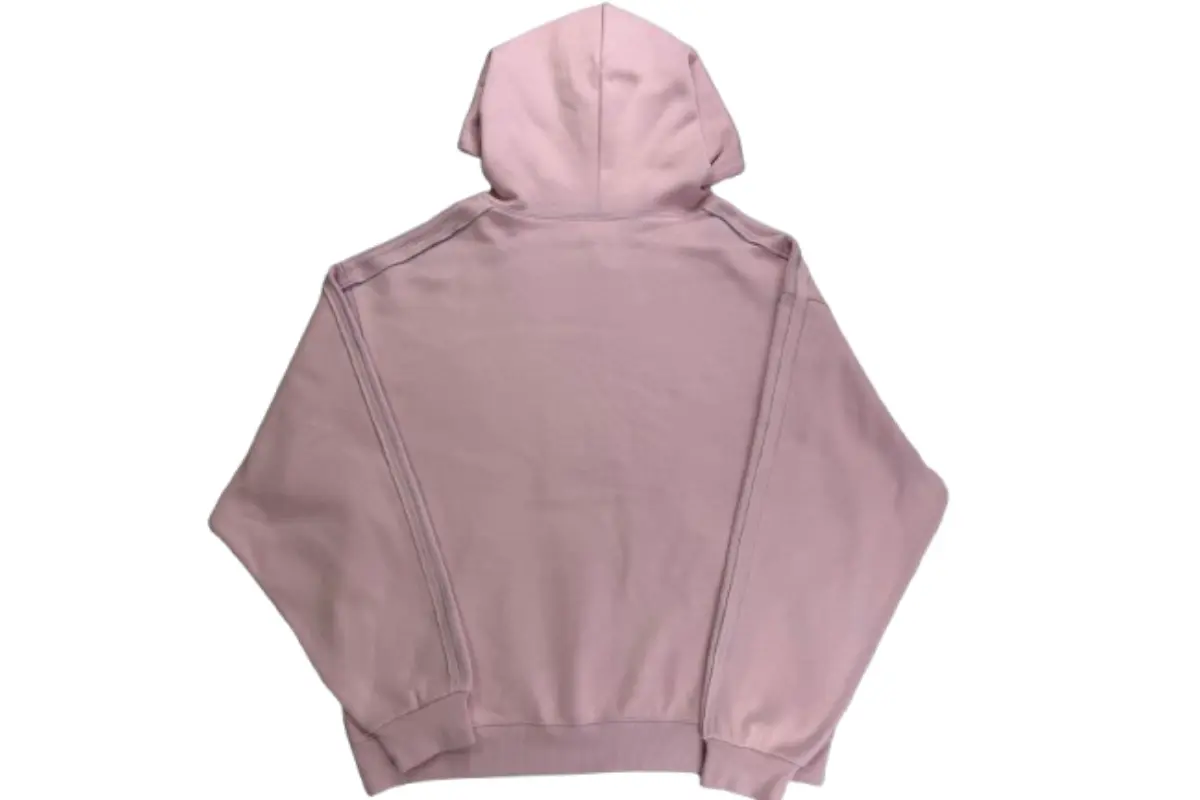
Washing can change dimensions, hand feel and balance. Compare finished-garment measurements to the tech pack using the same measurement method and stage specified for bulk. If the tech pack measures after wash, the report must do the same. If a tolerance is missing, agreeing that tolerance now is safer than arguing after production.
Pay special attention to body length, chest, sleeve length, waist, inseam, rise and leg opening. A garment can look right on a hanger and still miss its intended fit after wash. Record the size tested, the number of garments measured and whether the reported figure is an individual value, an average or a range.
Shrinkage is related but separate. If shrinkage or dimensional stability matters to the garment, ask for the test method, conditioning and acceptance criterion. A visual inspection cannot prove wash performance. This matters most when you are pairing a washed fabric with fitted silhouettes, rib trims, print placement or a graded size range.
Confirm color, durability and construction risks
Color language should be tied to a reference. If lab color measurement is used, the report should state the instrument, illuminant, viewing geometry and permitted difference. If it is not used, a physical swatch or approved sample must carry more weight. Do not treat a color reading as a substitute for visual approval on an intentionally irregular wash.
Where your market or product requires performance testing, write it into the order. Colorfastness, dry and wet crocking, pilling, seam strength, print adhesion and shrinkage are separate tests with separate methods. A wash report may flag an observation, but it is not proof that a garment will pass every required performance test.
Finally, inspect construction after the finish. Enzyme, acid, bleaching and abrasion can expose weak seams, damage labels, alter thread color and create holes near pocket edges or distress points. The report should record the checks made after washing and any rework required before the sample is released.
Common mistakes that create avoidable disputes
The first mistake is approving a wash from a phone image alone. A photo can be useful for a quick review, but it cannot reliably show the hand feel, true shade, chemical residue, abrasion level or whether the panels match under neutral light. If timing makes a physical sample difficult, ask for a live video comparison under agreed lighting and reserve final bulk approval for the signed reference whenever possible.
The second mistake is mixing comments about fit and wash in one informal approval. Separate the issues. A garment may need a body-length adjustment while its wash is approved, or it may have correct measurements but an unacceptable fade. Write each decision against the relevant sample version. The factory should be able to tell whether it is changing the pattern, the wash, both, or neither.
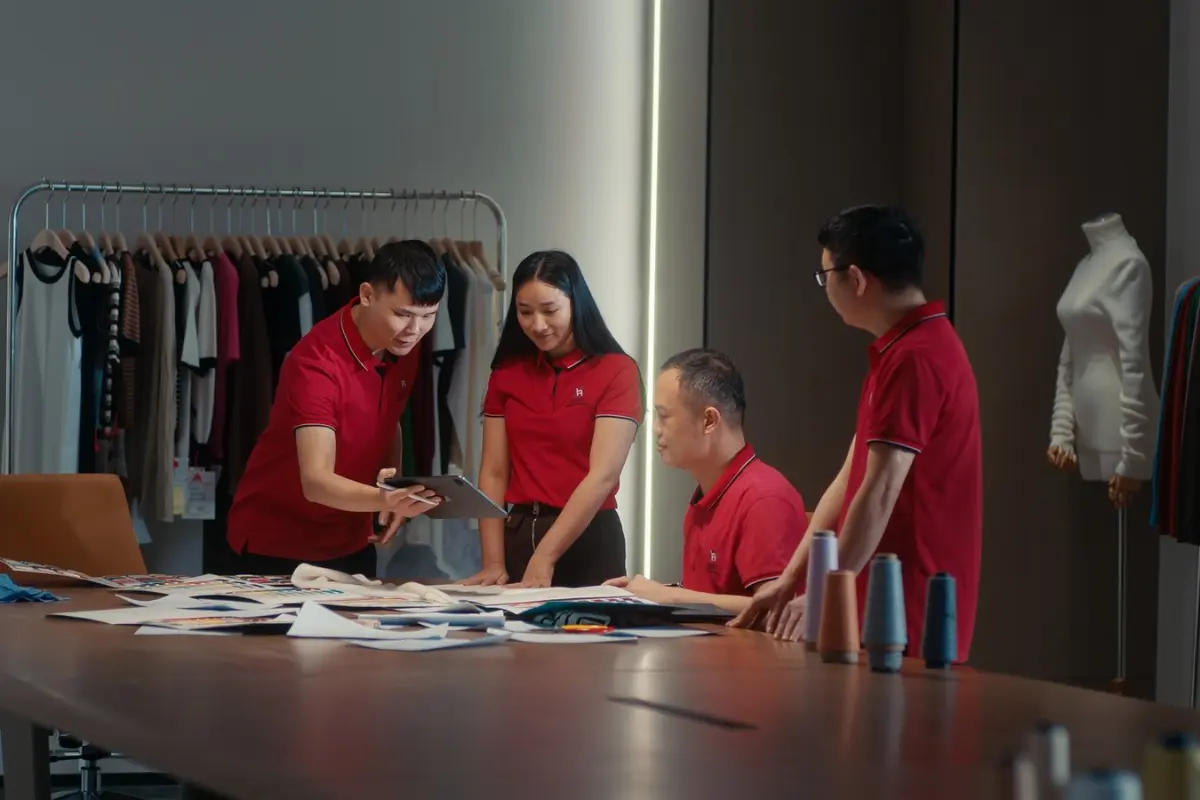
The third mistake is treating a single good sample as evidence that all bulk garments will be identical. Sampling proves a route; bulk control proves repeatability. Before production, agree who reviews the first wash batch, what photographs or reports are sent, what is held as the master reference and how any out-of-range garments are sorted or reworked. This prevents a late surprise after the wash room has completed the full lot.
The questions to send with your approval
Before you release bulk, send the factory a final short list of confirmations. Ask which sample version is being retained as the master, whether the production wash is based on the same fabric lot or a newly approved lot, whether the first bulk wash batch will be reviewed, and what records will be included in the pre-shipment inspection report. These questions are not administrative extras. They make the approval usable by the team that will cut, wash, inspect and pack the garments.
If the brand has a launch date, ask the factory to state when sample approval, material booking, bulk cutting, washing, final inspection and shipment booking must occur to protect it. A wash approval is also a production-scheduling decision. Confirming the route early gives the factory time to correct a result before the critical path becomes too tight.
Keep the final email simple but precise: “We approve sample FW26-014, washed-black, G3, report dated October 21, as the bulk visual and measurement standard subject to the attached comments.” That level of detail is easy to find months later when a reorder, inspection or claim needs to refer to the original decision.
Approve bulk with a written release
When the report is complete, do not approve bulk with a vague message such as “looks good.” Send a short written release that identifies the style, colorway, sample version, report date and approved range. State any required corrections, whether the factory may use the sample as the bulk standard, and whether you need a pre-shipment report before the balance payment or shipment release.
If the report is incomplete, pause rather than guessing. The sample stage is the least expensive point to correct a wash. Once fabric is cut and a wash room is scheduled, the cost of a vague approval rises quickly. A good factory will welcome specific comments because they become its production instructions.
- Style, colorway, fabric, size and sample-version identification match the order.
- Physical approved reference, acceptable visual range and photos are attached.
- Finished measurements and wash-stage tolerances are recorded.
- Required performance tests, inspection coverage and release conditions are agreed.
- Your written bulk approval identifies the exact sample and report.
Frequently Asked Questions
Can I approve bulk from photos of the wash sample?
Use photos to discuss the result, but approve against a physical signed sample or an agreed live comparison whenever possible. Photos do not reliably show shade, hand feel or panel matching.
What should a wash report identify?
At minimum, it should identify the style, colorway, fabric, size, sample version, approved reference, review date, visual findings, measurements and release decision.
Does an AQL result prove every garment is defect free?
No. AQL is a sampling-plan method. Agree the inspection standard, sample size, defect definitions and any every-piece checks separately in the order documents.
How much variation is acceptable in acid wash or snow wash?
The acceptable range should be agreed on the approved sample or a signed shade range. Intentional variation is not permission for unintended streaks, panel mismatch or damage.
Should I request shrinkage or colorfastness testing?
Request any performance testing that matters for your product, market or claims. The method, conditions and acceptance criteria should be stated in the quotation or purchase order.
What is the best way to release bulk production?
Send a written release naming the style, colorway, sample version and report date, plus any corrections and your requirements for pre-shipment reporting or shipment approval.