How to Negotiate Clothing MOQ: 50 vs 100 Pieces
What is genuinely flexible in a low MOQ clothing order, what is not, and how to compare a 50-piece and 100-piece quote without missing hidden costs.
Quick answer
The most effective way to negotiate a clothing MOQ is to lower the factory’s real setup burden, not simply ask it to accept fewer pieces. At 50 pieces, use one colorway, stock-compatible fabric, standard trims and a simple decoration plan. At 100 pieces, setup costs can usually be spread further, but compare like-for-like quotations before treating the lower unit price as a saving.
MOQ is a production constraint not a bargaining slogan
A 50-piece MOQ can sound like a single number, but it is really a collection of setup decisions. Fabric allocation, dye lots, pattern work, cutting, print screens, embroidery setup, wash loads, labels, packing and final inspection all have a minimum practical effort. The best negotiation does not demand that every supplier ignore those costs. It identifies which parts of the order are fixed, which can be shared and which can be simplified without damaging the product.
At FORGEMFG, the published starting point is 50 pieces per style and colorway. That distinction matters. One hoodie in three garment colors is normally 150 pieces, not 50. A wash grade can also create a separate production route. Start negotiations by writing the order structure clearly before comparing quotations.
What usually remains fixed at 50 pieces
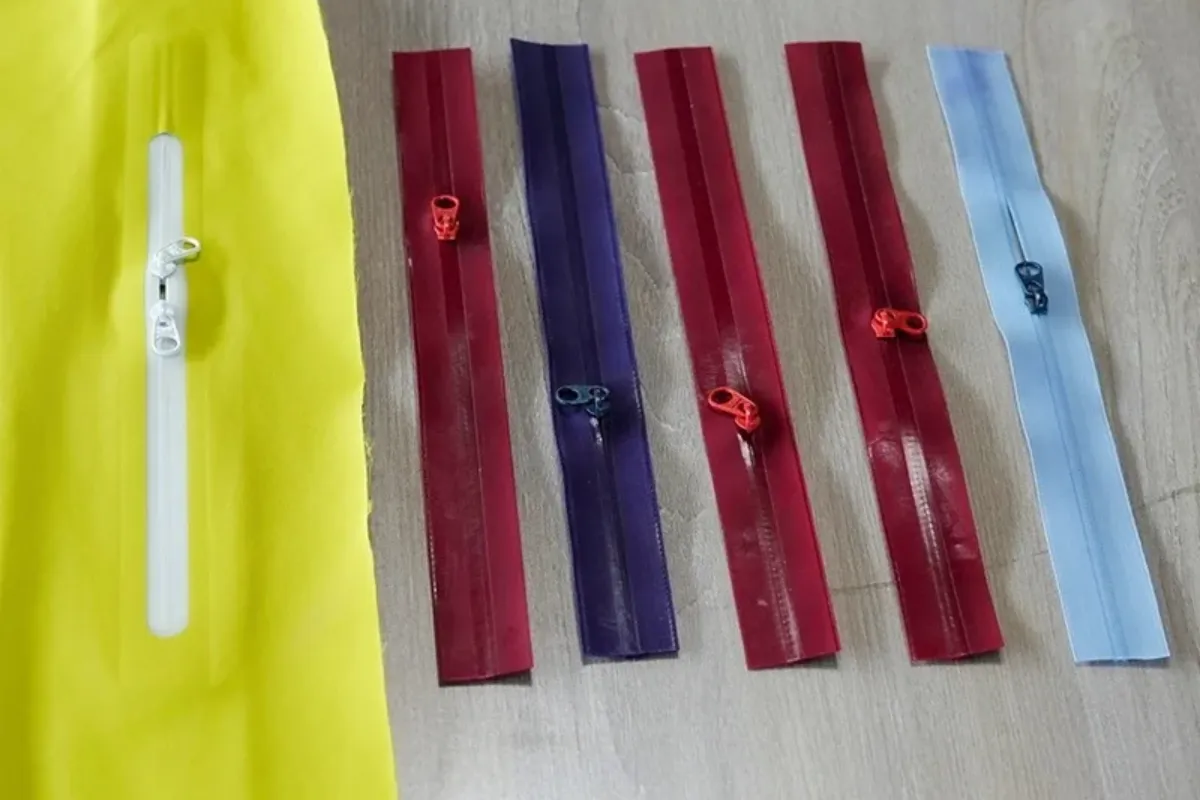
The base MOQ is least flexible where a supplier must buy or set up something only for your design. Custom fabric, specialty yarn, dyed-to-order color, molded hardware, unique zipper pulls, woven patches, custom hang tags and unusual packaging can each bring a supplier minimum. A factory may be able to sew 50 garments while the trim supplier requires more units or a separate setup charge.
Complex finishing can also set its own floor. Acid wash, multi-stage distressing, embroidery, large screen prints and special effects require machine time and controlled trials. When a process needs a dedicated setup, asking for half the quantity does not automatically halve the cost. It may simply make the unit cost impractical.
Pattern development and grading are another area to treat separately. If your technical package is incomplete, development work may be needed before sampling. Negotiate rights, deliverables and revision limits in writing, but do not assume that a factory can absorb unlimited new development into a very small order.
What can move when you are at the 50 piece floor
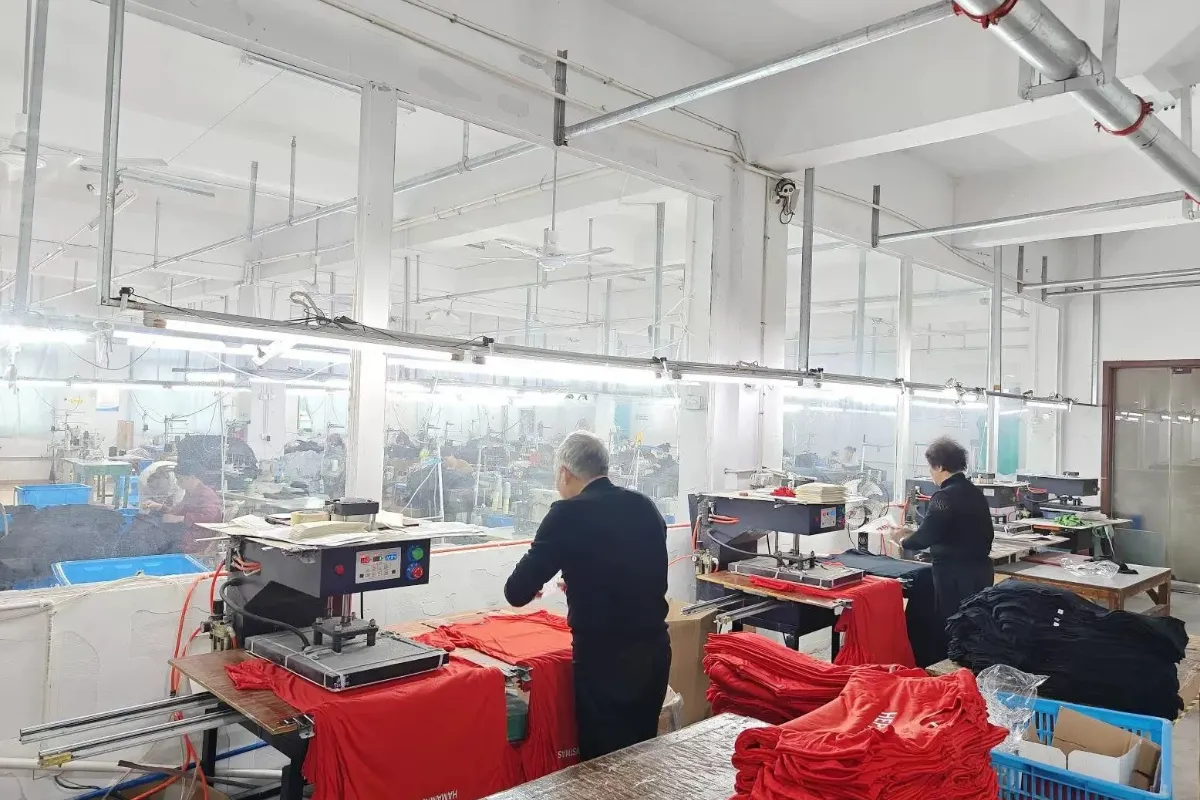
The easiest gains come from reducing variations, not from pushing the factory below its working minimum. Keep one garment colorway, one wash target and one approved fabric. Use mixed sizes within that colorway if the factory allows it. Standard trims, stock-compatible fabric and a single decoration placement often reduce both risk and price.
You can also ask for alternatives rather than a discount. Request a comparison of two fabric weights, standard versus custom labels, screen print versus DTF, or one wash grade versus another. Ask the factory to show which change affects price, timing and minimums. This turns negotiation into a design decision you can use.
For a new brand, a phased plan can work well. Order one colorway at the 50-piece minimum, document the approved sample and process, then schedule a repeat or second colorway after demand is proven. Be honest about the phased plan; it allows the supplier to quote the first run accurately instead of pricing against a volume that may never arrive.

Why 100 pieces changes the conversation
At 100 pieces per style or colorway, setup costs are spread across more units. The factory can usually plan cutting, printing, washing and inspection more efficiently. That does not mean every component instantly becomes cheaper: a custom zip or fabric mill may still have its own minimum. But 100 pieces often creates room for a better unit cost, more stable process control and a less fragile production schedule.
The useful question is not “what is your price at 100?” Ask for an itemized comparison: what changes at 50, 100, 200 and 500 pieces; which components remain fixed; which process assumptions change; and whether the quotation uses the same fabric, finish, QC coverage and payment terms. A low price based on a different fabric or less inspection is not a true quantity break.
At this level, you may also be able to negotiate practical services: a retained approved sample, clearer size-ratio planning, consolidated packing, repeat-order terms or a credit of some development cost against the first bulk order. These are often more valuable than a small reduction in the headline unit price.
Ask the questions that reveal a real quote
A good quotation should name the garment, fabric composition and weight, construction, decorations, trims, labeling, packaging, quantity by size and colorway, sample cost, bulk unit price, currency, delivery term, payment schedule, quality scope and lead-time start point. If one of these is blank, the comparison is incomplete.
Separate manufacturing price from freight, duty and third-party testing. FOB, EXW and DDP can look similar until you understand who owns the shipment, customs process and import costs. If a quote says “shipping included,” ask which shipping method, destination, volumetric assumption and duty treatment are included.
Avoid negotiating by sending a competitor’s number without matching the specification. A factory cannot responsibly confirm a price if it does not know whether the comparison uses the same GSM, wash, print coverage, size range, labels or inspection plan. Specificity gives you leverage because it exposes what is actually being traded.
How to protect margin without cutting the wrong corner
A low first-run quantity is often a sensible test, but it needs a retail plan. Work backward from the landed cost rather than the factory unit price. Include sample development, freight, duty, local delivery, packing, content creation, payment fees, returns and the inventory you may need for size exchanges. A small saving on a garment can disappear if the order is late, the fit is wrong or the finish cannot be sold at full price.
Do not remove quality controls to reach a target unit cost. Skipping a signed sample, fabric check or final inspection may look inexpensive until a problem reaches your warehouse. Instead, simplify the specification first: fewer colorways, fewer print locations, standard compatible trims and a design that uses one controlled finish well. Buyers usually remember a coherent first drop more than they remember how many options it offered.
Ask whether the factory can retain production files, approved samples and artwork setup for a repeat order. This does not guarantee future price or material availability, but it helps you understand what work can be reused. Repeatability is the commercial benefit you are trying to earn with a well-managed first MOQ, not merely a lower number on the initial purchase order.
A useful way to compare two factory offers
Put both offers into the same one-page comparison before deciding. List the garment specification, quantity by color and size, fabric, wash, decoration, labels, packaging, sample fee, bulk price, delivery term, estimated lead time, inspection scope and payment terms. Then mark every line that is not clearly equivalent. This exposes the common situation where one quotation looks cheaper because it omits development, freight, testing, packing or a required component.
Ask each supplier to confirm the assumptions in writing. If a supplier cannot quote a requested feature at 50 pieces, that is useful information, not a failure. It may mean that your first run should use a more standard component, or that 100 pieces is the point where the intended product becomes commercially sensible. The purpose of comparison is to choose a workable production plan, not to force every bidder into the same answer.
Once you choose a supplier, keep the signed quotation and approved sample together. The same file set becomes the baseline for your next price discussion. You will negotiate more effectively once both sides can distinguish a true cost change from a change in the specification.
A practical negotiation sequence
Send a complete enough brief for feasibility: reference images or a tech pack, quantity by colorway and size, destination, target date, fabric preference, decoration and wash notes. Ask the factory to flag any component whose minimum is above the garment MOQ. Then choose the least risky configuration for your first sample.
After sample approval, negotiate only against the approved specification. If you change fabric, print size, wash depth or hardware while discussing price, you restart the cost conversation. Lock one variable at a time and record the effect. This is slower in the moment and far faster than reconciling conflicting WhatsApp messages later.
The goal is not to win a 50-piece order by forcing a supplier to lose money. The goal is to build a repeatable program in which the first drop proves demand, the factory has a clear standard, and the next order benefits from the work already completed.
- Confirm whether MOQ is per style, colorway, wash grade, fabric and decoration route.
- Request comparable prices at 50, 100, 200 and 500 pieces with identical specifications.
- Ask which costs are one-time, which are refundable or creditable, and which are supplier minimums.
- Lock the approved sample before negotiating a final bulk price.
- Record payment, inspection, freight and delivery terms in the quotation.
Frequently Asked Questions
Is the 50 piece MOQ for the whole collection?
No. The stated starting MOQ is 50 pieces per style and colorway. A style in three colorways normally requires at least 150 pieces in total.
Can I mix sizes within the minimum?
Yes, size splits can usually be mixed within one qualifying colorway. Confirm the size ratio, grading and any size-specific material requirements in your quotation.
Will 100 pieces always be cheaper than 50?
Usually the unit cost improves because setup is spread further, but the result depends on fabric, wash, decoration, trims and whether the specification remains identical.
Can custom fabric or hardware have a higher MOQ?
Yes. The garment factory minimum and the fabric mill or trim supplier minimum are separate. Ask which components have their own minimum before approving a design.
What should I compare between two quotations?
Compare matching specifications, quantities, sample charges, quality scope, payment terms, delivery terms, freight assumptions and what is included or excluded.
Can sample or development fees be credited to a bulk order?
Some projects can credit agreed development costs against a first bulk order. Confirm the amount, trigger, timing and exclusions in writing before paying.