T-Shirts — Embroidered
Custom Embroidered T-Shirts
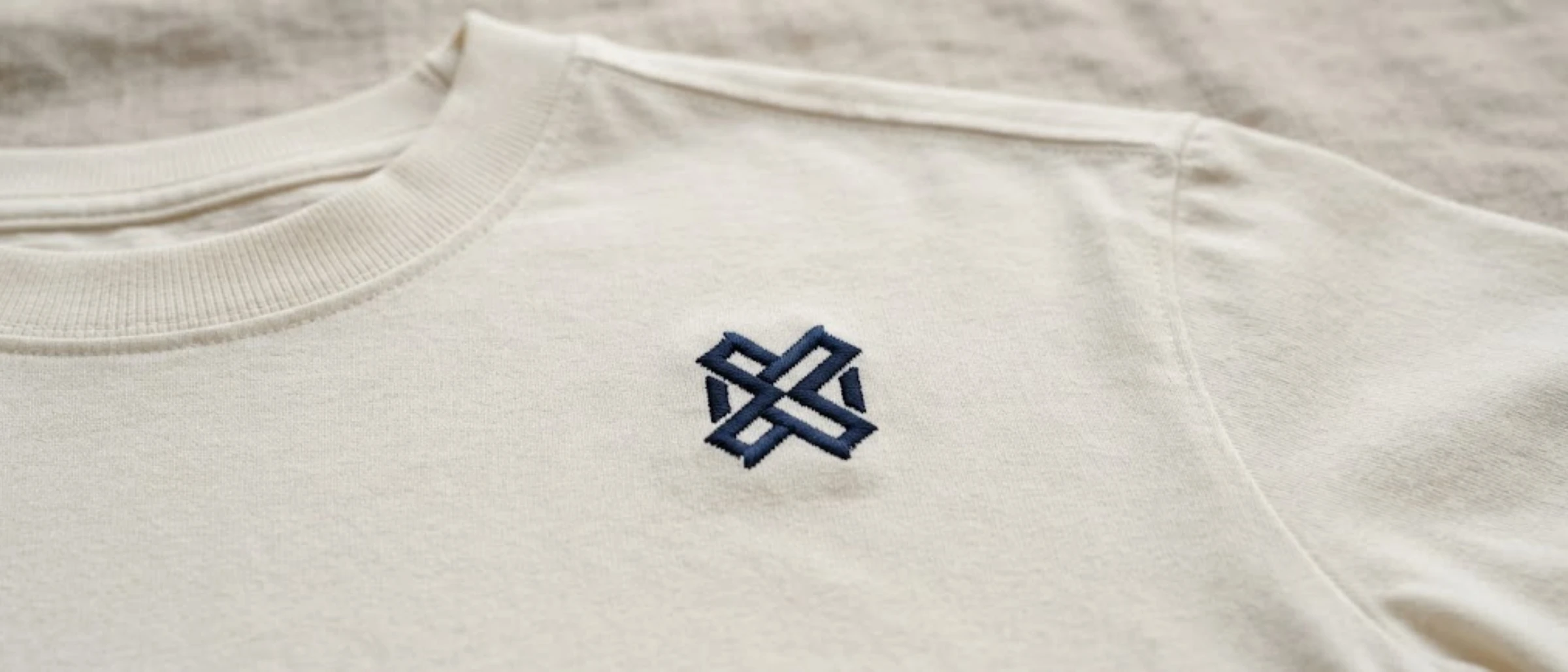
FORGEMFG supplies custom embroidered T-shirts for streetwear brands through OEM/ODM production in Dongguan, China. We coordinate the garment and embroidery in one order, including chest logos, back designs and sleeve placements. Fabric, fit and artwork are reviewed together before a physical sample is approved for bulk production.
Explore garment weights, fit, placement, private labeling, minimum orders and quotation requirements below. OEM production follows your approved specifications; ODM development starts from an agreed garment design. For digitizing, thread choices and production details, see our embroidery process.
Why order the blank and the embroidery together
Coordinating garment production and embroidery under one supplier helps align fabric, fit and decoration before sampling. The approved specification records logo position, seam clearance, stabilizer and backing requirements alongside garment measurements. Your sample approval covers the finished piece; production checks still take place at the relevant manufacturing stages. Whether an order uses custom cut-and-sew garments or available blanks is confirmed in the quotation.
Blank weight options
Starting points — confirmed per quoteThese are the general weight categories most embroidered tee orders fall into. Exact fabric composition, GSM, and fit are confirmed against your tech pack or reference garment during sampling.
Lightweight
Everyday tee weight — drapes softly, suits warm-climate drops and higher-volume basics.
~140–170 GSM combed cottonMidweight
A balanced option for logo tees; backing and stitch density are reviewed to control puckering and stiffness.
~180–220 GSM combed cottonHeavyweight
A more structured hand-feel for streetwear tees. Larger or denser embroidery still requires a fabric and backing trial.
~220–260 GSM combed cottonFit and sizing
Fit is specified separately from weight — a lightweight fabric can be cut regular or boxy just as easily as a heavyweight one. Regular fit follows a standard tee block with a moderate shoulder and body width; boxy or oversized fit uses a dropped shoulder seam and wider body, which is common on streetwear graphic tees since it gives a large back or chest design more visual room. Both fits work with embroidery — the main thing that changes with an oversized block is that a chest logo sits slightly differently relative to the wider shoulder line, which is worth checking on the fit sample rather than assuming it will land the same as on a regular-fit block.
Size range, grading, and measurement tolerances are confirmed against your tech pack or a reference garment during sampling. If you don't have a finished tech pack yet, our tech pack support can help develop one from a sketch, reference garment, or rough spec sheet — this is worth sorting out before the first sample rather than after, since a mid-run fit change can mean redoing both the pattern and the embroidery placement.
Placement and customization
| Placement | Typical use |
|---|---|
| Left chest | Common compact logo position; stitch count depends on artwork size and fill. |
| Center chest | Larger single-position branding, often combined with a smaller back print. |
| Full back | Larger artwork area; dimensions, fill density and stitches determine production time. |
| Sleeve | Smaller accent placement, commonly paired with a chest logo. |
| Multiple placements | Any combination above — each additional placement adds its own hooping and stitch time. |
Send placement dimensions and distances from garment seams, not just a visual mockup. Available thread colors, fine lettering, maximum design area, backing comfort and any hot-fix accents are reviewed against the artwork and fabric. These limits depend on the design and production setup; see embroidery capabilities and approve the result on a finished garment sample.
How pricing scales
Structure, not a price listEmbroidery cost depends on design dimensions, stitch count, stitch type, placements, quantity and production setup. Color changes can affect runtime, but color count alone does not determine stitch count. These examples show how artwork complexity can affect cost:
Small, simple logos
A compact wordmark or simple icon with limited fill can require less machine time, subject to digitizing and lettering detail.
- Single placement
- Compact design dimensions
- Minimal fill area
Standard branded logo
A logo with moderate fill and detail. The stitch estimate is based on the actual artwork and approved dimensions.
- 1–2 placements
- Moderate design dimensions
- Moderate fill area
Large or dense designs
Large artwork, dense fill or several placements can increase machine and handling time, even with a single thread color.
- Full back or multiple placements
- Higher stitch or handling time
- Dense stitch fill
We quote from your artwork and garment specification rather than a universal per-logo rate. Request an itemized quote covering the garment, embroidery, digitizing or setup, labels, packaging, sampling and freight, with inclusions stated clearly. Smaller artwork, less filled area or fewer placements may reduce cost. Fewer colors may reduce color-change time without reducing stitches. Sample charges, revisions and repeat-order setup terms are agreed before production; see MOQ and pricing.
Labeling and packaging
Private-label details are handled alongside the embroidery order rather than as a separate process. Custom neck labels (woven or printed), care labels with your required fiber content and origin wording, and embroidered or printed size tabs are all set up during the tech pack stage. Standard finishing is individual poly bagging with a hang tag if supplied; folding style and carton packing (flat-pack vs. hanging) are confirmed as part of the quote since they affect carton count and freight volume.
If your embroidered design sits close to the neckline, mention that during sampling — label placement and stitch backing near the collar are checked together so the two don't compete for the same panel space.
Care instructions
Wash care must match the complete garment: fabric, embroidery thread, backing and any additional print or trim. Washing cold and inside-out and drying on low heat or a line are possible starting recommendations, not a tested guarantee for every design. Final care-label wording is agreed for the selected materials during sampling. If your specification requires shrinkage, colorfastness or repeated-wash checks, agree the test method and acceptance criteria before bulk production.
How ordering works
Inquiry to shipped orderQuote & feasibility
Send artwork, dimensions, garment specs, quantity and destination for feasibility review and an itemized quotation.
Sample
A physical sample is produced for approval. The indicative sampling window is 7–15 business days; its start date and revision terms are agreed in the quote.
Bulk production
After sample approval, bulk has a 50-piece minimum per style/colorway. The indicative 25–35-day window and calendar/business-day basis are confirmed in the quote.
QC & shipping
Garment checks and final lot acceptance follow the agreed QC plan. Shipping terms, named location and freight responsibilities are confirmed before dispatch.
Does your artwork need photographic detail?
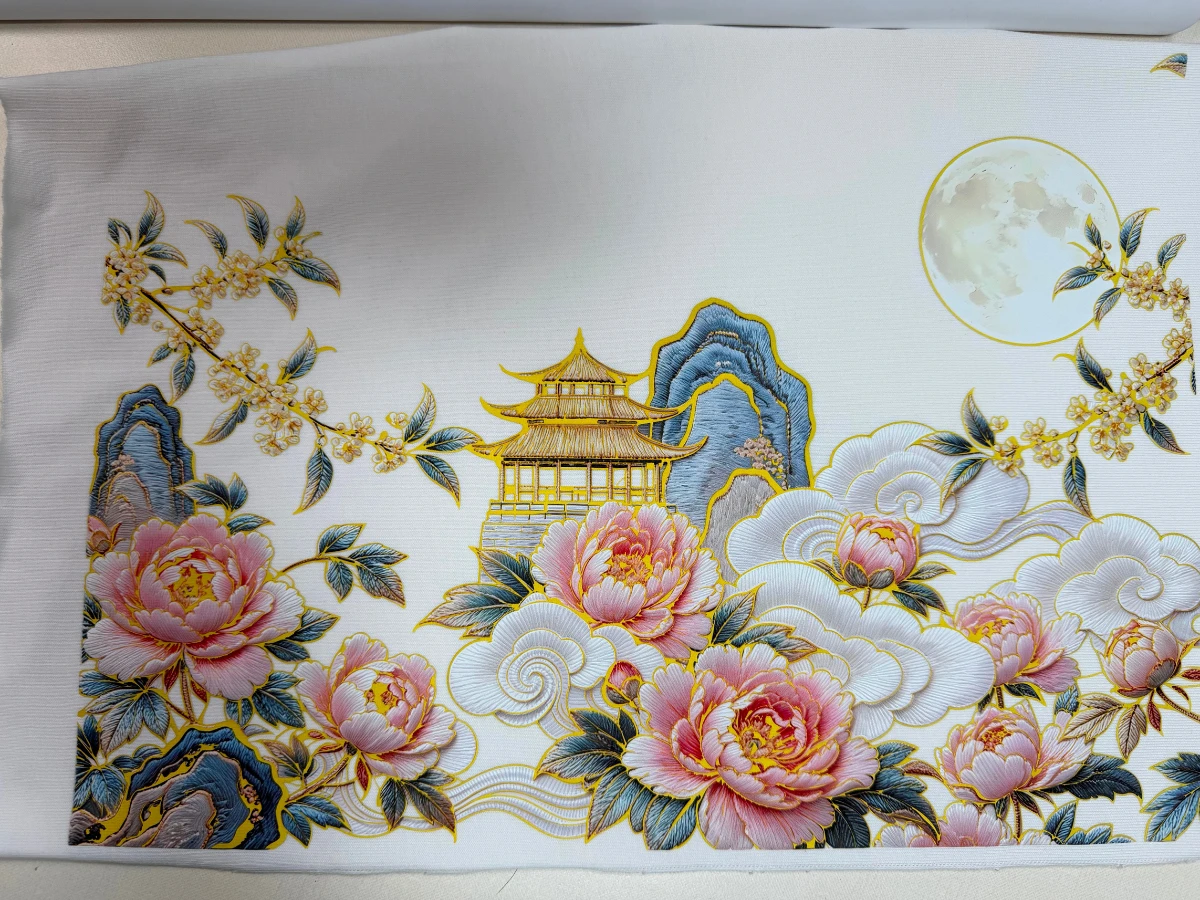
Embroidery can suggest shading, but subtle gradients and photographic detail may need simplification during digitizing. Digital printing is often a better match for that artwork. The applicable MOQ, fabric compatibility and sampling requirements are quoted separately.
Frequently asked questions
What's the minimum order for embroidered t-shirts?
Can I use my own blank t-shirts, or do you supply the blanks?
How many thread colors can my logo use?
What if my design has a photo or gradient in it?
How long from order to shipment?
Can rhinestone or other trims be added to an embroidered design?
Do you offer private label neck labels and custom packaging?
What payment and shipping terms apply?
Ready when you are
Have an embroidered tee design? Get a stitch-count quote.
Send artwork, design dimensions, garment weight and fit, size breakdown, quantity, destination and required delivery date for a feasibility review and itemized quote.
Reply within 24h · GMT+8 · English OK