Puff Printing
Custom Puff Printing Process for Streetwear Manufacturing
Puff printing is a screen-printing technique that uses a heat-activated ink system to create a raised, textured surface. During curing, the ink expands above the fabric. The result depends on the ink formulation, printed deposit, artwork and fabric; bold lettering and simple graphics are generally easier to reproduce than fine detail.
Explore puff printing for custom streetwear with FORGEMFG in Dongguan, China. This guide explains a plastisol-based workflow, fabric considerations and sample approval. Water-based puff systems also exist; confirm the proposed ink system for your order. Send the artwork, garment specification and quantity for a feasibility review before sampling.
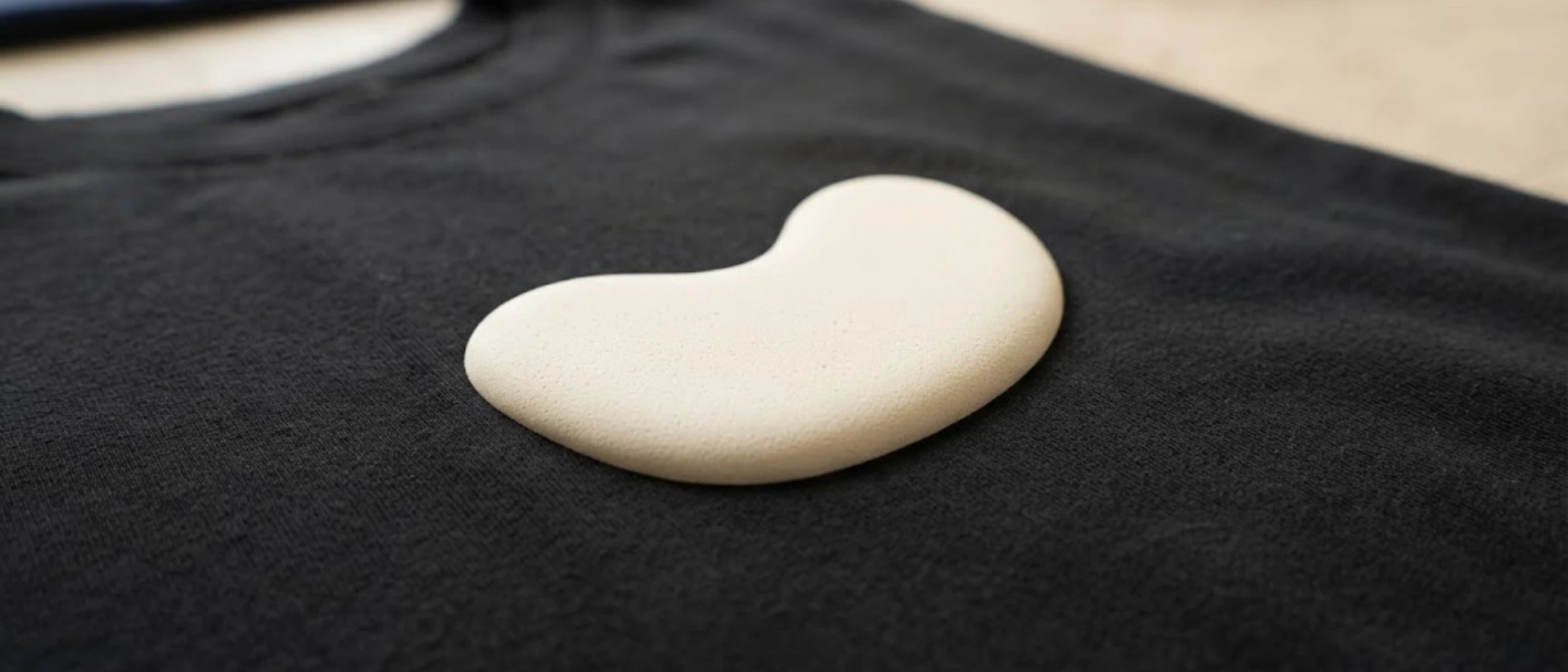
How the puff effect is created
Process · 3 steps-
 01
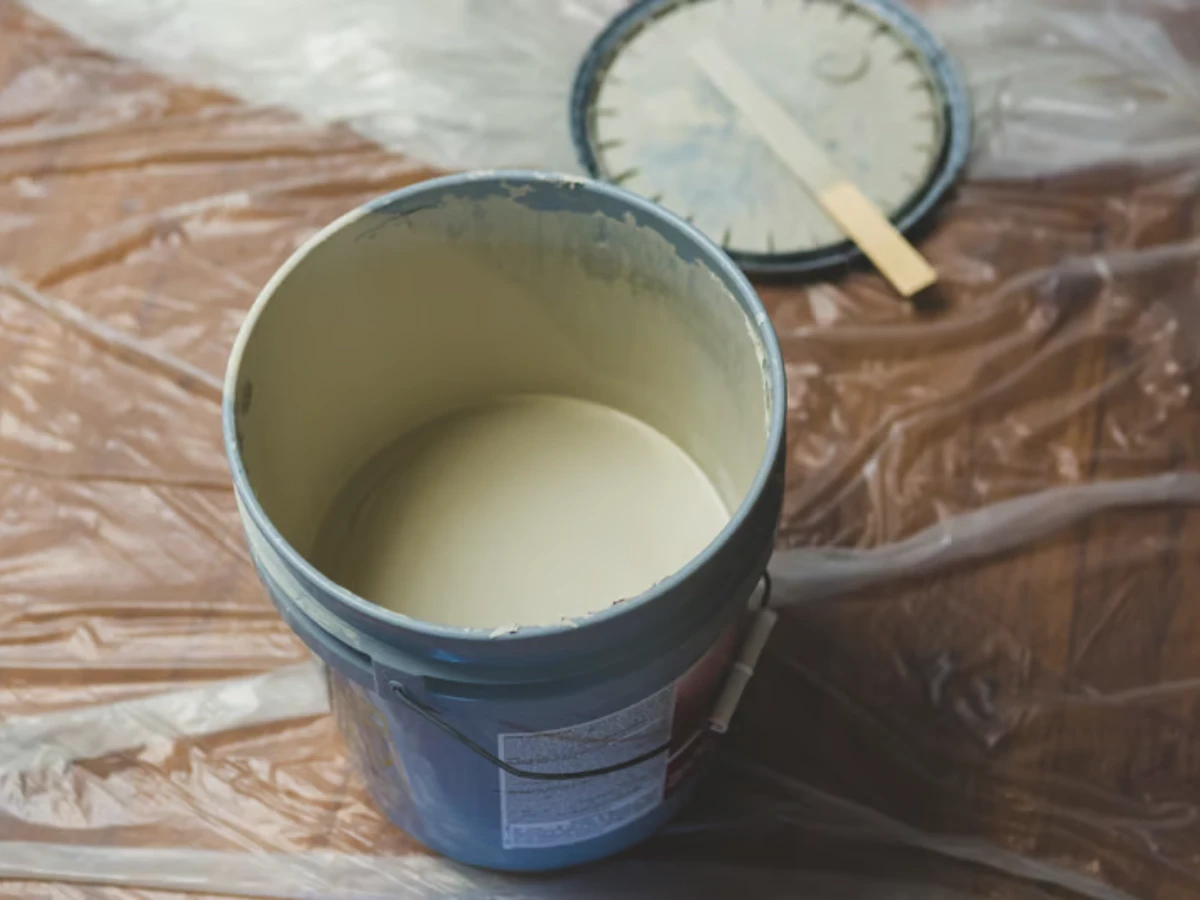
01Mix the puff ink
For an additive-based plastisol system, combine a compatible ink and puff additive at the supplier’s recommended ratio. Some systems use a ready-made puff base. The recipe and ink deposit affect expansion, texture and shade; approve the cured result on the selected fabric.
Ink-specific formulation -
 02
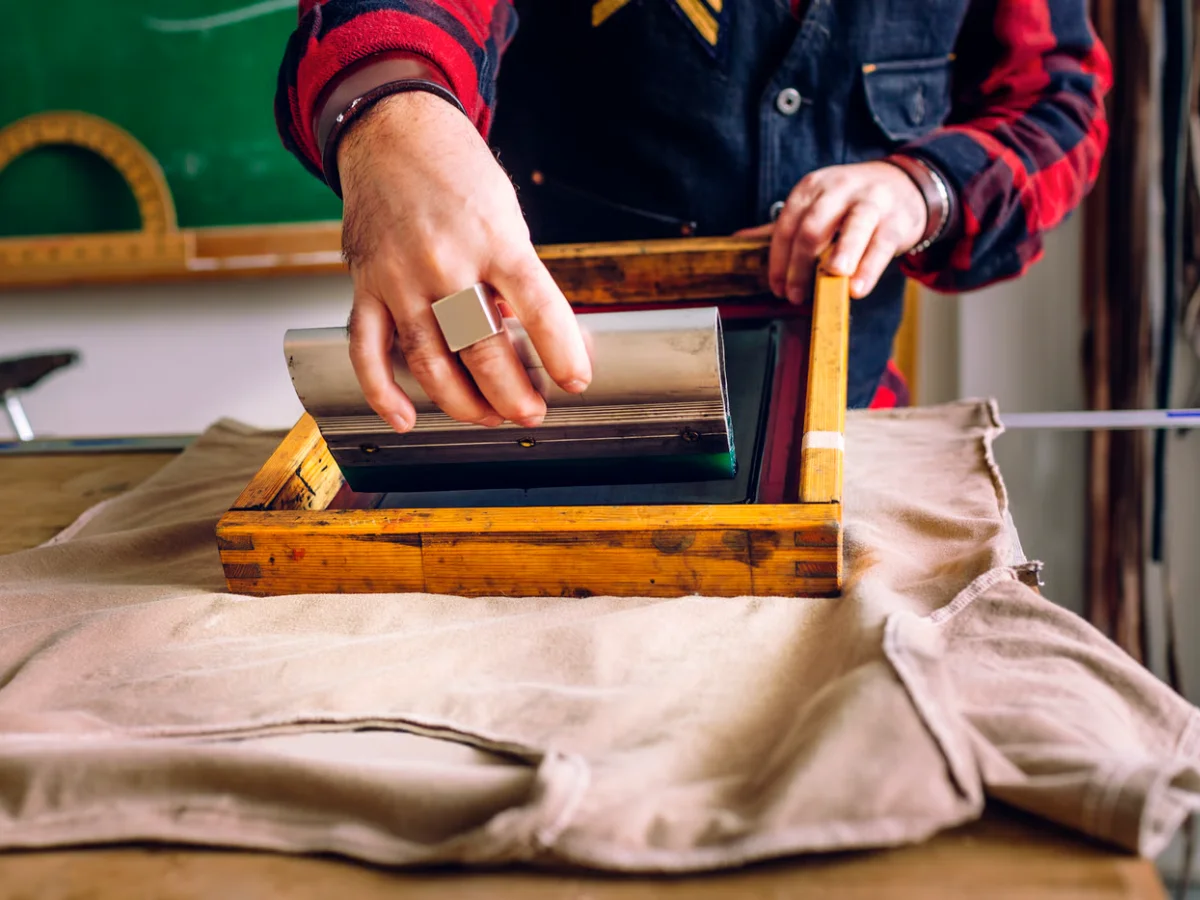
02Print & flash as needed
Screen-print the design onto a supported, even garment surface. The number of passes and any underbase depend on color, coverage and ink system. Flash between layers only where the approved construction requires it; a base color plus clear puff is one option, not a universal method.
Layers set per artwork -
 03
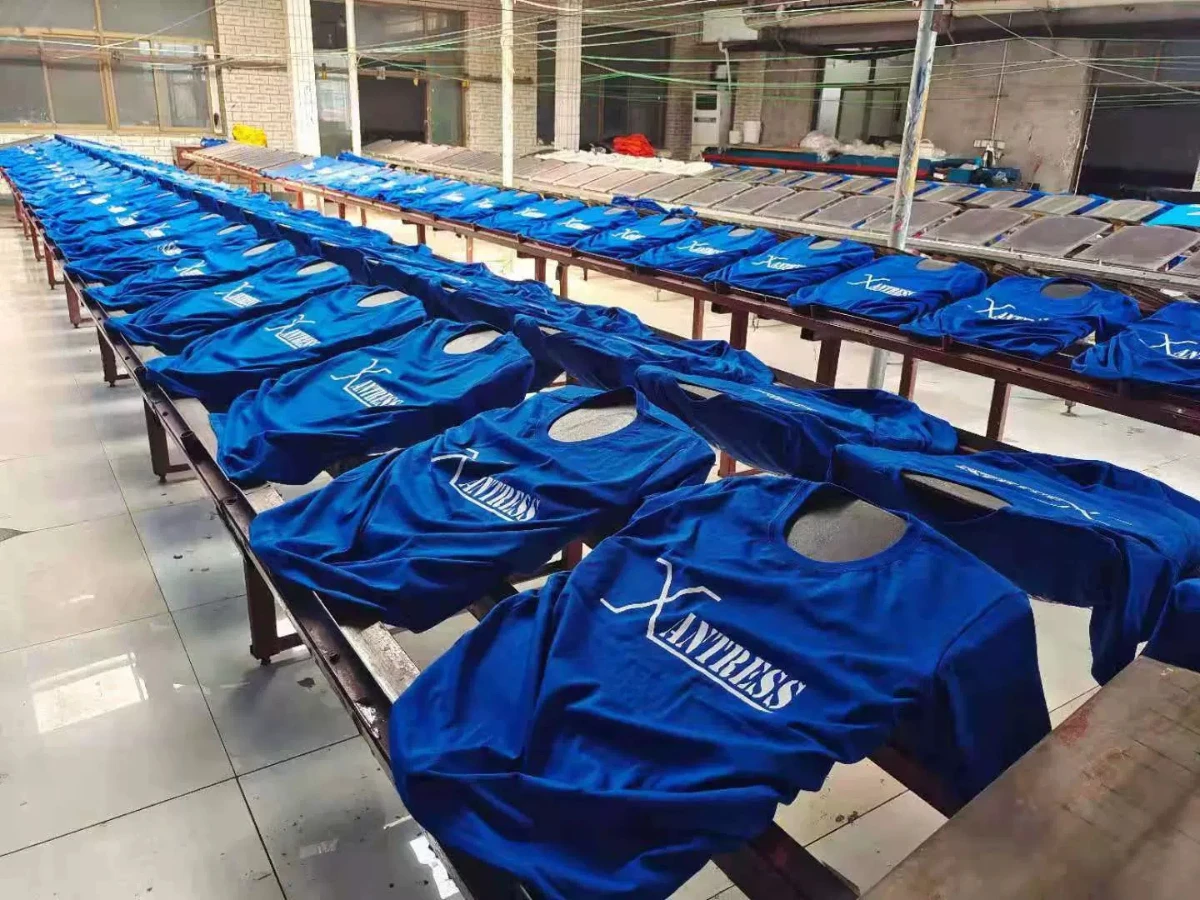
03Cure & verify the finish
Follow the selected ink’s technical data sheet for temperature and dwell time. Check the ink film, not just the dryer setting. Expansion alone does not prove full cure; assess the sample’s finish, adhesion and wash performance before approving the bulk specification.
Appearance + cure checks
Puff finish variants
Options to confirm by sampling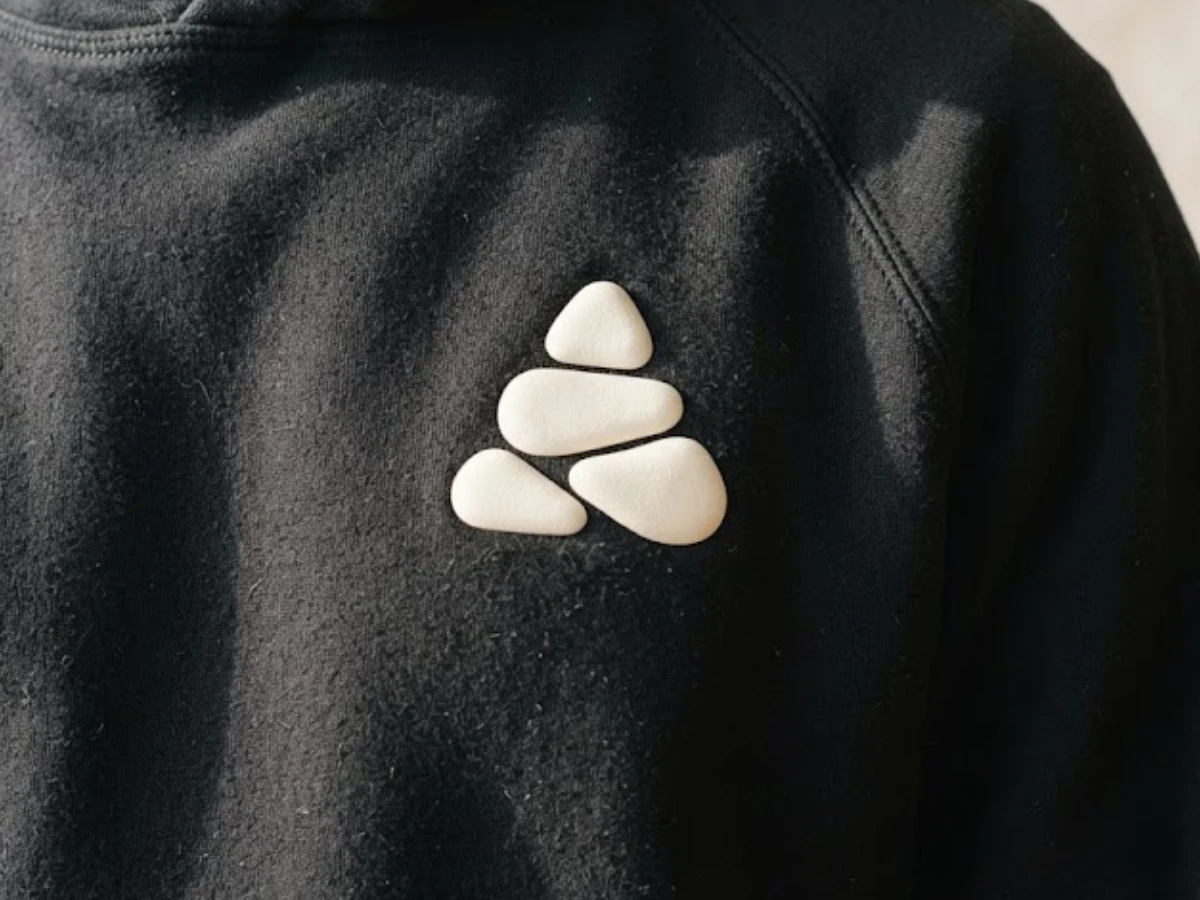
Standard puff
A single-color raised print can be produced with a compatible puff ink or base. Expansion may lighten the apparent shade, so assess color after curing rather than from wet ink or an on-screen reference.
Puff + metallic or glitter
Selected specialty inks can be combined with puff for a reflective finish. Compatibility, layer order and curing must be sampled together. Availability and the number of print passes are confirmed for each design.
Puff with a tested underbase
An underbase may help achieve the required appearance on dark garments. Discharge is a separate option for compatible fabrics and dyes, not a substitute for every water-based underbase. Test the full construction before approval.
Quotation depends on garment quantity, print area, colors, placements, setup and the approved layer sequence. Extra finishes or sample revisions can change cost and lead time; request a design-specific breakdown.
Design limitations to plan around
What needs sample approval- Fine lines and small text — thin strokes and tiny letterforms can lose definition as ink expands. Provide artwork at its final print size; minimum line width and text size depend on the ink, fabric and approved sample.
- Tightly packed detail — small gaps may close during expansion. Review spacing at actual size and approve the cured sample rather than relying on a digital mockup.
- Placement over seams or zippers — raised construction details interrupt the supported printing surface, screen clearance and ink deposit. Specify placement dimensions and confirm a usable flat print area.
- Textured or stretch fabrics — surface texture, fiber content and stretch affect print behavior. Supply the composition, fabric weight and finish; cotton blends and synthetics require their own compatibility checks.
- Large solid coverage — large deposits can change hand feel and distort lightweight fabric. Maximum area, deposit and cure settings must be assessed together; a universal print-size limit would be misleading.
Where puff printing gets used
T-shirt chest and back graphics, hoodie fronts and other smooth garment panels are common applications. Cotton jersey and sweatshirt fabrics are useful starting points; polyester blends need checks for dye migration and heat sensitivity. Confirm whether printing takes place before or after any garment wash, and test the complete finishing sequence. Explore garment options on our custom puff-print T-shirts page.
Frequently asked questions
What artwork is needed for a puff-printing quote?
What temperature and number of passes does puff printing require?
Can puff printing match a Pantone color or include metallic ink?
How durable is puff printing, and how should it be washed?
What should be checked before bulk production?
What are the MOQ, sample timing and quote requirements?
Technical references: Avient Flexipuff technical bulletin, Avient discharge guidance and Matsui special-effect inks. These explain ink-system considerations, not FORGEMFG’s test results.
Ready when you are
Have a logo you want raised? Start with a quote.
Send your artwork, print size, garment details and quantities. Request an artwork feasibility review and itemized quote before sample payment. Review timing is confirmed once the brief is complete.
Dongguan · GMT+8 · English-language enquiries · Ask about an NDA